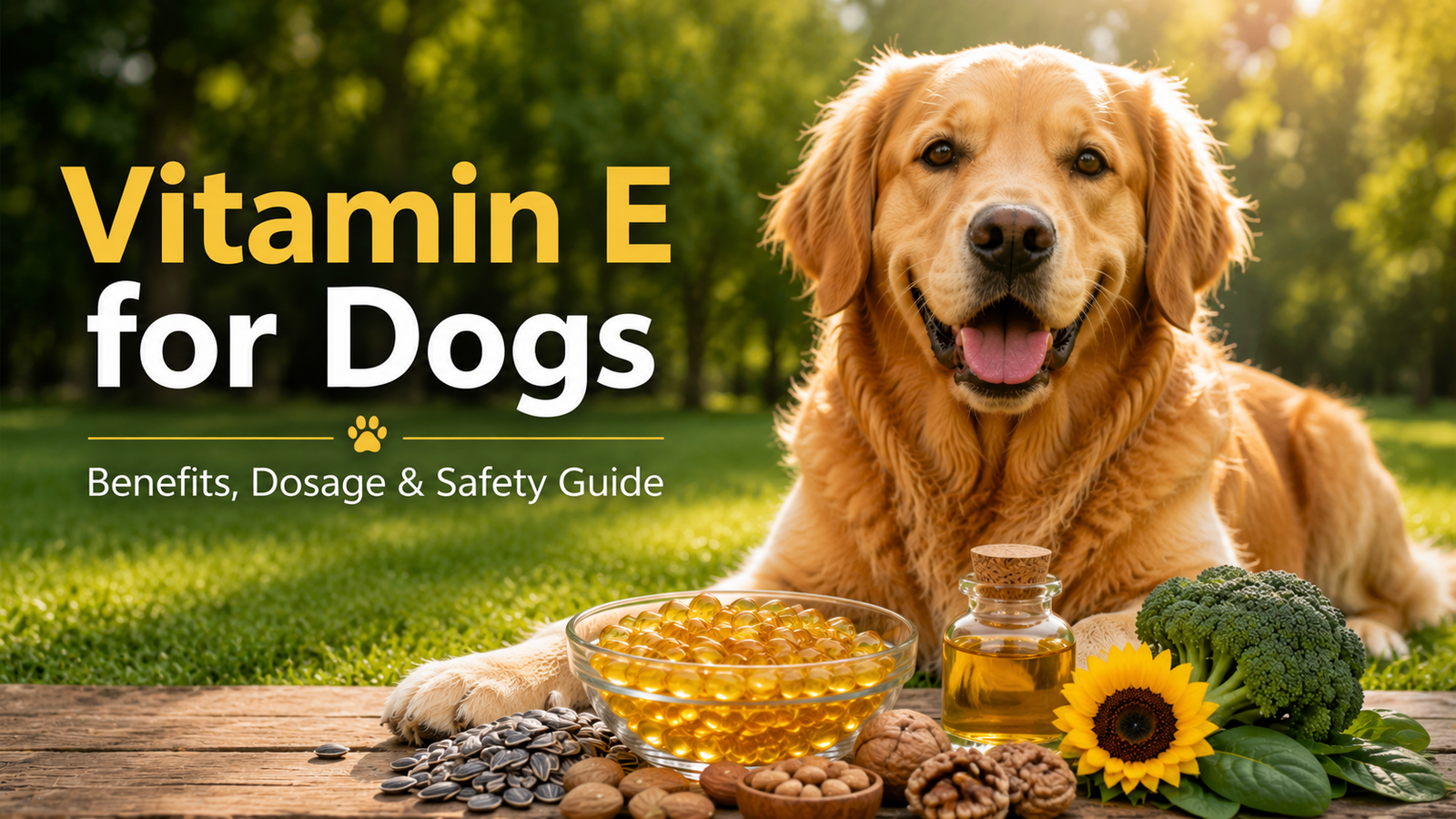
Vitamin E for Dogs: Why This Small Nutrient Matters More Than Most Pet Owners Think
Most dog owners focus on protein, calcium, and omega-3 fatty acids when choosing food for their pets. Yet one nutrient quietly works behind the scenes every day to protect your dog’s health: Vitamin E.
This essential vitamin supports the immune system, protects cells from damage, helps maintain healthy skin, and contributes to overall wellbeing. While it does not receive as much attention as other nutrients, veterinarians consider Vitamin E an important part of a balanced canine diet.
The good news? Most healthy dogs already get enough Vitamin E from high-quality commercial dog food. However, understanding how this nutrient works can help you make better decisions about your dog’s nutrition and avoid unnecessary supplements.
In this guide, you’ll learn the real benefits of Vitamin E for dogs, signs of deficiency, safe supplementation practices, and when you should speak with your veterinarian.
What Is Vitamin E?

Vitamin E is a fat-soluble vitamin and a powerful antioxidant. Antioxidants help protect the body’s cells from damage caused by unstable molecules known as free radicals.
Think of free radicals as tiny troublemakers. They form naturally during normal body processes, but excessive amounts can damage cells and contribute to inflammation and aging.
Vitamin E helps neutralize these molecules before they create problems.
According to Purina, Vitamin E supports healthy cell function, immune health, muscles, skin, coat quality, and organ function in dogs.
Why Dogs Need Vitamin E
Dogs cannot produce enough Vitamin E on their own. They must obtain it through food.
This nutrient plays several important roles throughout the body.
Supports the Immune System
A strong immune system helps dogs fight infections and recover from illness more effectively.
Research has shown that antioxidant-rich diets containing Vitamin E can support immune function and improve protection against oxidative stress.
Healthy immune cells perform better when they are protected from free radical damage.
Protects Cells From Oxidative Stress
Every cell in your dog’s body faces daily exposure to oxidative stress.
Vitamin E acts like a protective shield around cell membranes. This protection becomes especially important for active dogs, senior dogs, and dogs recovering from illness.
Without enough antioxidants, oxidative damage can gradually affect tissues and organs.
Promotes Healthy Skin and Coat
Many dog owners notice coat quality before anything else.
Vitamin E helps maintain healthy skin and supports natural skin barrier function. It may also help reduce dryness and support overall coat condition when combined with a balanced diet.
A shiny coat often reflects good nutrition, although it is not the only factor involved.
Supports Muscle Health
Vitamin E helps protect muscle tissues from damage.
Veterinary research has linked Vitamin E deficiency to muscle weakness and muscle-related health issues in dogs. Adequate levels help maintain normal muscle function throughout life.
May Help Reduce Inflammation
Inflammation contributes to many chronic health conditions.
Some studies suggest that higher antioxidant intake, including Vitamin E, may help reduce inflammatory markers in dogs with certain joint conditions.
This does not mean Vitamin E cures arthritis or inflammation. However, it may play a supportive role as part of a veterinarian-approved treatment plan.
Natural Sources of Vitamin E for Dogs
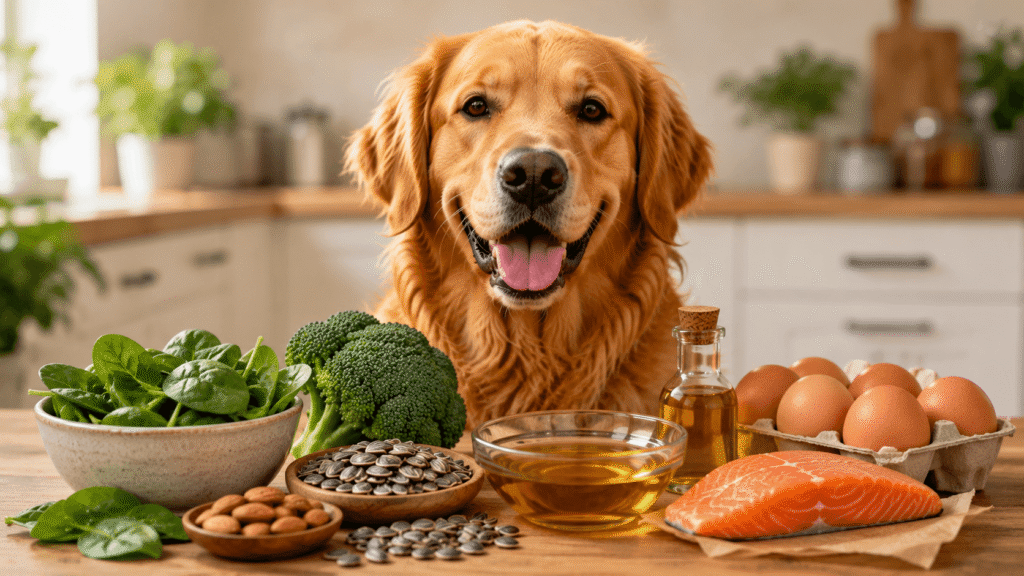
Many foods naturally contain Vitamin E.
Common sources include:
- Sunflower oil
- Wheat germ oil
- Spinach
- Broccoli
- Eggs
- Fish
- Leafy green vegetables
- Certain nuts and seeds
Most commercial dog foods also contain added Vitamin E. Manufacturers often use it both as a nutrient and as a natural preservative to help maintain food freshness.
That means most dogs eating complete and balanced dog food already receive sufficient amounts.
Signs of Vitamin E Deficiency in Dogs
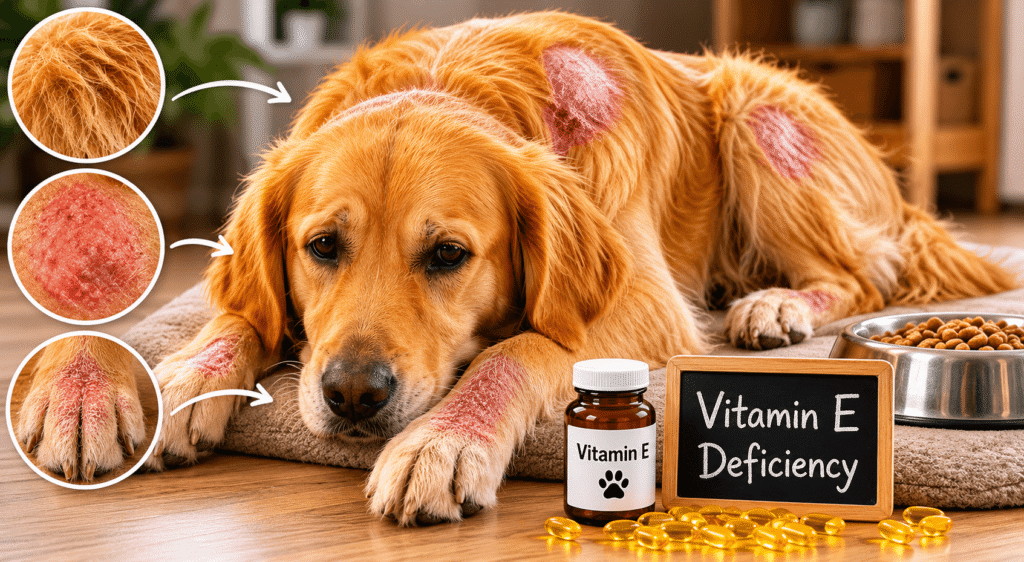
Vitamin E deficiency remains relatively uncommon in dogs that eat nutritionally complete diets.
However, deficiencies can occur in certain situations, particularly with poorly balanced homemade diets or specific medical conditions.
Potential signs include:
Muscle Weakness
Dogs may appear tired, weak, or reluctant to exercise.
Poor Coordination
Some dogs develop difficulty with balance or movement.
Skin Problems
Dry skin, irritation, or poor coat condition may occur.
Vision Issues
Severe deficiencies can affect eye health and vision.
Reproductive Problems
Research has linked Vitamin E deficiency to reproductive difficulties in both male and female animals.
Steatitis
This condition involves painful inflammation of fatty tissues and has been associated with low Vitamin E levels.
If you notice any of these symptoms, do not start supplements immediately. Many health conditions share similar signs. Your veterinarian can perform appropriate testing to identify the actual cause.
Does Your Dog Need a Vitamin E Supplement?
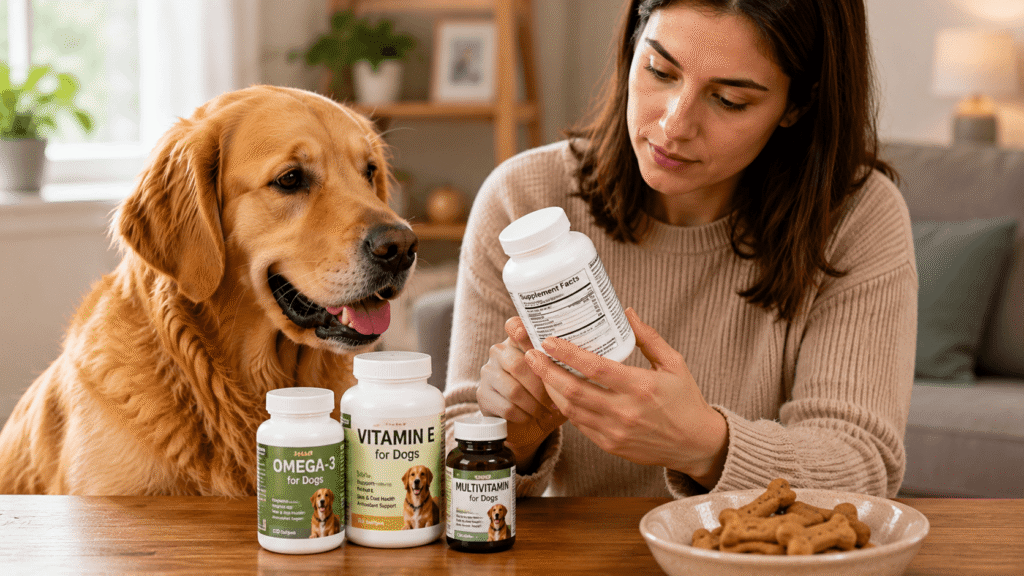
In most cases, no.
Dogs eating a complete and balanced commercial diet generally receive enough Vitamin E through food alone.
However, supplementation may sometimes benefit specific dogs under veterinary supervision.
Examples include:
- Dogs eating homemade diets
- Dogs with certain digestive disorders
- Dogs with fat absorption problems
- Dogs receiving long-term fish oil supplementation
- Dogs with specific medical conditions recommended by a veterinarian
One interesting exception involves fish oil.
According to veterinary experts, dogs receiving fish oil supplements may benefit from additional Vitamin E because omega-3 fatty acids can gradually reduce Vitamin E stores in the body.
That does not mean every dog on fish oil automatically needs supplementation. It simply means veterinary guidance becomes more important.
How Much Vitamin E Do Dogs Need?
There is no universal dosage that fits every dog.
Requirements depend on factors such as:
- Body weight
- Diet quality
- Age
- Activity level
- Medical history
- Existing health conditions
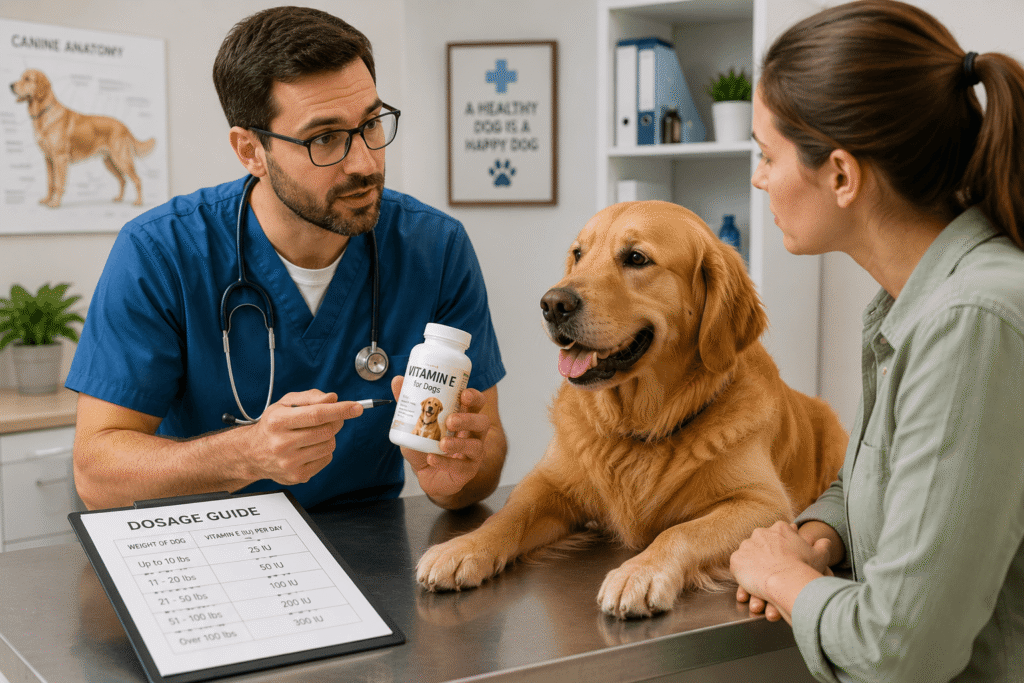
Some veterinary sources suggest general supplemental ranges between 2–3 IU per pound of body weight daily when supplementation is necessary.
However, dosage recommendations vary significantly depending on the reason for supplementation.
This is why self-prescribing supplements often creates more confusion than benefits.
Always discuss dosage with your veterinarian before adding Vitamin E products to your dog’s routine.
Can Dogs Get Too Much Vitamin E?
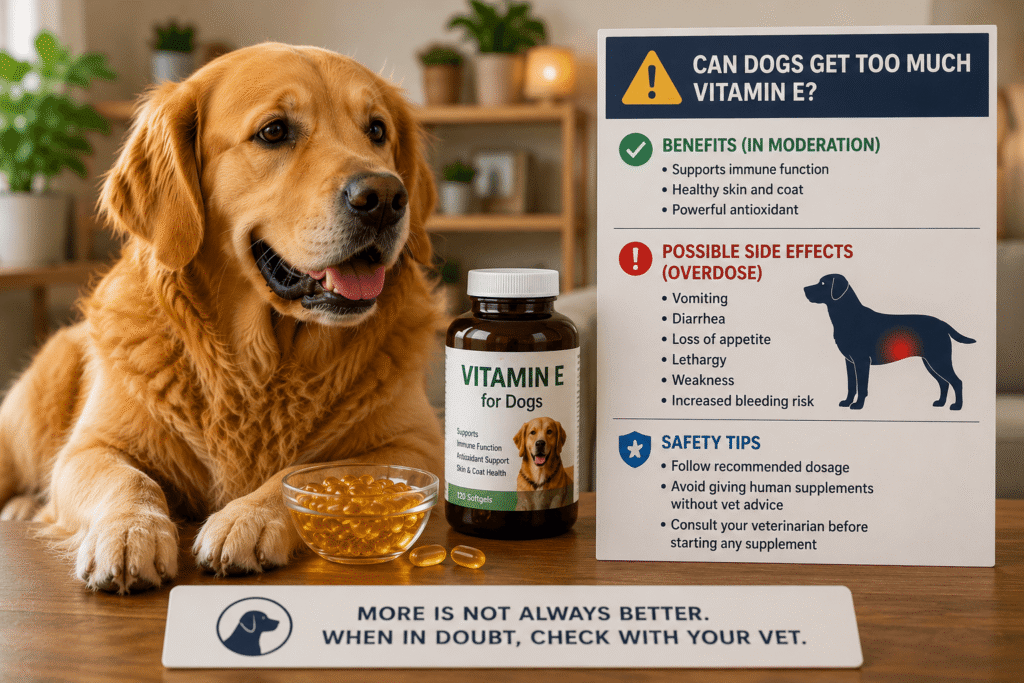
Yes, although toxicity appears relatively rare compared with some other fat-soluble vitamins.
Veterinary sources report that Vitamin E generally has a wide safety margin.
However, excessive long-term supplementation can still create problems.
Potential concerns include:
- Digestive upset
- Diarrhea
- Vomiting
- Nutrient imbalances
- Interference with Vitamin K function in extreme cases
More is not always better.
Many pet owners assume supplements are harmless because they are available without prescriptions. Unfortunately, supplement mistakes send plenty of confused pet owners searching Google at midnight.
Your dog would probably prefer a belly rub over a nutrition experime
Vitamin E and Senior Dogs
As dogs age, oxidative stress naturally increases.
Researchers continue studying how antioxidants influence aging, brain function, and cognitive health.
Some evidence suggests antioxidant-rich diets may help support healthy aging when combined with proper veterinary care, exercise, and balanced nutrition.
However, Vitamin E is not a magic anti-aging solution.
A healthy lifestyle still matters far more than any single supplement.
Vitamin E and Homemade Dog Diets
Homemade dog food has become increasingly popular.
Unfortunately, many homemade diets fail to provide complete nutrition.
Vitamin deficiencies remain one of the most common problems in unbalanced homemade feeding plans.
If you prepare food at home, work with a board-certified veterinary nutritionist or veterinarian. They can help ensure your dog receives appropriate levels of essential nutrients, including Vitamin E.
Guessing nutrient requirements rarely ends well.
Dogs may forgive many mistakes. Nutritional deficiencies are not one of them.
When to Call Your Veterinarian
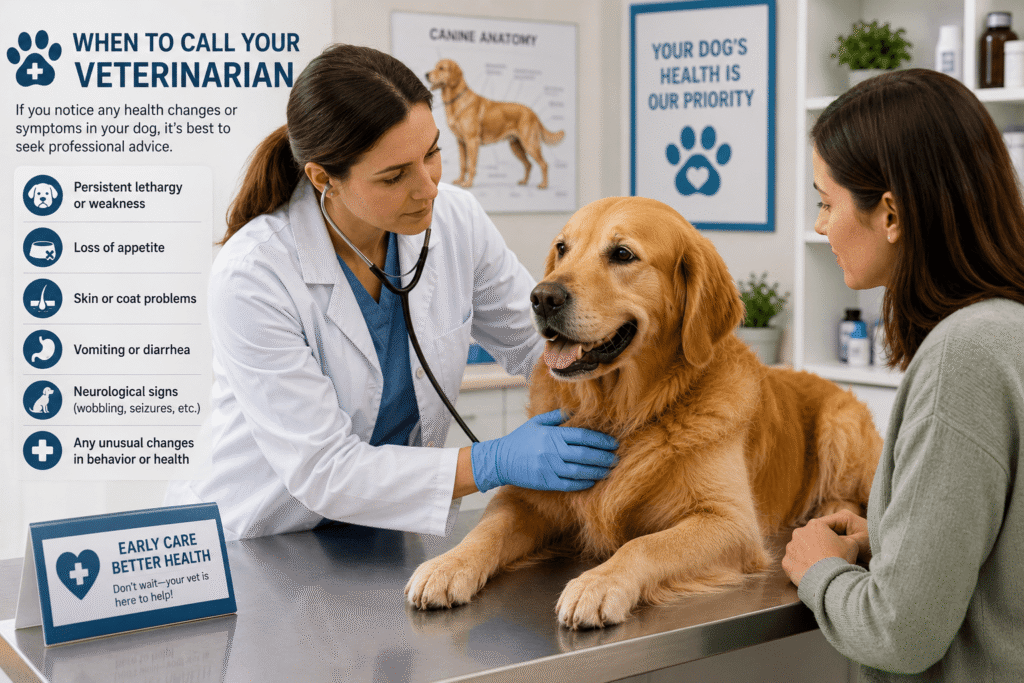
Speak with your veterinarian if:
- You suspect a deficiency
- Your dog shows muscle weakness
- You notice unexplained skin problems
- Your dog receives fish oil supplements
- You prepare homemade meals
- You want to start any new supplement
A simple consultation can prevent months of unnecessary supplementation and help identify underlying health issues.
Final Thoughts
Vitamin E plays an essential role in canine health. It supports immune function, protects cells from oxidative stress, helps maintain healthy skin, and contributes to normal muscle function.
The good news for most dog owners is simple: a high-quality, complete, and balanced dog food already provides sufficient Vitamin E.
Supplementation may help certain dogs, but it should never replace professional veterinary advice.
When it comes to dog nutrition, balance beats excess every time.
Your dog does not need a cabinet full of supplements. They need proper nutrition, regular exercise, veterinary care, and someone willing to throw the same tennis ball 47 times in a row without complaining.
That last one might be the hardest part.
Sources
- Purina – Health Benefits of Vitamin E for Dogs.
- Pet Food Institute – A to Z of Pet Food: Vitamin E.
- MSD Veterinary Manual – Toxicoses in Animals From Human Vitamins and Supplements.
- National Center for Biotechnology Information (NCBI) – Effect of Dietary Antioxidants on Free Radical Damage in Dogs and Cats.
- Whole Dog Journal – Vitamin E for Dogs: What You Should Know.
- PetMD – Vitamin E for Dogs.