
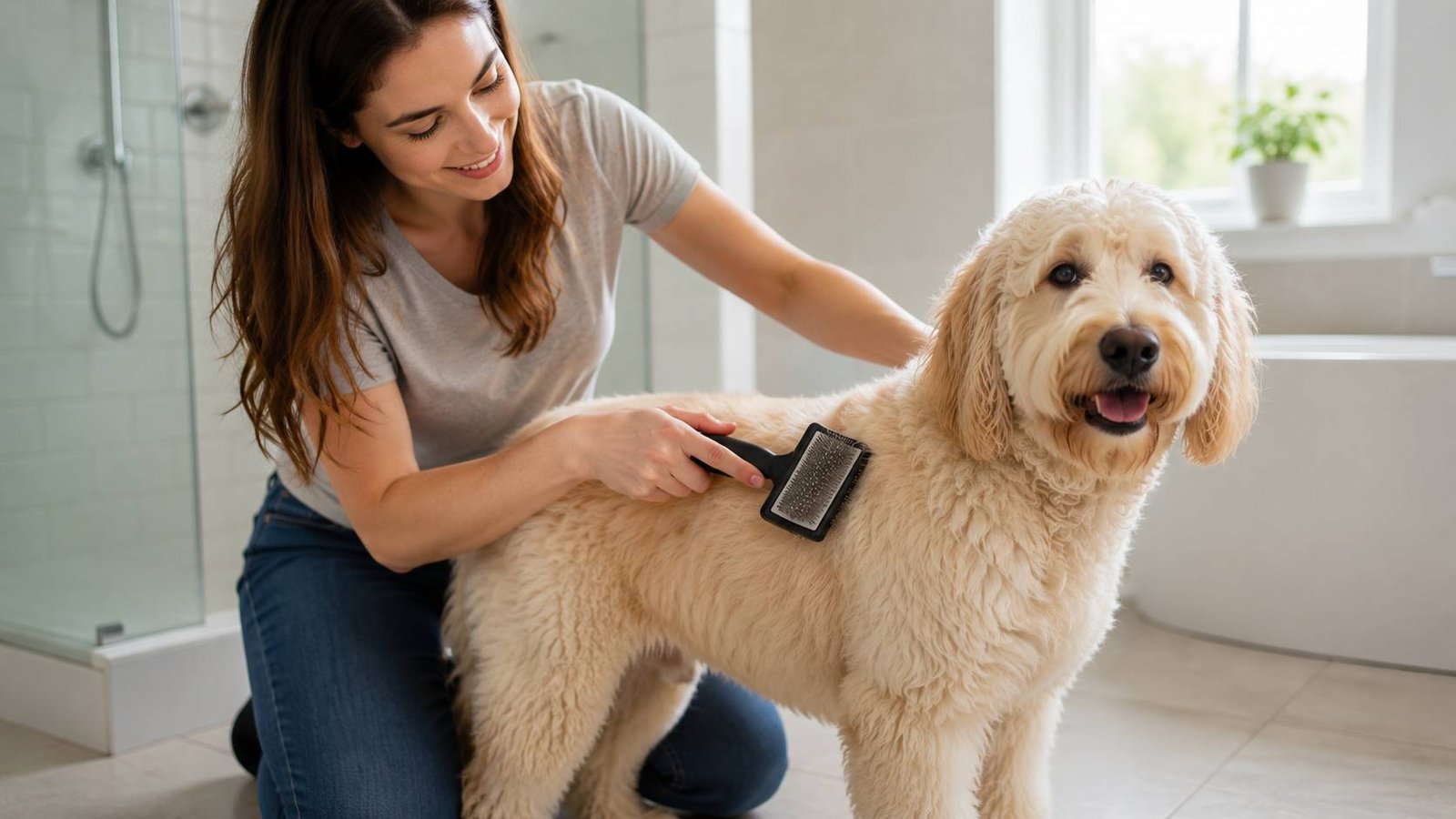
Let’s be honest. You love your dog. You’d do anything for them. But $60 per grooming visit, five times a year? That adds up fas and your dog doesn’t even tip.
The good news is that dog grooming at home is not only doable, it’s genuinely good for your dog. With the right tools, a little patience, and this guide, you can handle most of your pup’s grooming needs without leaving the house.
Why Home Grooming Actually Matters
Most dog owners think grooming is about keeping their pet looking cute. It is, but that’s just the bonus.
According to the American Society for the Prevention of Cruelty to Animals (ASPCA), regular grooming prevents matting, reduces the risk of ear infections, and helps you catch early signs of skin problems, lumps, or parasites. In other words, grooming is preventive healthcare with a side of fluffiness.
The American Kennel Club (AKC) backs this up, noting that a consistent grooming routine keeps your dog’s coat, nails, teeth, ears, eyes, and paws clean and healthy. all things that directly affect quality of life.
And the numbers tell an interesting story too. According to a 2024 report by the American Pet Products Association (APPA), 47% of U.S. pet owners performed grooming tasks at home. a 5% jump from 2018. More people are picking up the brush. Cost is a big driver, but so is the growing awareness that grooming builds a stronger bond between owner and dog.
Before You Start: Know Your Dog’s Coat Type
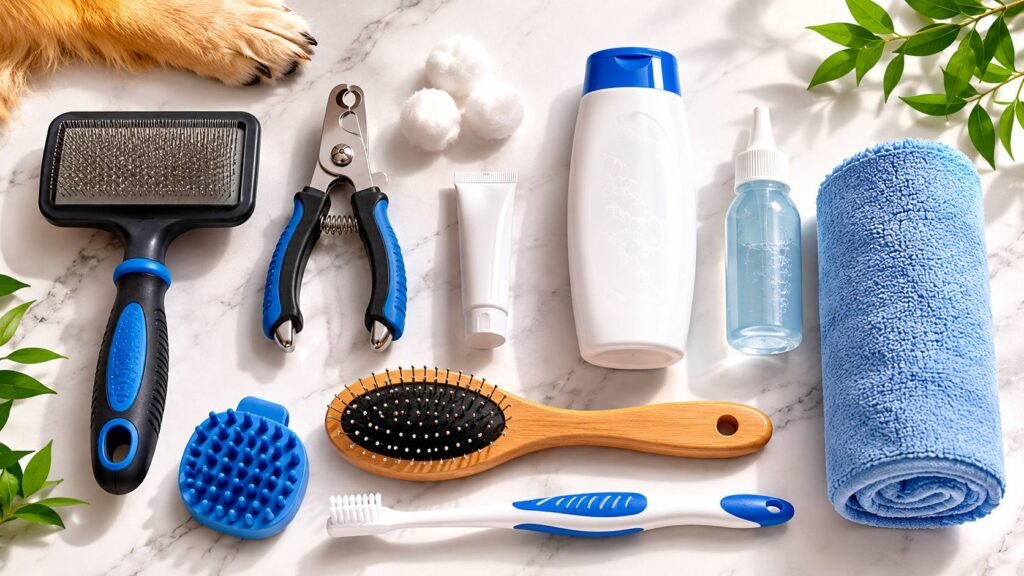
This is where most first-timers go wrong. They grab the wrong brush, create more tangles, and wonder why their dog is now hiding under the bed.
Every coat type needs a different approach:
- Short, smooth coats (Beagles, Boxers, Dalmatians) . easiest to maintain. A rubber curry brush or grooming mitt works great.
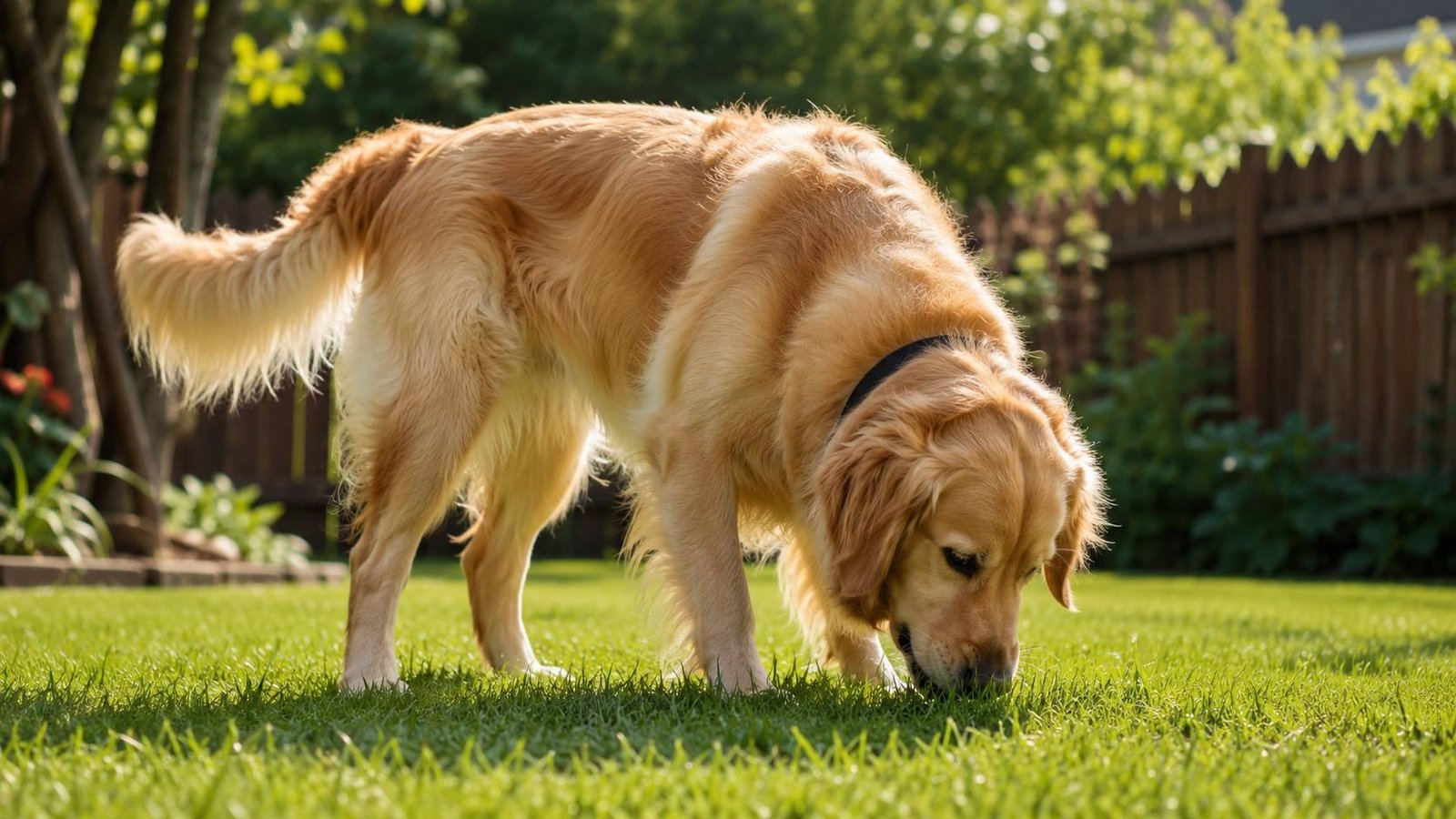
- Medium to long coats (Golden Retrievers, Spaniels, Cavoodles). need a pin brush or slicker brush, and regular sessions 3,4 times a week.
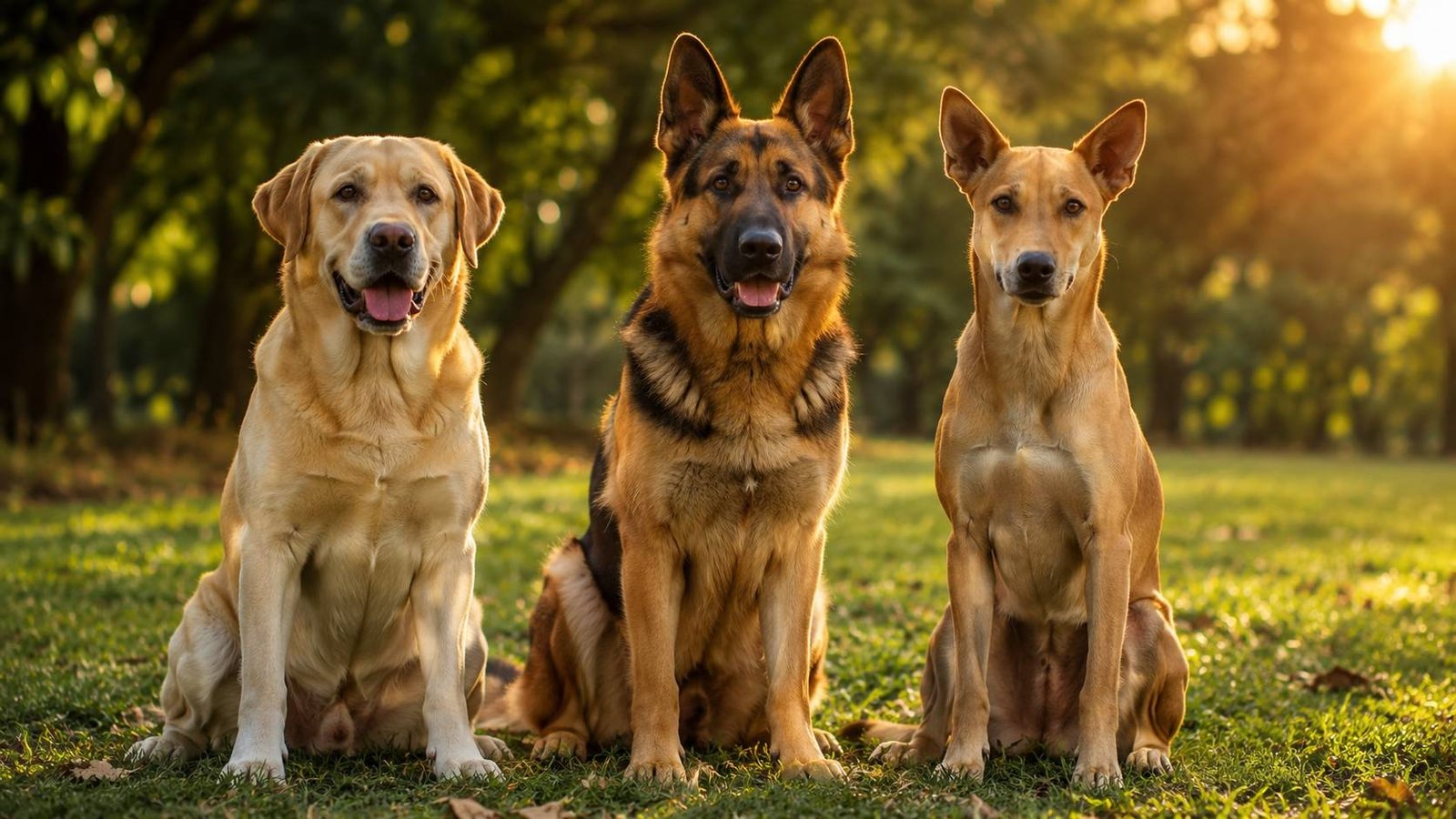
- Double coats (Huskies, German Shepherds, Border Collies). require de,shedding rakes, especially during shedding season.
- Curly or wavy coats (Poodles, Doodles, Bichon Frise), need regular clipping and daily brushing to prevent mats.
- Wiry coats (Terriers). best maintained with a stripping knife or slicker brush.
When in doubt, the AKC provides detailed grooming guidelines for over 200 recognized breeds, a genuinely useful resource before you buy any tools.
Your At Home Dog Grooming Toolkit
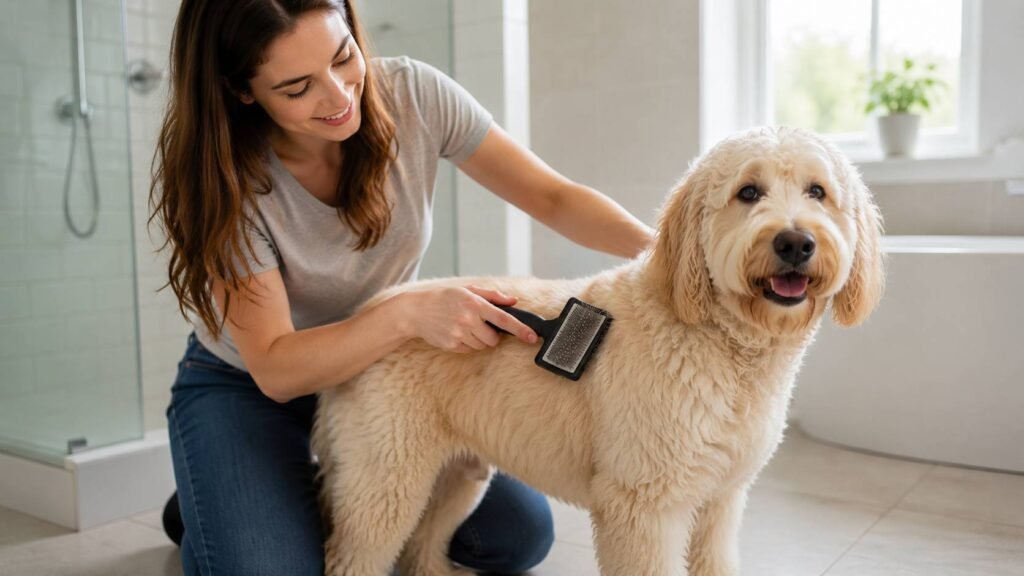
You don’t need to spend a fortune. But buying cheap tools is a mistake, dull clippers pull at fur, and the wrong brush irritates skin.
Here’s what you actually need:
- Dog-specific shampoo. never use human shampoo. Dogs have a different skin pH, and human products dry out their coat.
- A brush suited to their coat , slicker brush, pin brush, bristle brush, or de-shedding rake (see above).
- Dog nail clippers or a grinder, and a small tube of styptic powder for accidents.
- Dog ear cleaner, cotton balls work fine. No cotton swabs.
- Dog toothbrush and toothpaste, human toothpaste is toxic to dogs.
- Towels or a low-heat dryer, microfiber towels dry faster and reduce mess.
That’s it. You don’t need a grooming table, a UV dryer, or anything sold on a 3 AM infomercial.
Step by Step: How to Groom Your Dog at Home
Step 1 Brush Before the Bata
Always brush your dog before bathing. Water tightens mats. Once that happens, you’re fighting a losing battle with a very wet, very annoyed dog.
Work section by section, brushing in the direction of hair growth. Check especially behind the ears and under the legs, those are where mats love to hide. If you find a tangle, work from the tip inward, not the root.
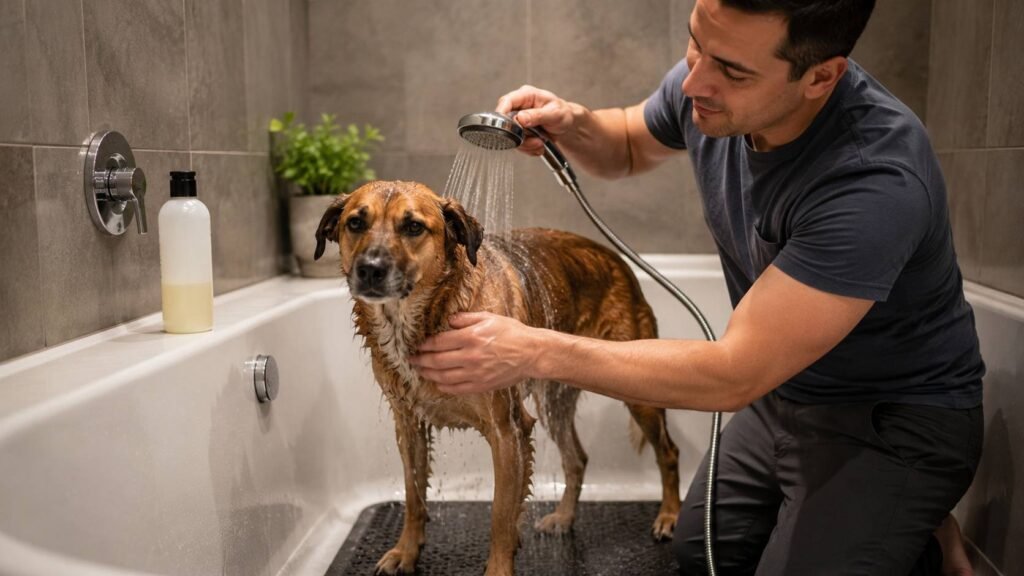
Step 2 Bath Time (Without the Chaos)
Use lukewarm water. Cold water chills dogs and creates a bad association with bathing, which you’ll regret for years. If you’re bathing a small dog, support them in the tub so they don’t panic.
Apply dog shampoo and give a full body massage while lathering. Rinse thoroughly, leftover shampoo causes skin irritation. The ASPCA recommends placing a cotton ball in each ear during bathing to protect against water and soap. Avoid the face entirely; use a damp cloth to clean around the eyes and muzzle.
Most dogs need a bath every 4 to 6 weeks. Active outdoor dogs might need one more often. Bathing too frequently strips natural oils and dries out the skin.
After the bath, dry your dog with a microfiber towel. If you use a hairdryer, keep it on the lowest heat setting and move it constantly, never hold it in one spot.
Step 3 Nail Trimming (The Part Everyone Dreads)
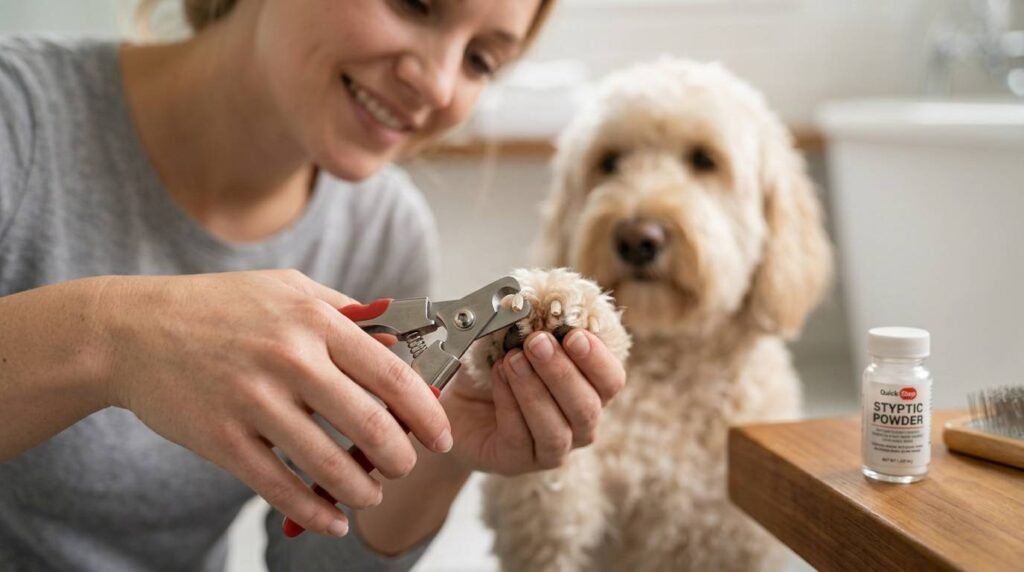
Here’s the truth: nail trimming is not hard, but it does require confidence. Dogs sense hesitation, and hesitation turns into a struggle.
Trim nails every 3 to 4 weeks. Cut in small increments, and stop before you reach the pink “quick”the blood vessel inside the nail. Cutting the quick hurts and bleeds.
If that happens, stay calm. Apply styptic powder immediately to stop bleeding. It works fast.
If your dog’s nails are black and you can’t see the quick, trim just the tip and work slowly. A grinder (like the Dremel pet nail kit) is a gentler alternative for nervous dogs, producing less pressure than clippers.
Step 4 Ear Cleaning
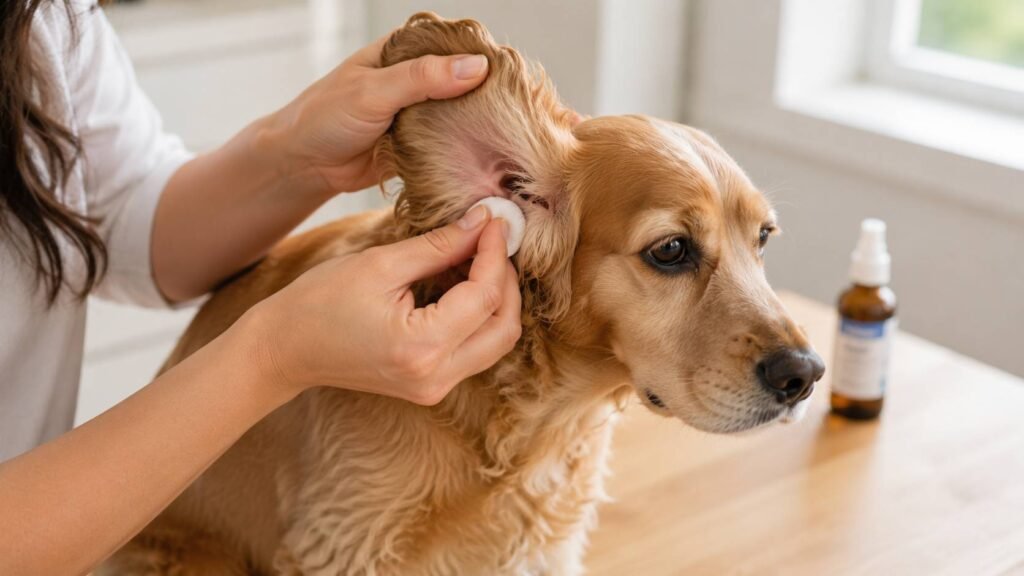
Check your dog’s ears once a month, or more if they’re prone to infections. The AKC recommends cleaning the outer part of the ear only, using a cotton ball dampened with a vet-approved ear cleaner.
Never push anything into the ear canal. Never use cotton swabs.
Warning signs to watch for: redness, swelling, dark discharge, or a yeasty smell. Any of those means a vet visit, not a home remedy.
Dogs with floppy ears Cocker Spaniels, Basset Hounds, Labradoodles — are especially prone to ear infections, so keep them drier and check more frequently.
Step 5 Teeth Brushing
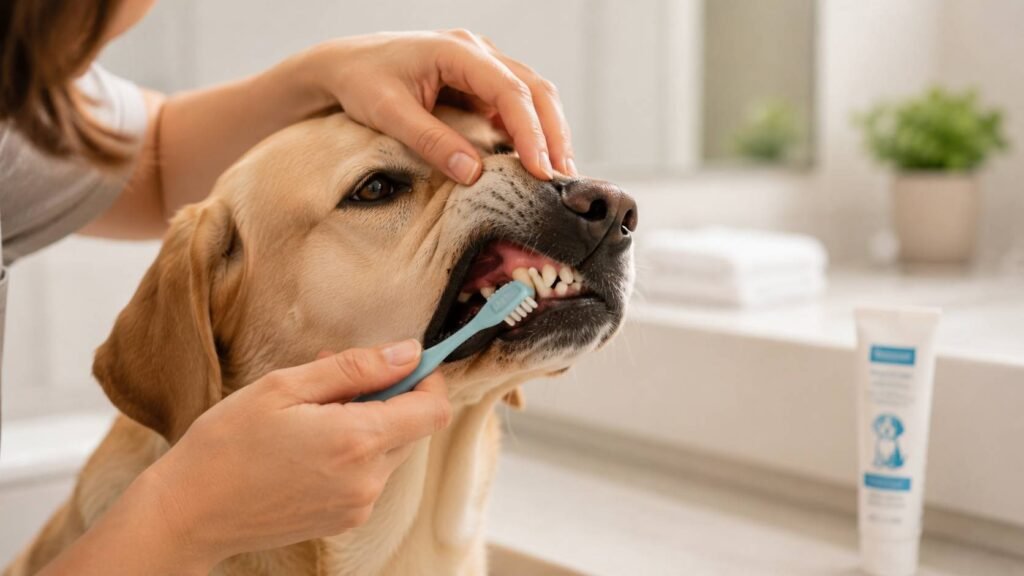
This is the grooming step most people skip. That’s a mistake.
According to the Humane World for Animals, plaque hardens into tartar within just a few days, and tartar can only be removed by a veterinarian. Long-term dental neglect leads to gum disease, which in dogs is linked to heart, liver, and kidney damage.
Brush your dog’s teeth at least a few times per week. Daily is better. Use a dog toothbrush and dog toothpaste (flavors like chicken or peanut butter make it significantly more tolerable for both of you). Start slow, let them sniff and lick the toothpaste first, then gradually introduce the brush.
Dental chews help, but they don’t replace brushing.
How Often Should You Groom?
There’s no single answer, it depends on breed, coat, and lifestyle. But as a general guide backed by the AKC and ASPCA:
- Brushing, 2 to 3 times per week for most breeds; daily for long or double-coated dogs
- Bathing, every 4 to 6 weeks; monthly for short-haired breeds
- Nail trimming, every 3 to 4 weeks
- Ear cleaning, monthly, or more for floppy-eared breeds
- Teeth brushing at least 2 to 3 times per week; daily if possible
Common Mistakes to Avoid
Even well-meaning dog owners get a few things wrong. Here are the most common ones:
Using human shampoo. Dog skin has a different pH than human skin. Human shampoos cause dryness, flaking, and irritation. Always use veterinarian-approved products made for dogs.
Skipping brushing before bathing. Water makes mats worse. Brush first, every time.
Trimming nails too aggressively. Go slow. Cut a little at a time. Overconfidence here is genuinely painful for your dog.
Ignoring dental hygiene. It’s the easiest step to skip and the one with the most serious long,term consequences.
Trying to do too much too fast. A first grooming session doesn’t need to cover everything. Start with brushing. Build up over multiple sessions as your dog gets comfortable.
When to Still See a Professional
Home grooming covers a lot, but not everything. Some situations call for a professional groomer or veterinarian:
- Heavy matting that can’t be safely brushed out
- Breed-specific cuts requiring technical skill (show trims, lion cuts, etc.)
- Dogs with severe grooming anxiety
- Anal gland issues, don’t attempt these at home without proper training
- Any skin sores, wounds, or infections you notice during grooming
As the AKC puts it: when you combine home grooming with regular professional visits, your dog’s coat, nails, teeth, ears, and paws stay clean, healthy, and odor-free.
The Real Benefit Nobody Talks About

Grooming is one of the most consistent, hands,on ways to bond with your dog. You’re touching them, talking to them, paying attention to every part of their body. Dogs that are regularly groomed at home tend to be calmer with handling, at the vet, at the groomer, even when kids are around.
Lindsey Dicken, a Master Groomer and Bichon Frise expert quoted by the AKC, puts it simply: “If you make it enjoyable, it can be very relaxing for the dog.”
And if it’s relaxing for the dog, it’s a lot less chaotic for you.
Final Thoughts
Dog grooming at home isn’t about achieving salon perfection. It’s about consistency, safety, and paying attention to your dog’s health. With the right tools and a regular routine, you’ll save money, reduce your dog’s stress, and catch small issues before they become expensive ones.
Start simple. Be patient. Give treats generously. Your dog will come around, and eventually, they might even enjoy it.
Sources: American Kennel Club (AKC), ASPCA, American Pet Products Association (APPA), Humane World for Animals, Grand View Research




1 thought on “Dog Grooming at Home Made Easy”