
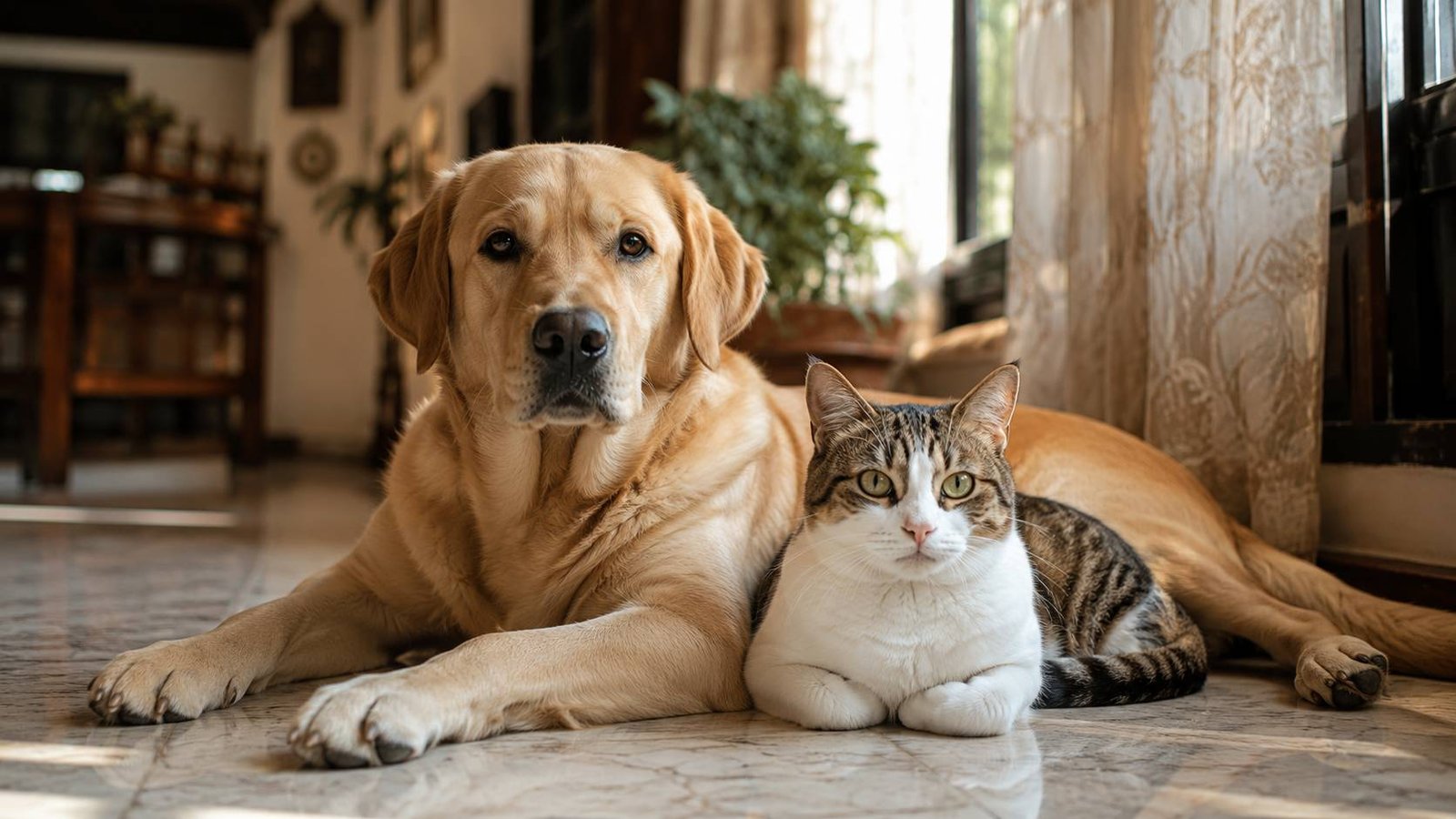
If you’ve ever stepped onto a Delhi balcony at 2 PM in June, you already know what your dog or cat is up against. Indian summers aren’t just hot — they’re the kind of hot that makes tar roads shimmer and street dogs disappear into whatever shade they can find. Learning how to keep pets cool in Indian summer heat isn’t a nice-to-have. It’s basic survival planning, and it’s simpler than most people think once you understand how animals actually handle heat.
This guide walks through what’s really happening inside your pet’s body when temperatures spike, the warning signs that mean you need to act now, and the everyday habits that make the difference between a comfortable summer and a trip to the emergency vet.
Why Indian Summers Are Especially Hard on Pets
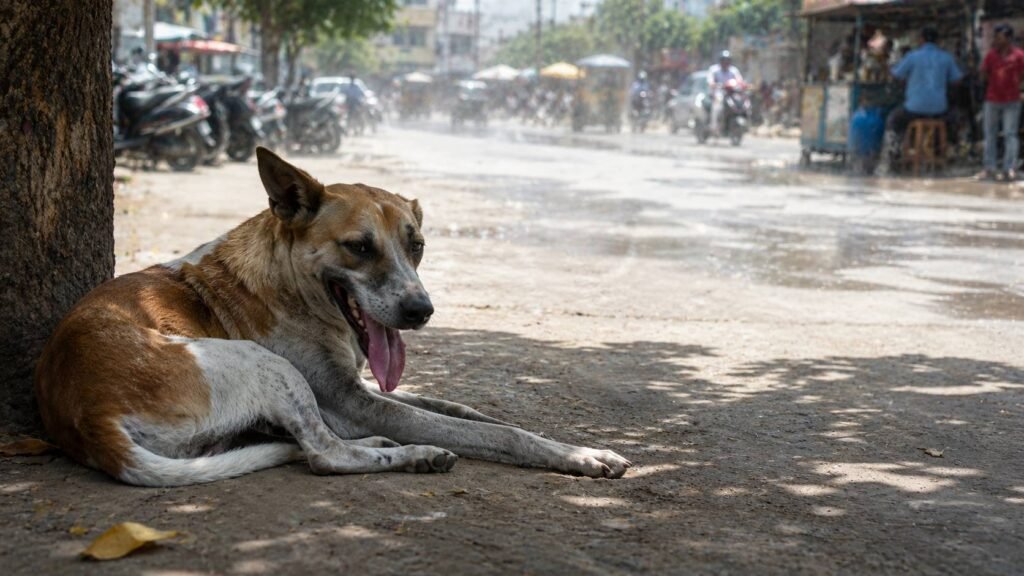
Dogs and cats don’t cool down the way we do. Humans sweat across most of their skin, but dogs rely mainly on panting, with a small assist from sweat glands in their paw pads. Cats pant far less efficiently and mostly groom themselves to spread saliva for evaporative cooling.
That system works fine in mild weather. It struggles badly once temperatures cross the mid-30s Celsius, especially with the humidity that builds up before the monsoon hits. North Indian cities routinely see pre-monsoon heat that combines high temperature with high humidity, which is the exact combination that overwhelms an animal’s ability to shed heat.
Add to this India’s specific conditions: hot asphalt that can burn paw pads within minutes, apartment balconies with direct afternoon sun, power cuts that shut off fans and ACs, and community dogs with no owner to check on them. Each of these turns an ordinary hot day into a genuine risk.
How to Keep Pets Cool in Summer Heat: The Core Principles
Before getting into specific tactics, it helps to understand the three things you’re actually managing: body temperature, hydration, and exertion. Nearly every practical tip below is really just a way of controlling one of these three.
1. Manage Timing, Not Just Temperature
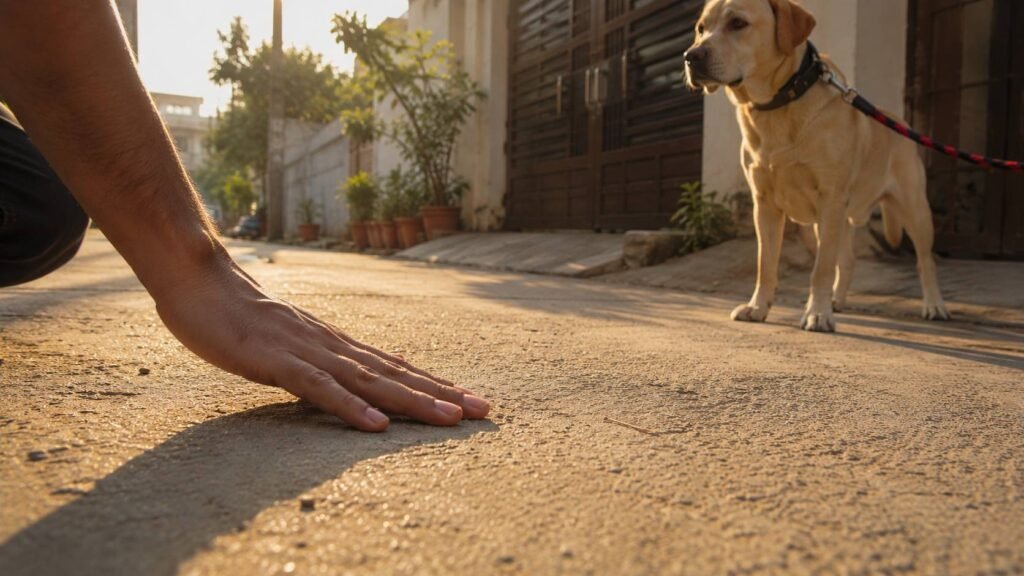
Walk dogs early morning or after sunset, when both air and ground temperature have dropped. Midday walks, even short ones, put paws directly on surfaces that can reach far higher than the air temperature above them. A simple test works well here: press the back of your hand on the pavement for five seconds. If it’s too hot for you, it’s too hot for your pet’s paws.
2. Water Access Should Be Constant, Not Occasional
Keep multiple water bowls around the house, not just one in the kitchen. For dogs that spend time outdoors or on terraces, check and refill water at least three to four times a day, since bowls left in the sun heat up and evaporate fast. Adding a few ice cubes helps water stay cool longer without making it dangerously cold.
3. Control the Indoor Environment
Cross-ventilation, curtains drawn during peak sun hours, and a fan pointed at your pet’s resting spot go a long way. If you have air conditioning, even a couple of cool hours during the hottest part of the day (roughly 12 PM to 4 PM) meaningfully lowers heat stress, even for pets that spend most of the day without AC.
4. Groomed Coats Cool Better Than Shaved Ones
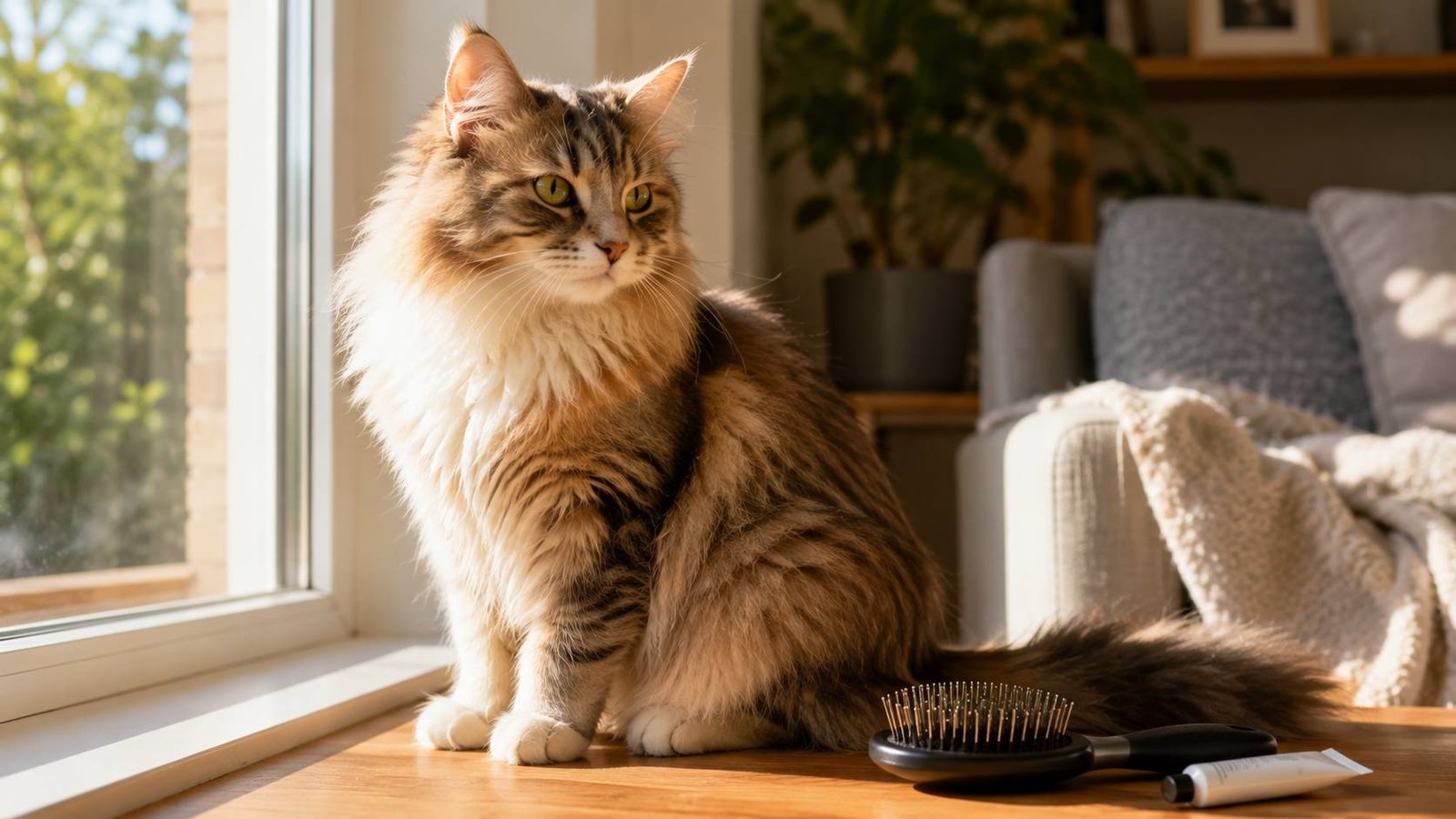
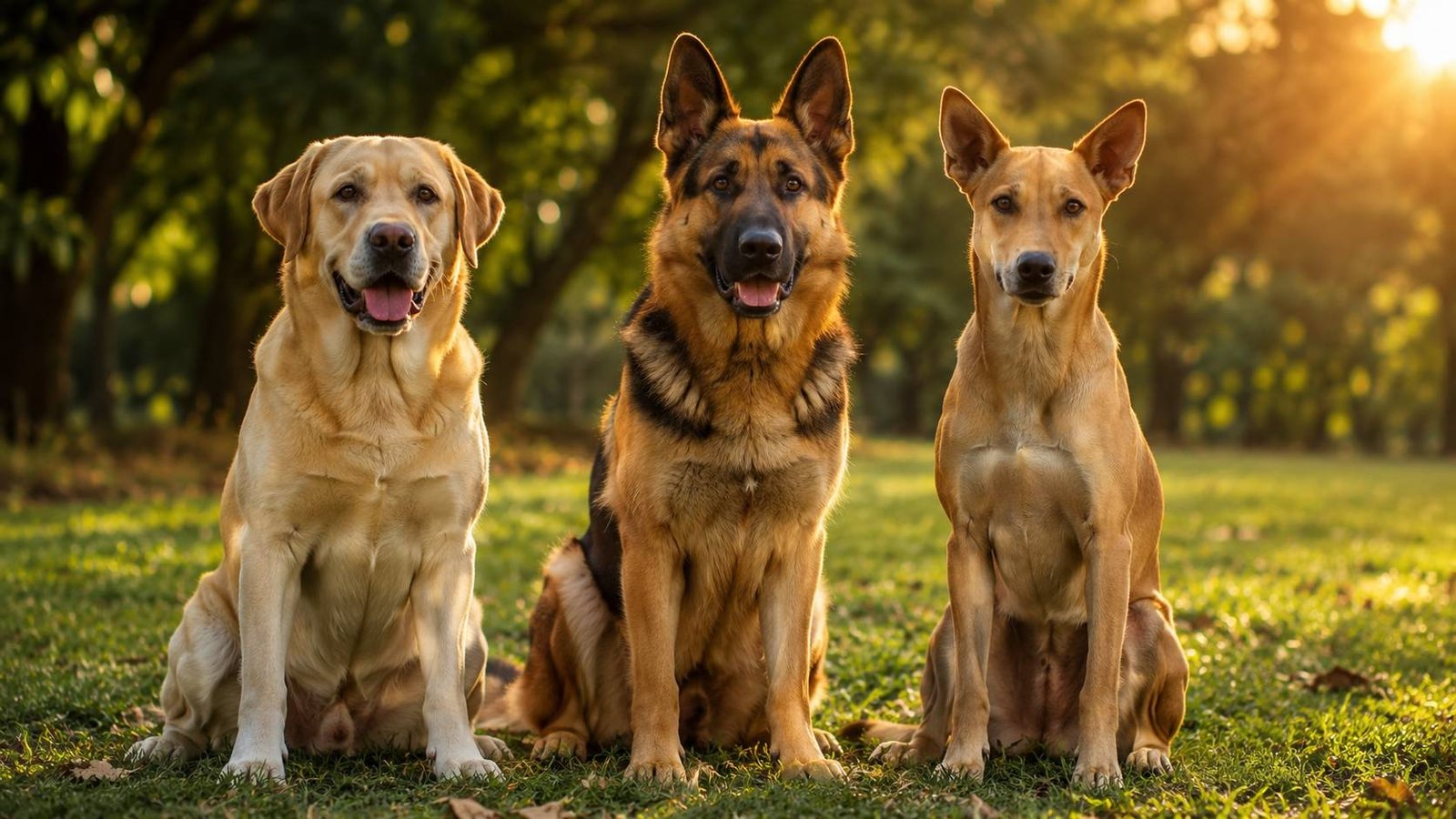
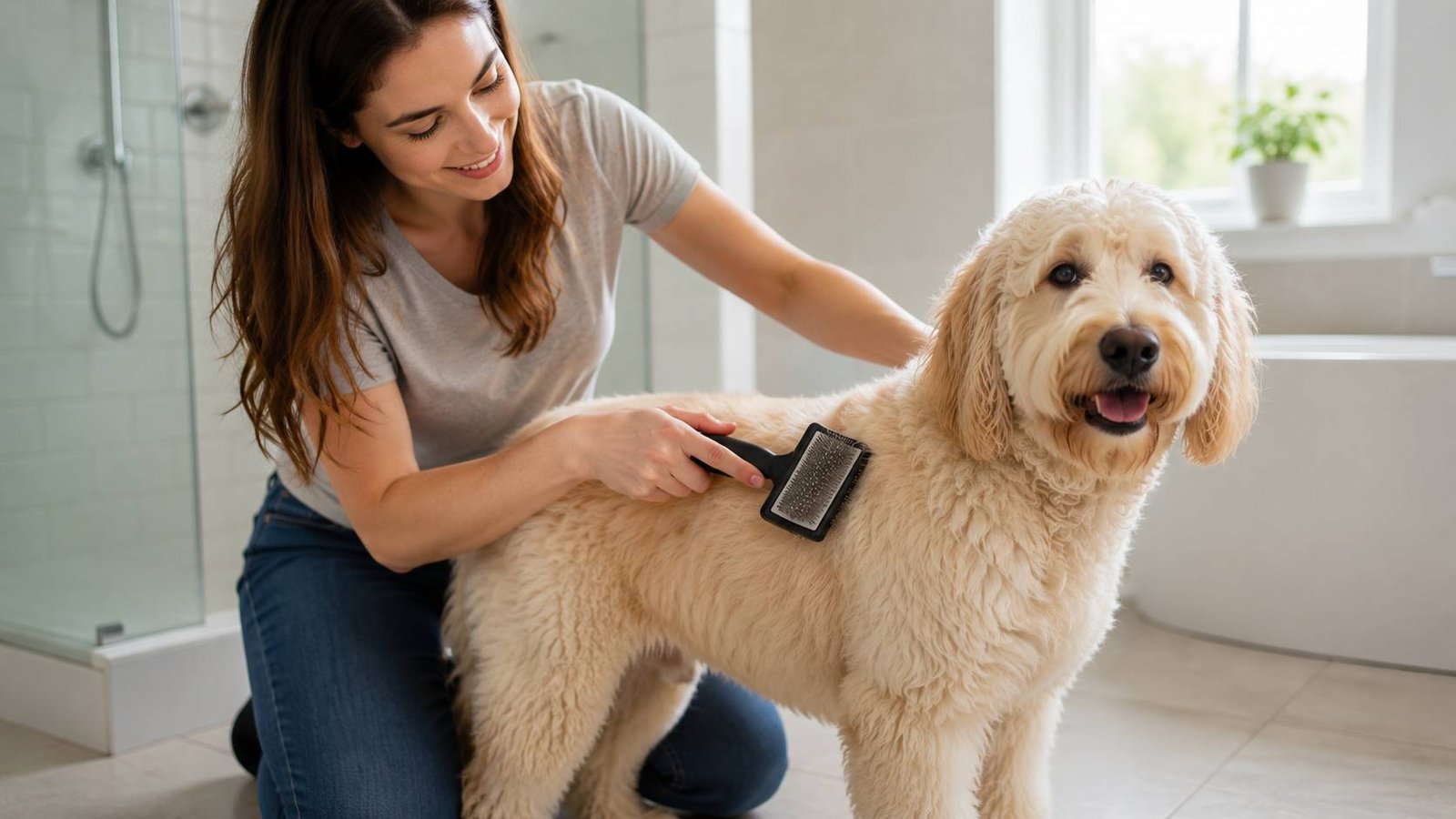
A common myth is that shaving a double-coated dog (like a Labrador, Golden Retriever, or Spitz) helps it stay cool. In most cases, the opposite is true — the undercoat actually insulates against heat and protects skin from sunburn. Regular brushing to remove loose undercoat is far more effective than a full shave, which can also leave skin vulnerable to sun damage.
Breeds and Pets That Need Extra Vigilance
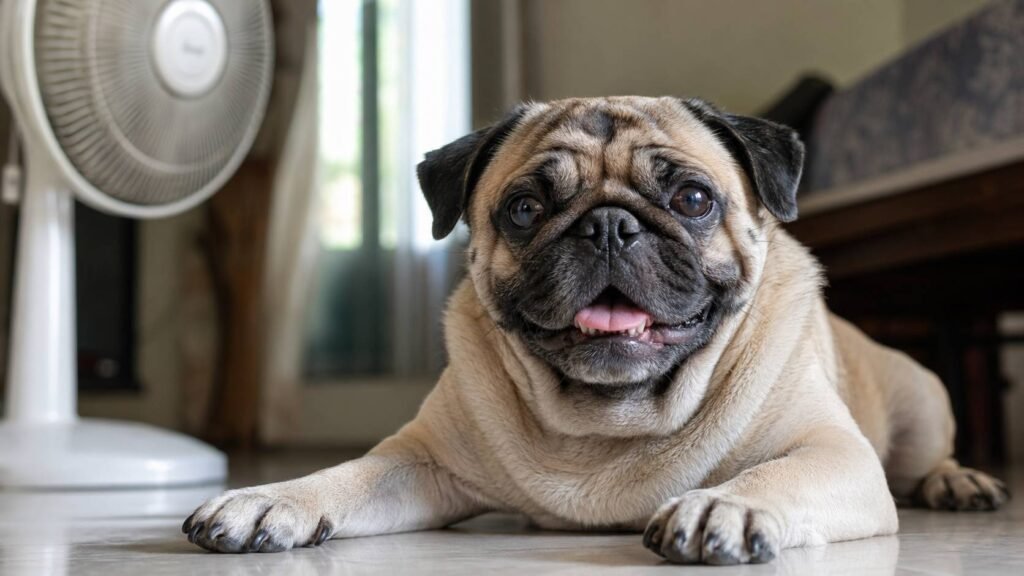
Some animals face meaningfully higher heat risk than others, and it’s worth knowing where your pet stands.
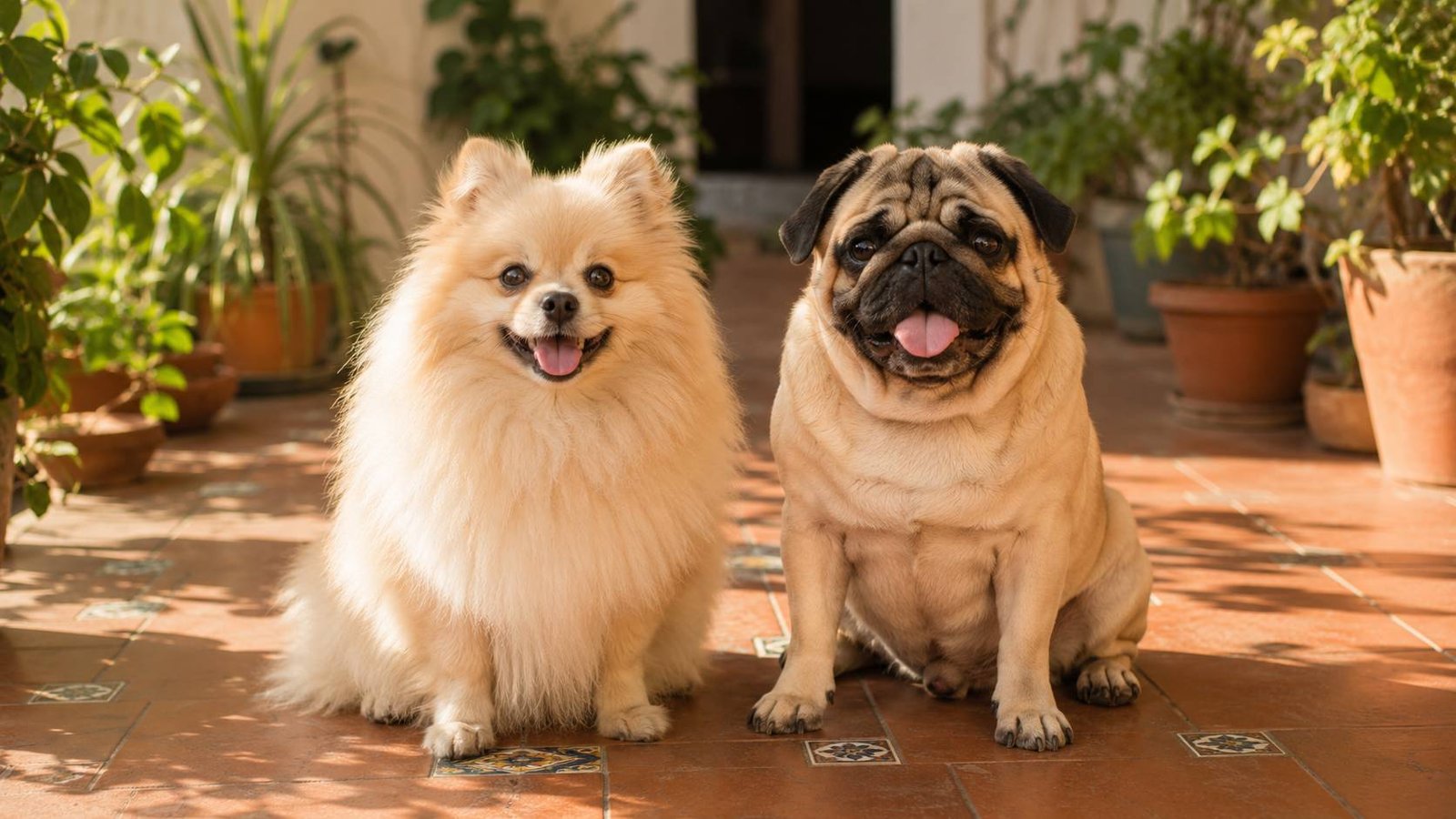
- Brachycephalic (flat-faced) breeds such as Pugs, Bulldogs, Boston Terriers, Shih Tzus, and Persian cats have restricted airways that make panting less effective, so they overheat faster even in moderate conditions.
- Senior pets and puppies regulate body temperature less efficiently.
- Overweight pets carry extra insulation that traps heat, and obesity has been linked to a significantly higher risk of death from heat stroke in dogs.
- Thick or dark-coated breeds like Huskies, Malamutes, and Rottweilers absorb more heat and take longer to cool down.
- Pets with heart, respiratory, or thyroid conditions have less physiological buffer against heat stress.
If your pet falls into more than one of these categories, treat every hot day with extra caution rather than waiting for symptoms to appear.
Recognizing Heat Stress Before It Becomes an Emergency
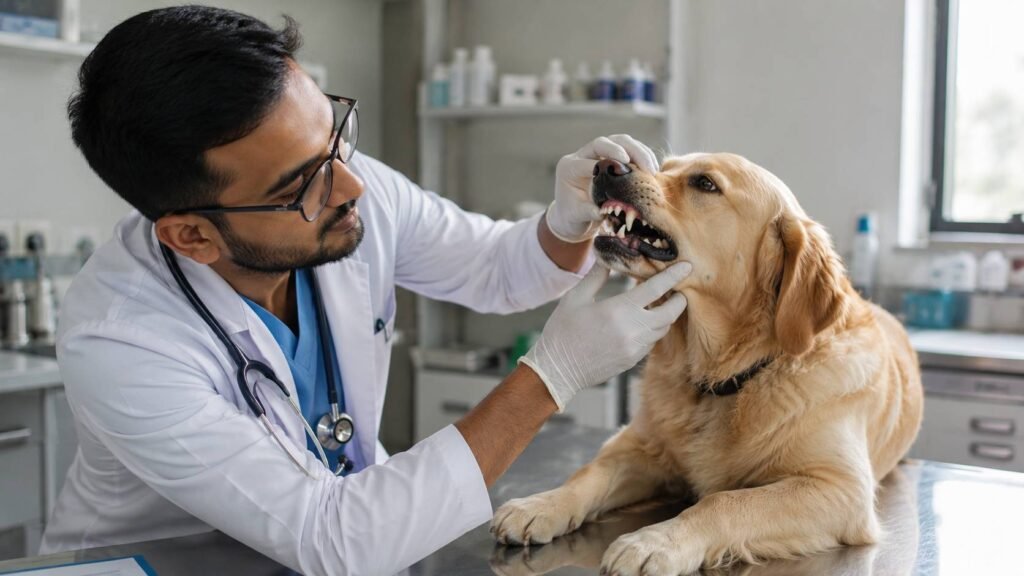
Veterinary sources including Cornell University’s College of Veterinary Medicine and the American Kennel Club describe heat-related illness in dogs as a progression through stages rather than something that appears all at once. Recognizing it early is what keeps it from becoming a crisis.
Early signs (heat stress):
- Heavier panting than usual
- Seeking shade or water on their own
- Mild restlessness or pacing
Worsening signs (heat exhaustion):
- Excessive drooling, thicker than normal
- Weakness, stumbling, or reluctance to move
- Bright red or dark gums
Emergency signs (heat stroke):
- Collapse or loss of coordination
- Vomiting or diarrhea
- Seizures or disorientation
A dog’s body temperature is considered dangerously high above 104°F (40°C), and heat stroke is generally associated with temperatures crossing 105.8°F, according to veterinary emergency guidance from the American Kennel Club. If you see any emergency-stage sign, this is a medical emergency, not a wait-and-watch situation.
What to Do If You Suspect Heat Stroke
- Move your pet to shade or an air-conditioned room immediately.
- Apply cool (not ice-cold) water to the paws, belly, and groin area, or use a wet towel underneath the body.
- Point a fan at them to speed up evaporative cooling.
- Offer small sips of cool water if they’re alert enough to drink — never force it.
- Call a veterinarian right away and head to a clinic, cooling the pet along the way.
Veterinary guidance is consistent on one point: avoid ice or very cold water directly on the skin, since extreme cold can constrict blood vessels and interfere with the body’s ability to release heat.
Comparison: Dogs vs. Cats in Summer Heat
| Factor | Dogs | Cats |
|---|---|---|
| Primary cooling method | Panting, minor paw sweating | Grooming/saliva evaporation, less panting |
| Visible distress signs | Usually obvious (heavy panting, drooling) | Often subtle; cats hide discomfort |
| Outdoor risk | High, especially during walks | Lower if indoor, higher for free-roaming cats |
| Heat-sensitive breeds | Brachycephalic, thick-coated breeds | Persians, Himalayans |
| Water encouragement | Easier to encourage drinking | Cats often prefer running water or wide bowls |
Everyday Habits That Make the Biggest Difference
- Never leave a pet in a parked car, even in shade or with windows cracked — car interiors can heat up to dangerous levels within minutes.
- Keep exercise light and short during peak summer months.
- Provide a cool surface indoors — tiled floors, a cooling mat, or a damp towel to lie on.
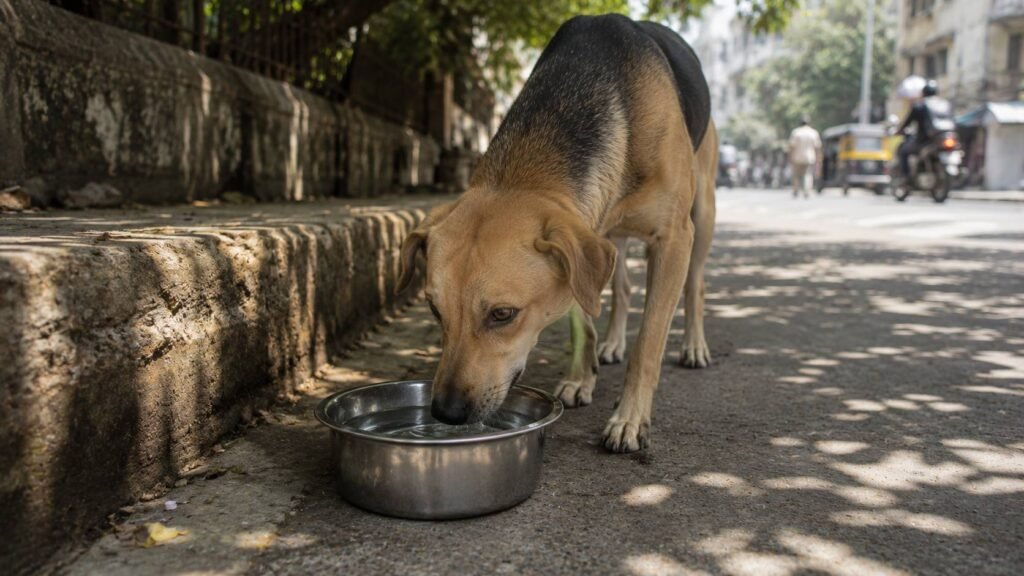
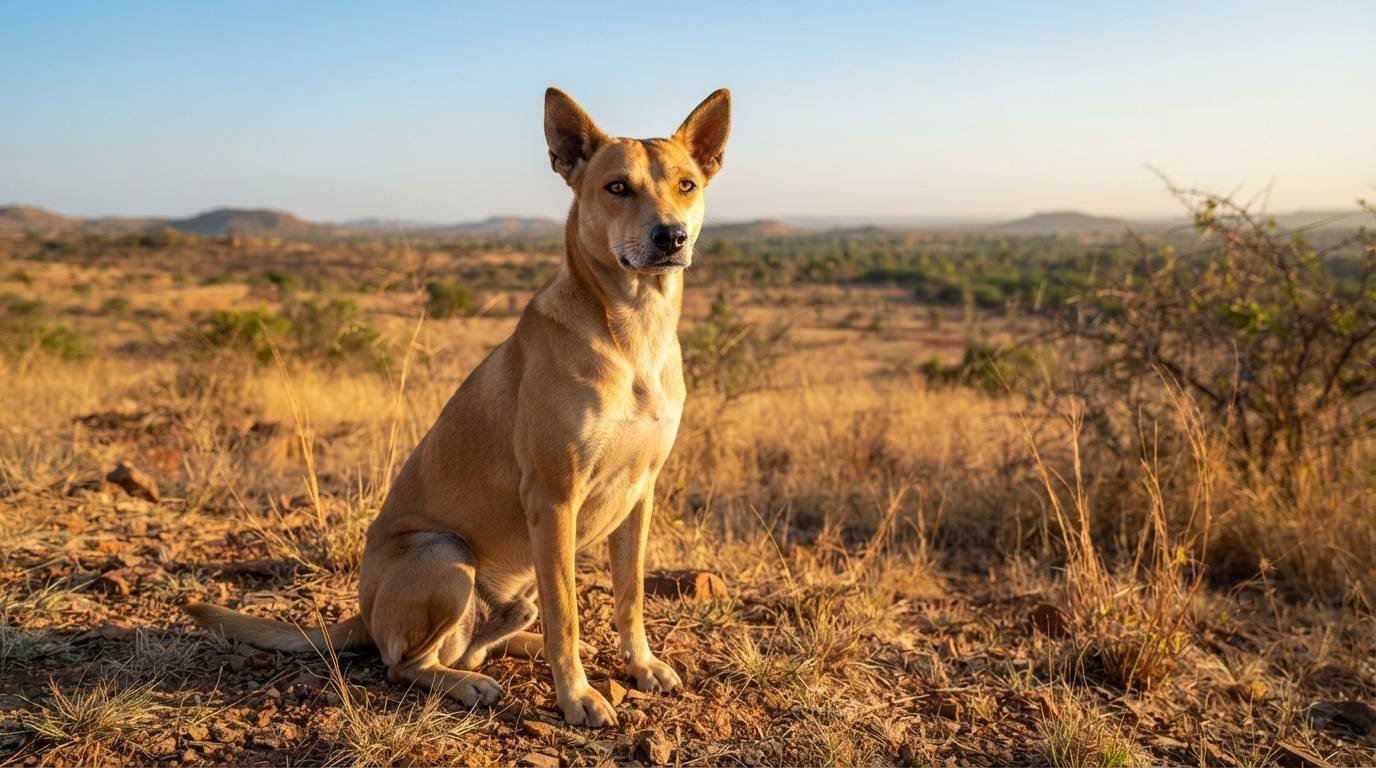
- For street dogs and community animals, leaving out a bowl of fresh water is a small act that genuinely saves lives during Indian summers.
- Watch for dehydration in cats, who often don’t show obvious thirst cues even when they need fluids.
Key Takeaways
- Dogs and cats cool down far less efficiently than humans, making Indian summer heat a real physical risk, not just discomfort.
- Timing walks for early morning or evening and testing pavement heat with your hand prevents most paw-burn and exertion-related overheating.
- Flat-faced breeds, seniors, puppies, overweight pets, and thick-coated dogs need closer monitoring.
- Early signs like heavy panting and restlessness can escalate to heat stroke within a short window, so quick action matters.
- Cool (not ice-cold) water, shade, and a fan are the correct first response while heading to a vet.
Frequently Asked Questions
1. What is the safest time to walk my dog during Indian summer?
Early morning before sunrise gets too intense, or after sunset once the ground has cooled, are the safest windows. Midday walks risk both paw burns from hot pavement and heat exhaustion.
2. Should I shave my dog’s coat to help it stay cool?
Generally, no. For double-coated breeds, the undercoat insulates against heat and protects against sunburn. Regular brushing to remove loose fur works better than shaving.
3. How do I know if my pet is dehydrated in summer?
Signs include dry or sticky gums, reduced skin elasticity (a gentle skin-pinch test that doesn’t spring back quickly), lethargy, and reduced urination. If in doubt, a vet visit is the safest option.
4. Can cats get heat stroke too?
Yes, though cats show it more subtly than dogs. Watch for excessive grooming, lethargy, open-mouth breathing (unusual for cats), or hiding in unusually cool spots like bathroom floors.
5. Is it safe to give my pet ice cubes or very cold water?
Ice cubes in a water bowl are generally fine since the water gradually cools rather than shocking the system. However, avoid ice baths or extremely cold water directly on an overheated pet’s skin, as it can worsen the situation.
6. What should I do if I see a street dog struggling in the heat?
Offer water in a wide, stable bowl and guide them toward shade if possible. If they show signs of heat stroke — collapse, seizures, disorientation — contact a local animal welfare organization or veterinary clinic immediately.
7. Are cooling mats and cooling vests actually effective?
Yes, gel-based cooling mats and evaporative cooling vests can meaningfully lower a pet’s surface temperature, particularly useful during power cuts or for pets that spend time outdoors.
Conclusion
Keeping pets cool in Indian summer heat comes down to a handful of consistent habits: smart timing for walks, constant access to fresh water, a cool resting spot indoors, and knowing the early warning signs of heat stress before they escalate. None of this requires expensive equipment — mostly it requires attention and a bit of planning around India’s harshest hours of the day. Pay attention to your specific pet’s risk factors, keep water bowls filled through the day, and when in doubt about symptoms, call your vet rather than waiting it out. A little precaution through April, May, and June goes a long way toward a safe, comfortable summer for your pet.

1 thought on “How to Keep Pets Cool in Indian Summer”
Comments are closed.