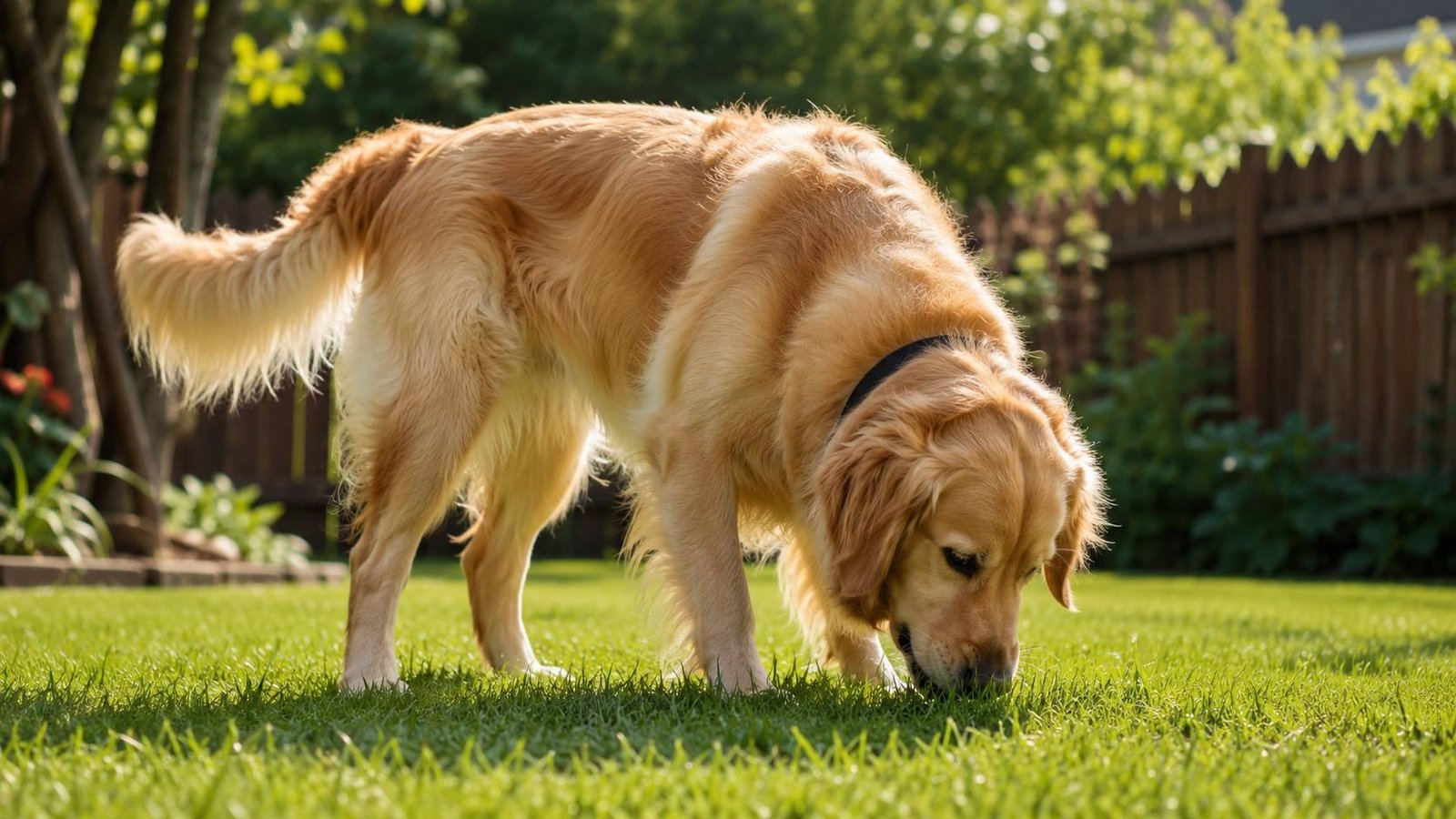
If you’ve ever watched your dog march straight past their food bowl to graze on the lawn instead, you’re not alone in wondering what’s going on. Grass-eating is one of the most common — and most misunderstood — canine behaviors. Some owners assume it means their dog is sick. Others worry it’s a sign of nutritional deficiency. In most cases, neither is true.
This article breaks down what veterinary research and clinical experience actually say about why dogs eat grass, when it’s harmless, and when it’s worth a call to your vet.
Is It Normal for Dogs to Eat Grass?
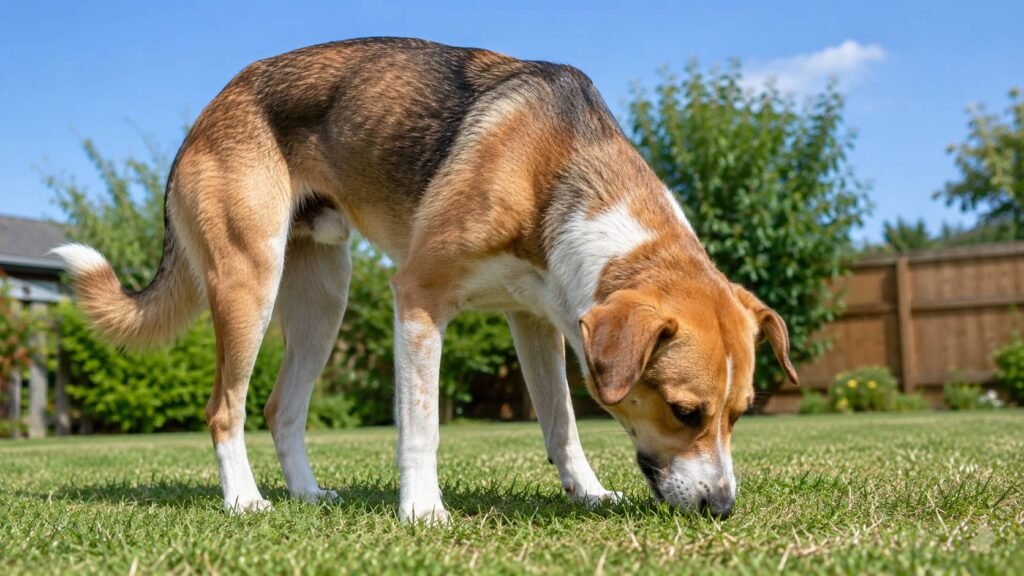
Yes — grass-eating is a normal, common behavior in dogs, not a rare quirk. A frequently cited 2008 study from the University of California, Davis, surveyed dog owners and found that a large majority of dogs had eaten grass or plants at some point, and only a small fraction showed signs of illness beforehand or vomited afterward. That’s an important distinction: most dogs who eat grass aren’t sick, and most don’t throw up.
Wild canines like wolves and coyotes have also been observed consuming plant matter, suggesting this behavior may have roots that go back further than domestication itself.
Why Does My Dog Eat Grass? The Main Theories
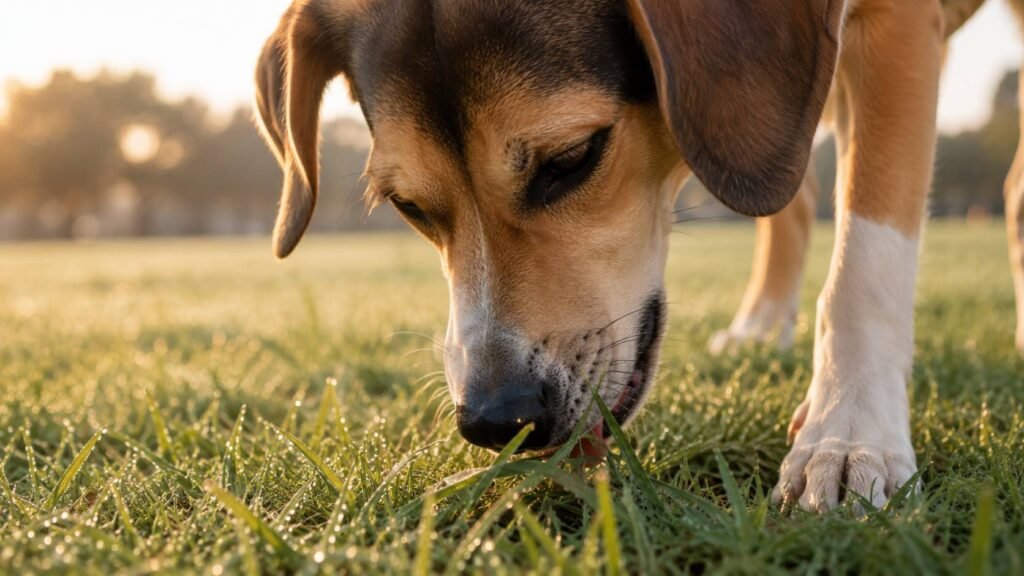
There’s no single confirmed reason dogs eat grass. Veterinary behaviorists generally point to a handful of overlapping explanations.
1. It’s Instinctive, Not a Red Flag
Dogs are technically omnivores, and their wild ancestors likely consumed plant material as part of a varied diet — sometimes directly, sometimes via the stomach contents of prey. Grass-eating today may simply be a leftover instinct rather than a response to any specific problem.
2. Dogs Might Just Like the Taste or Texture
This one surprises a lot of owners, but it’s worth taking seriously: dogs may eat grass purely because they enjoy it. Fresh, dewy grass in spring often gets more attention than dry, brittle grass in late summer, which hints at a texture or flavor preference rather than a medical need.
3. Boredom or Habit
Dogs left alone in a yard for long stretches, or those without much mental stimulation, sometimes graze the way a bored person might snack. If grass-eating ramps up alongside other signs of understimulation — excessive digging, chewing furniture, or restlessness — boredom is a reasonable explanation to consider.
4. Mild Stomach Upset
Some dogs do eat grass when their stomach feels off, and a portion of them vomit afterward. However, the UC Davis research found this pattern in a minority of cases, not the majority — so an upset stomach explains some instances but isn’t the default reason.
5. Attention-Seeking Behavior
If grazing reliably gets a reaction from you — even a mildly annoyed “hey, don’t eat that!” — some dogs learn to repeat the behavior simply because it gets your attention.
Should You Be Worried? When Grass-Eating Signals a Problem

In most healthy dogs, occasional grass-eating isn’t something to stress over. That said, context matters. Talk to your vet if you notice any of the following alongside grass-eating:
- Frequent vomiting after eating grass, not just occasionally
- Sudden, dramatic increase in grazing behavior
- Signs of nausea like lip-licking, drooling, or lethargy
- Diarrhea, appetite loss, or weight loss
- Grass-eating combined with eating non-food items (a behavior called pica)
Pica — eating things like dirt, rocks, or fabric — is different from grass-eating and can sometimes point to underlying issues such as nutritional gaps or gastrointestinal disease. If your dog’s grazing looks compulsive or is paired with other odd eating habits, that’s worth flagging to a veterinarian rather than assuming it’s harmless.
Is Grass-Eating Dangerous for Dogs?
Generally, no — grass itself isn’t toxic to dogs. But there are real risks worth knowing about:
| Risk Factor | Why It Matters |
|---|---|
| Pesticides and herbicides | Lawns treated with chemicals can cause stomach upset or, in larger amounts, more serious toxicity |
| Fertilizers | Some fertilizers contain ingredients unsafe for dogs if ingested in quantity |
| Toxic plants mixed in with grass | Certain common garden plants are poisonous to dogs and easy to miss during grazing |
| Parasites | Grass can carry eggs from intestinal parasites like roundworms, especially in areas other animals frequent |
| Blade injuries | Coarse or long grass can occasionally cause minor mouth or throat irritation |
If you use lawn treatments, check the product label for pet-safety guidance and any recommended waiting period before letting your dog back on treated grass.
What To Do If Your Dog Eats Grass Too Much

If grazing seems excessive, here’s a practical approach:
- Rule out medical causes first. Book a vet visit if grass-eating is frequent, sudden, or paired with other symptoms.
- Check their diet. Make sure your dog is on a complete, balanced food appropriate for their age and size — ask your vet if you’re unsure.
- Increase mental and physical stimulation. More walks, puzzle toys, and play can reduce boredom-driven grazing.
- Supervise outdoor time. Keep an eye on what your dog is actually eating outside, especially in shared or public green spaces.
- Avoid treated lawns. Skip areas recently sprayed with pesticides, herbicides, or fertilizers.
- Offer safe alternatives. Some owners grow dog-safe wheatgrass or cat grass indoors as a controlled way to satisfy the chewing urge.
Key Takeaways
- Grass-eating is common and usually normal — most dogs who do it aren’t sick and don’t vomit afterward.
- Leading theories include instinct, taste preference, boredom, mild stomach upset, and attention-seeking.
- It becomes a concern when paired with frequent vomiting, lethargy, diarrhea, or eating non-food items.
- Treated lawns and toxic plants are bigger risks than the grass itself.
- When in doubt, a quick check-in with your vet can rule out anything serious.
Frequently Asked Questions
Does my dog eat grass to make himself throw up?
Not usually. Research suggests most dogs eating grass show no signs of illness beforehand and don’t vomit afterward, which contradicts the popular idea that they’re self-medicating to induce vomiting.
Is it safe to let my dog eat grass in the park?
It’s generally low-risk, but public parks can carry pesticide residue or parasite eggs from other animals. Supervising your dog and avoiding recently treated areas is the safer approach.
Should I stop my dog from eating grass?
You don’t need to actively prevent occasional grazing on untreated, pesticide-free grass. If it’s excessive or paired with other symptoms, address the underlying cause rather than just stopping the behavior itself.
Can puppies eat grass safely?
Puppies are more curious and prone to eating things they shouldn’t, so supervision matters more with them. Occasional grass-nibbling isn’t usually dangerous, but keep an eye out for toxic plants nearby.
Does grass have any nutritional value for dogs?
Grass isn’t a meaningful source of nutrition for dogs and shouldn’t replace a balanced diet. Any nutritional theory behind grass-eating remains unproven rather than established fact.
When should I take my dog to the vet for eating grass?
See a vet if grazing is frequent, sudden, accompanied by vomiting, diarrhea, lethargy, or if your dog is also eating non-food items like rocks or fabric.
Do certain dog breeds eat grass more than others?
There’s no strong breed-specific pattern confirmed in research; grass-eating appears to vary more by individual dog and environment than by breed.
Conclusion
For most dogs, munching on grass is simply part of being a dog — driven by instinct, taste, boredom, or plain curiosity rather than illness. The behavior only becomes a genuine concern when it’s frequent, sudden, or shows up alongside other symptoms like vomiting, lethargy, or appetite changes. Keep your dog off treated lawns, watch for toxic plants, and if something about their grazing feels off, a quick vet visit will give you real answers instead of guesswork.