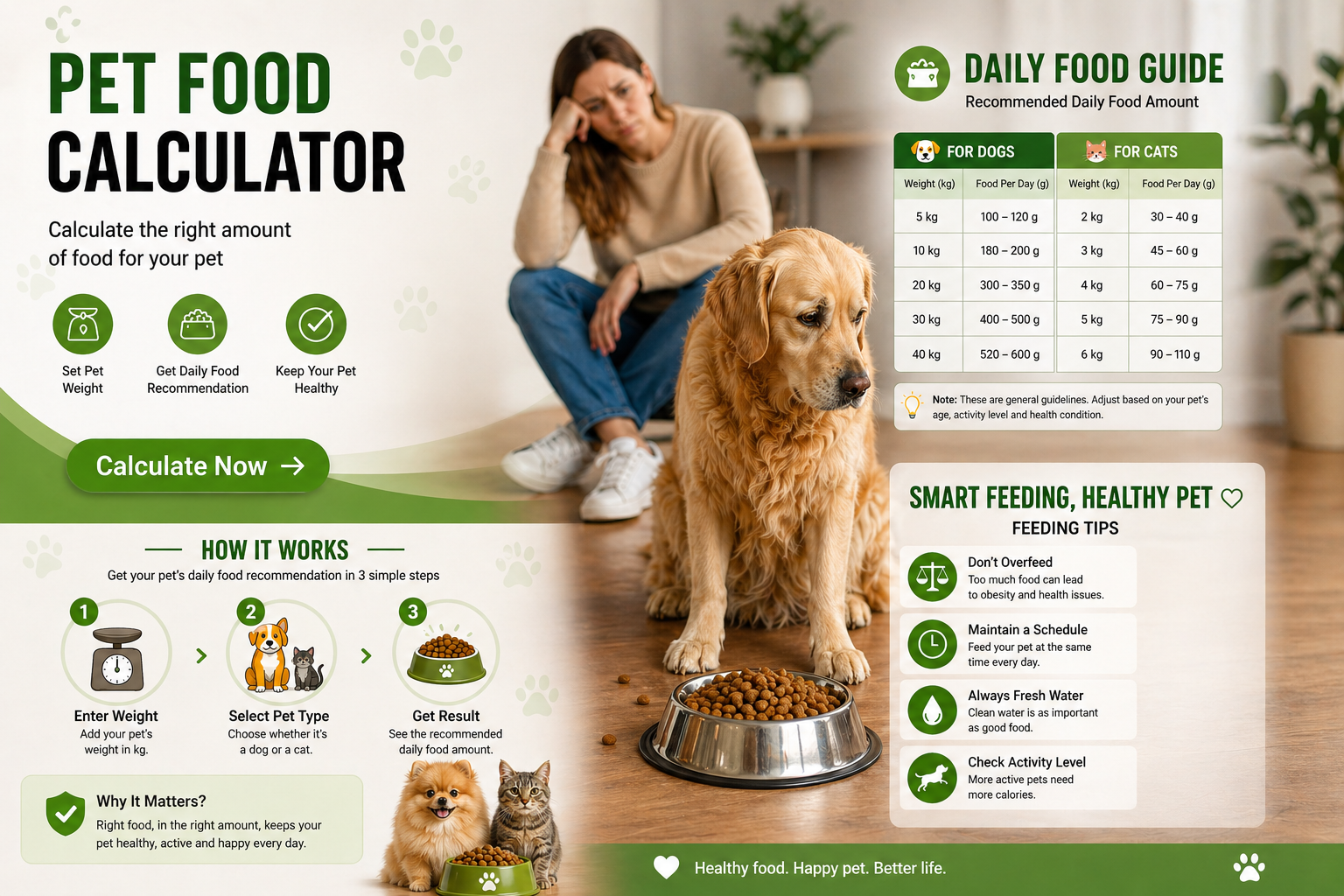
If your dog is not eating food, it can be stressful and confusing. However, in many cases, it’s not a serious issue. Small changes in routine, weather, or diet can affect your dog’s appetite.In this guide, you’ll learn 5 practical and effective tips to help your dog start eating again.
🤔 Why Is Your Dog Not Eating?
Before fixing the problem, it’s important to understand the cause. Common reasons include:
- Sudden diet changes
- Summer heat or dehydration
- Stress or environmental changes
- Digestive issues
If your dog seems weak or avoids food for more than 2 days, consult a vet.
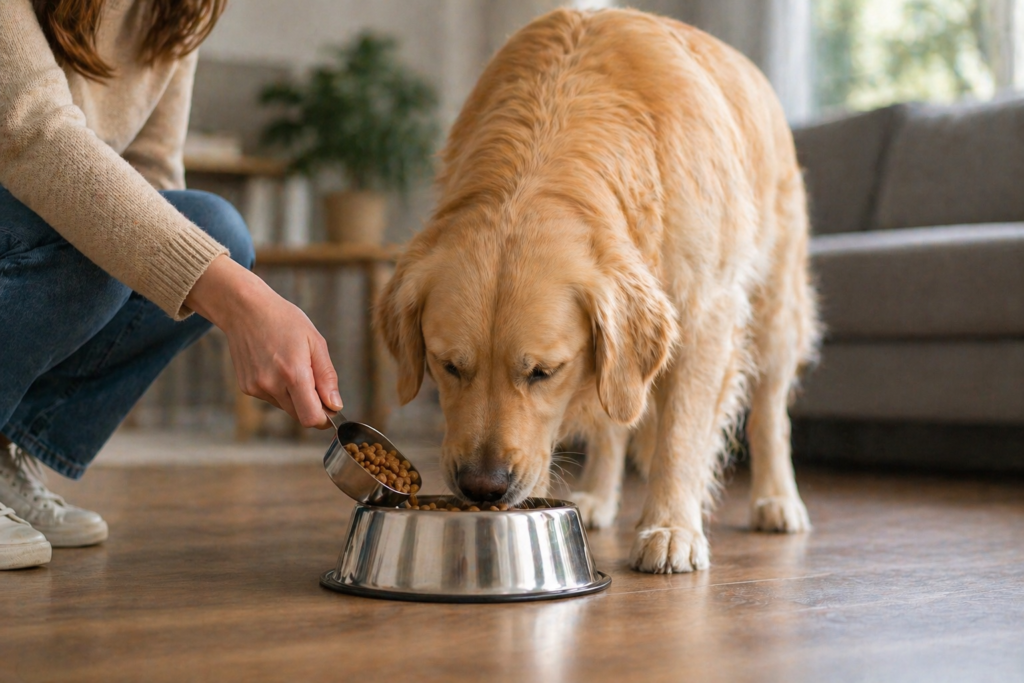
🍽️ Tip 1: Give Small & Frequent Meals
Heavy meals can make things worse:
- Avoid oily or heavy chicken meals
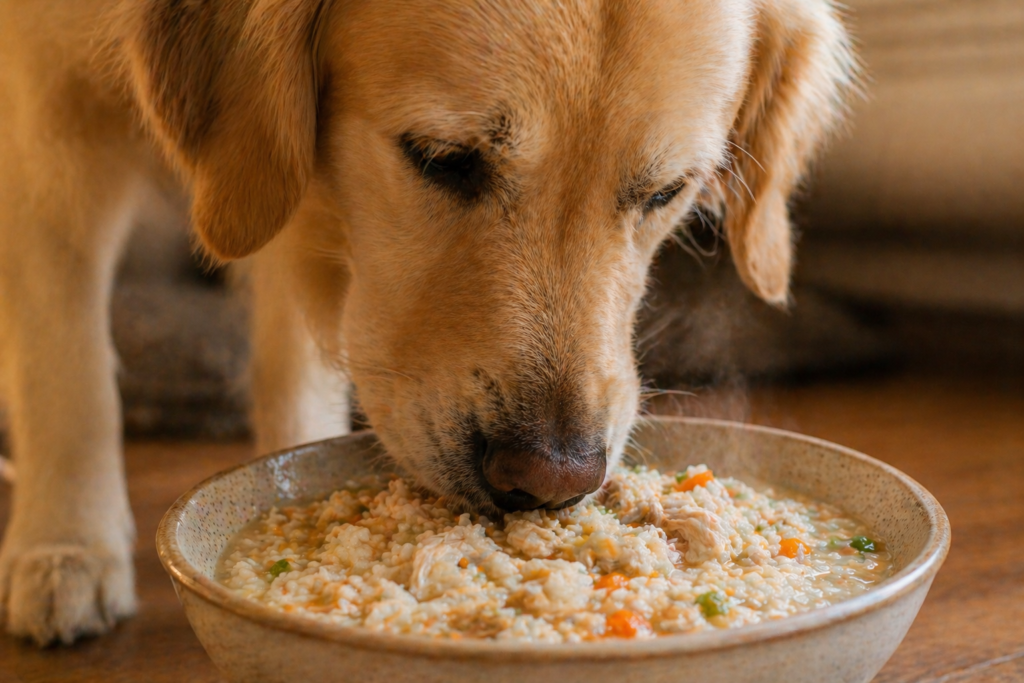
- Try lukewarm rice mixed with light gravy
- Soft food is easier to eat and digest
👉 This makes eating more comfortable for your dog.
🎃 Tip 3: Add Pumpkin for Better Digestion
Pumpkin is a natural digestive booster:
- Improves digestion
- Supports gut health
- Helps with stomach issues
👉 A simple and safe home remedy.

💧 Tip 4: Keep Your Dog Hydrated
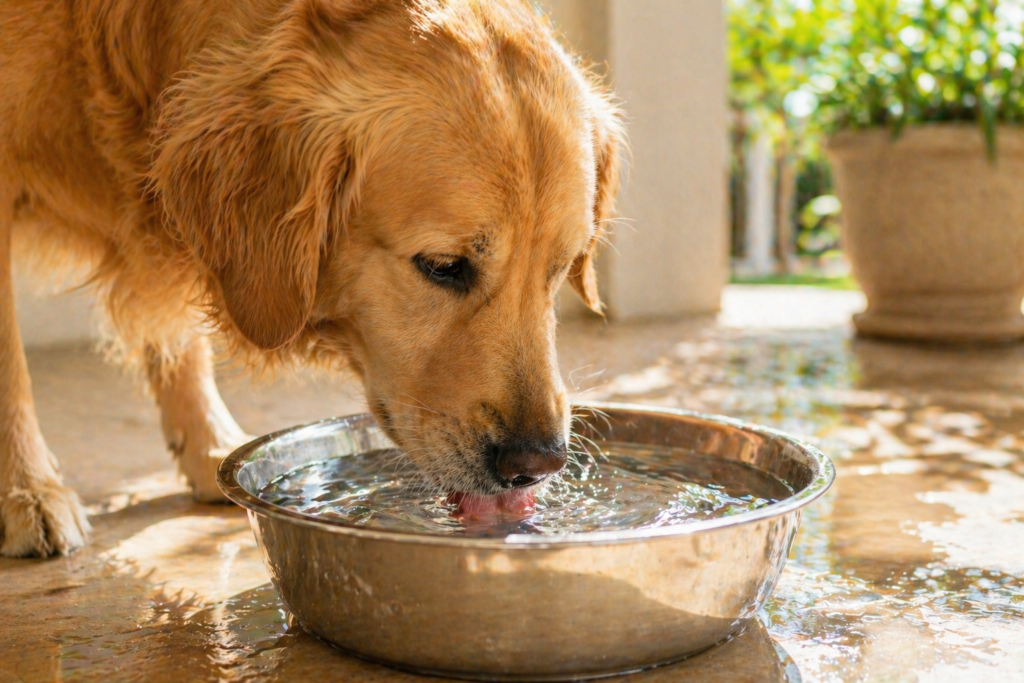
Hydration is crucial, especially in summer:
- Provide fresh water 4–5 times daily
- You can give pet-safe ORS water
- Prevent dehydration
👉 Proper hydration boosts energy and appetite
🌿 Tip 5: Reduce Stress & Maintain Routine
Stress can reduce appetite:
- Keep surroundings calm
- Maintain a consistent routine
- Avoid excessive heat exposure
👉 A stress-free dog eats better.

⚠️ When to Visit a Vet?
Consult a veterinarian if:
Extreme weakness is visible
Your dog hasn’t eaten for 2–3 days
Vomiting or diarrhea occurs
🐾 Final Thoughts
Loss of appetite in dogs is common, but with the right care and simple changes, it can be managed easily. Stay patient and observe your dog’s behavior closely.