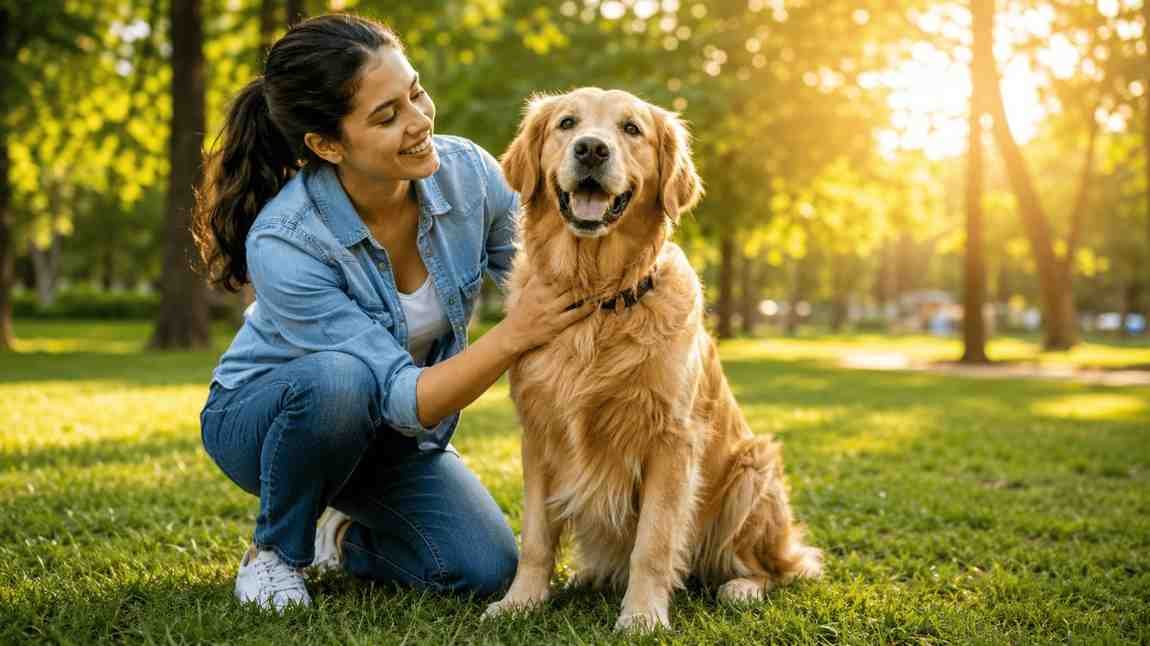
9 Essential Dog Health Tips Every Dog Owner Should Know on National Dog Day 2026
Focus Keywords: Dog health tips, Dog owner tips, National Dog Day, Healthy dog care
National Dog Day is more than a celebration of our furry companions. It is also the perfect reminder to review your dog’s health and well-being. Every dog owner wants their pet to live a long, active, and happy life. However, good intentions alone are not enough. Consistent care, preventive measures, and informed decisions play a major role in keeping dogs healthy.
According to veterinary organizations such as the American Veterinary Medical Association (AVMA) and the American Animal Hospital Association (AAHA), preventive healthcare remains one of the most effective ways to improve a dog’s quality of life.
Whether you are a first-time pet parent or an experienced dog lover, these practical dog health tips can help you provide better care for your four-legged friend.
Why National Dog Day Matters
National Dog Day is celebrated every year on August 26. Animal welfare advocate Colleen Paige founded the day in 2004 to recognize the importance of dogs in our lives and encourage pet adoption.
While treats and extra belly rubs are always welcome, National Dog Day also serves as a reminder to focus on healthy dog care habits that often get overlooked during busy schedules.
Let’s explore nine essential dog owner tips that can make a real difference in your dog’s health.
1. Feed a Balanced and Complete Diet
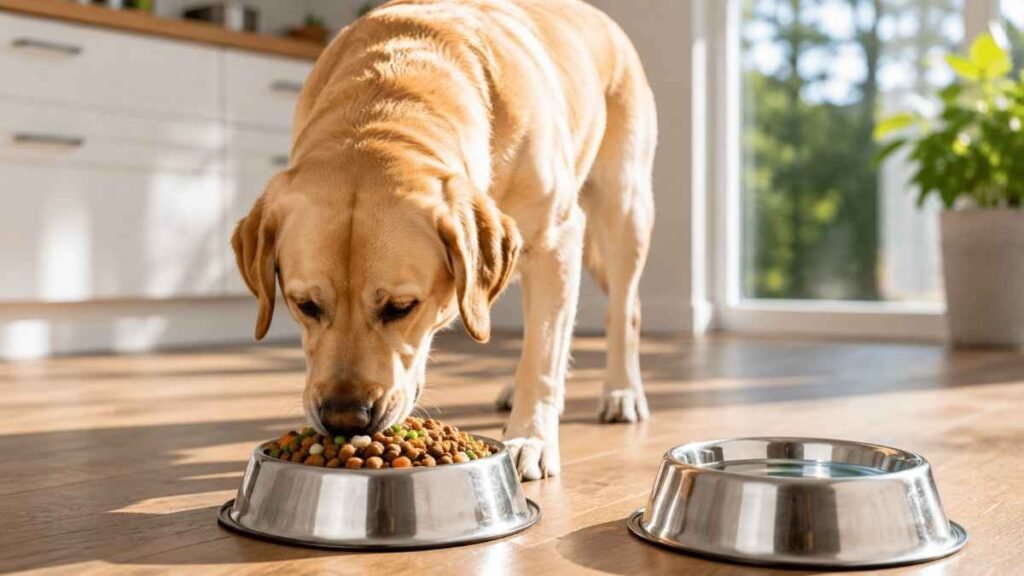
Nutrition forms the foundation of your dog’s overall health.
Dogs need a balanced diet that contains appropriate levels of protein, fats, carbohydrates, vitamins, and minerals. Feeding a diet that meets standards established by the Association of American Feed Control Officials (AAFCO) helps ensure nutritional completeness.
Avoid making frequent diet changes without consulting your veterinarian. Sudden switches may cause digestive issues such as diarrhea or stomach upset.
Healthy Feeding Habits
- Choose age-appropriate food for puppies, adults, or senior dogs.
- Follow feeding guidelines based on your dog’s weight and activity level.
- Provide fresh water throughout the day.
- Limit table scraps and high-calorie treats.
A healthy diet supports immunity, energy levels, muscle development, and long-term wellness.
Recommended Product:Dog Toothbrush Kit
2. Maintain a Healthy Weight
Many dog owners express love through food. Unfortunately, dogs often pay the price.
The Association for Pet Obesity Prevention reports that excess weight remains one of the most common health issues in pets. Obesity increases the risk of diabetes, arthritis, heart disease, and reduced lifespan.
Signs Your Dog May Be Overweight
- Difficulty feeling the ribs beneath the skin.
- Reduced energy during walks.
- Noticeable fat deposits around the waist.
- Trouble climbing stairs or jumping.
Think of your dog’s waistline like your phone battery. The heavier the load, the harder it works.
Regular exercise and portion control help maintain a healthy weight.
Recommended Product: Interactive Puzzle
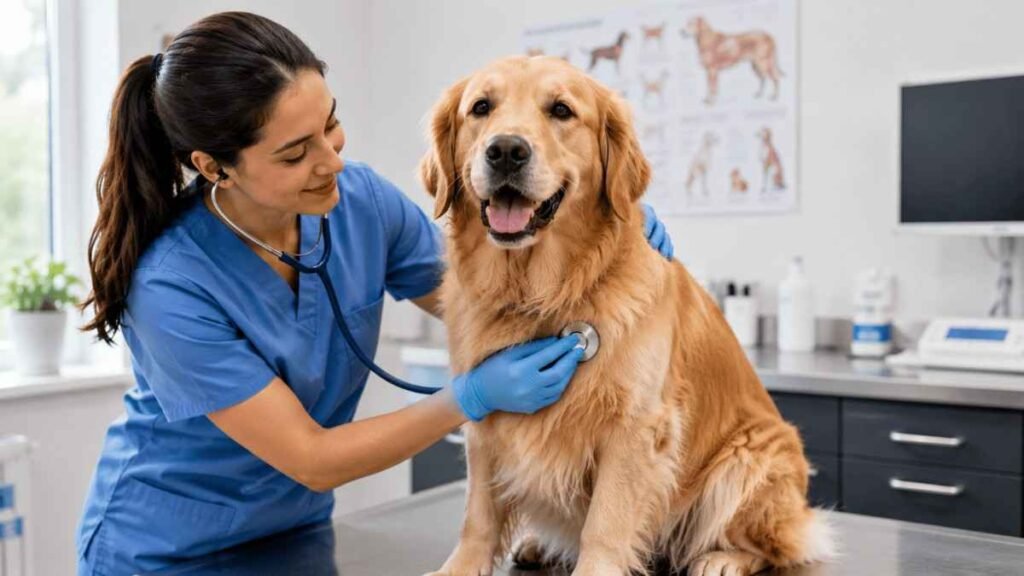
3. Schedule Regular Veterinary Checkups
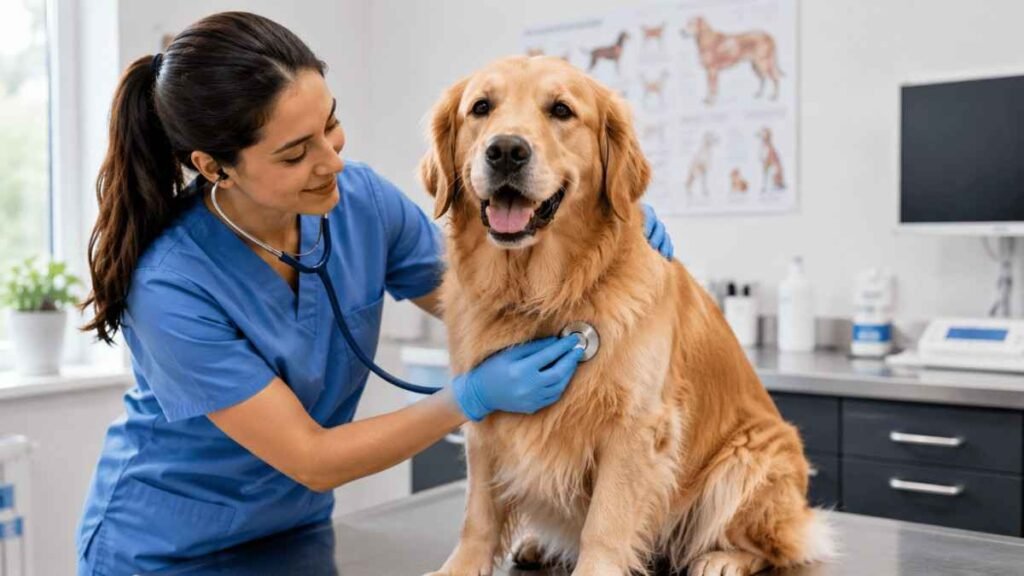
Dogs cannot tell us when something feels wrong. That is why routine veterinary visits are so important.
Annual wellness exams allow veterinarians to identify potential problems before they become serious. Senior dogs often benefit from more frequent checkups because age-related conditions can develop quickly.
Benefits of Preventive Vet Visits
- Early disease detection.
- Vaccination updates.
- Dental assessments.
- Parasite screening.
- Nutritional guidance.
Preventive care often costs less than treating advanced illnesses later.
Recommended Product: Dog food
4. Keep Vaccinations Up to Date
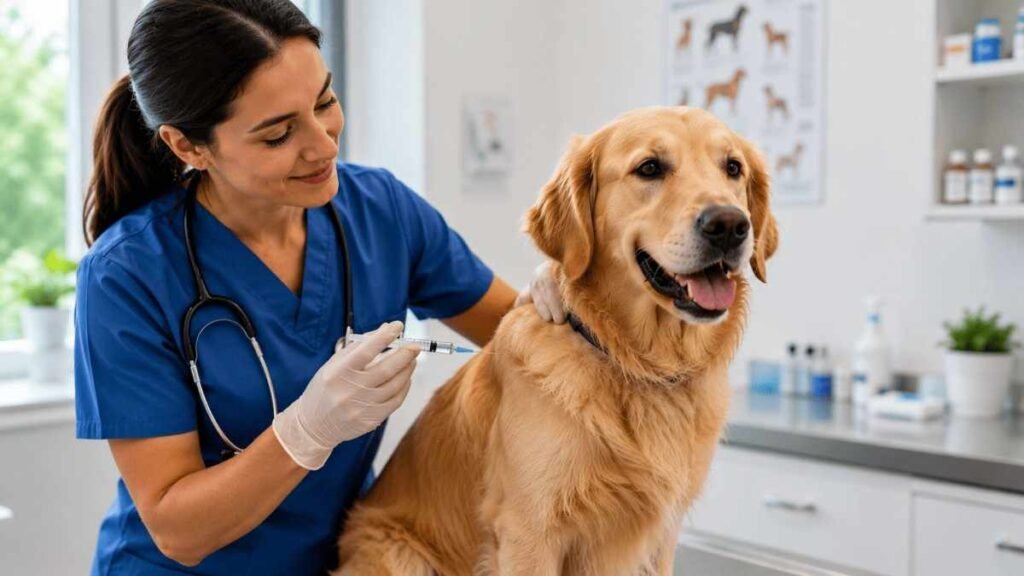
Vaccines protect dogs from several serious and potentially life-threatening diseases.
Core vaccinations generally include protection against:
- Rabies
- Distemper
- Parvovirus
- Adenovirus
Your veterinarian may recommend additional vaccines based on lifestyle, travel habits, and local disease risks.
Skipping vaccinations may leave your dog vulnerable to preventable illnesses. Staying current with vaccine schedules remains one of the simplest dog health tips every owner should follow.
Recommended Product: First aid aur health monitoring
5. Prioritize Daily Exercise
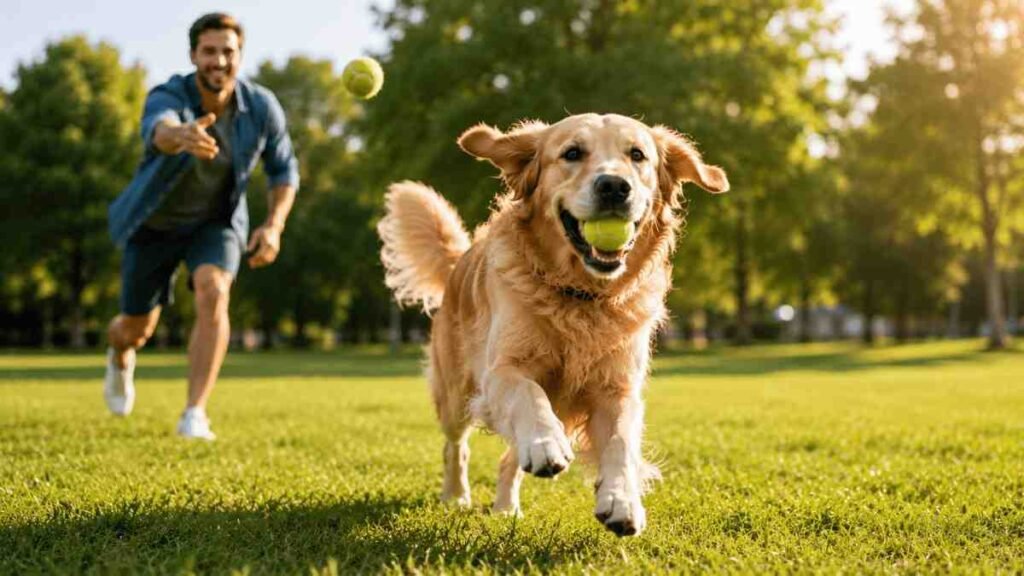
Exercise benefits both physical and mental health.
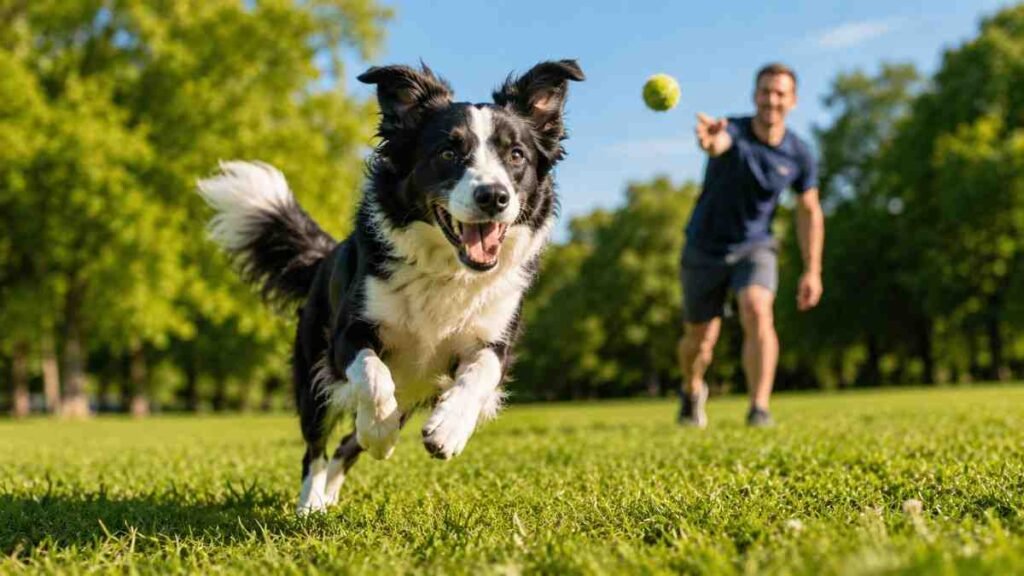
Different breeds require different activity levels. A Border Collie may crave long runs and mental challenges, while a Bulldog often prefers shorter walks and plenty of relaxation.
Easy Ways to Keep Dogs Active
- Daily walks.
- Fetch sessions.
- Interactive toys.
- Agility activities.
- Hiking adventures.
Regular exercise helps maintain a healthy weight, strengthens muscles, and reduces behavioral issues caused by boredom.
A tired dog often becomes a happier dog—and sometimes a quieter one too.
Recommended Product: dog toys
6. Don’t Ignore Dental Health
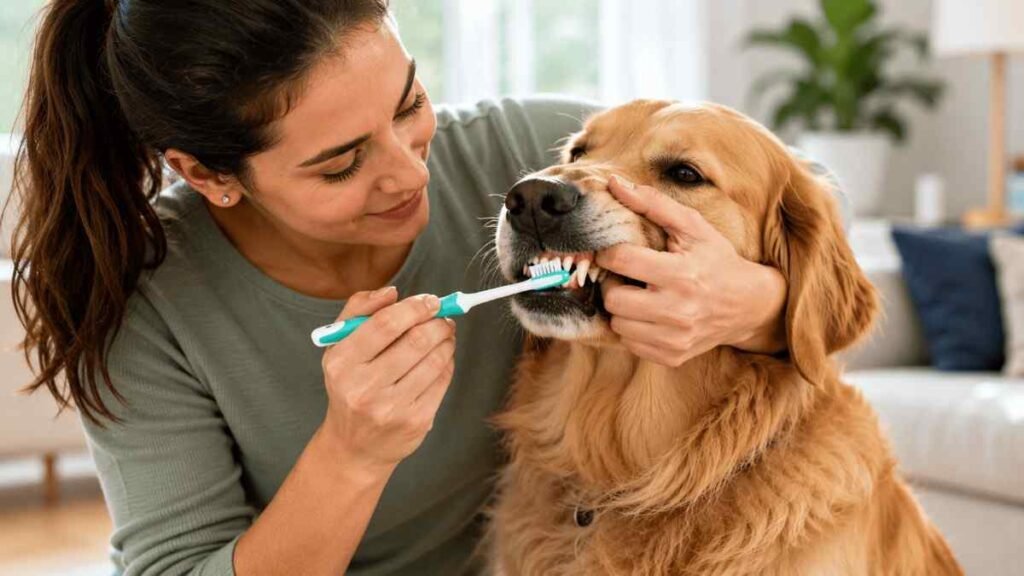
Dental care remains one of the most overlooked areas of healthy dog care.
The AVMA notes that many dogs show signs of dental disease by the age of three. Poor oral health can contribute to pain, tooth loss, and infections that affect other organs.
Dental Care Tips
- Brush your dog’s teeth regularly.
- Use veterinarian-approved dental chews.
- Schedule professional cleanings when needed.
- Watch for bad breath or inflamed gums.
Bad breath should not be considered normal. It often signals underlying dental problems.
Healthy teeth support overall health and improve quality of life.
Recommended Product: Dental care
7. Protect Against Fleas, Ticks, and Parasites
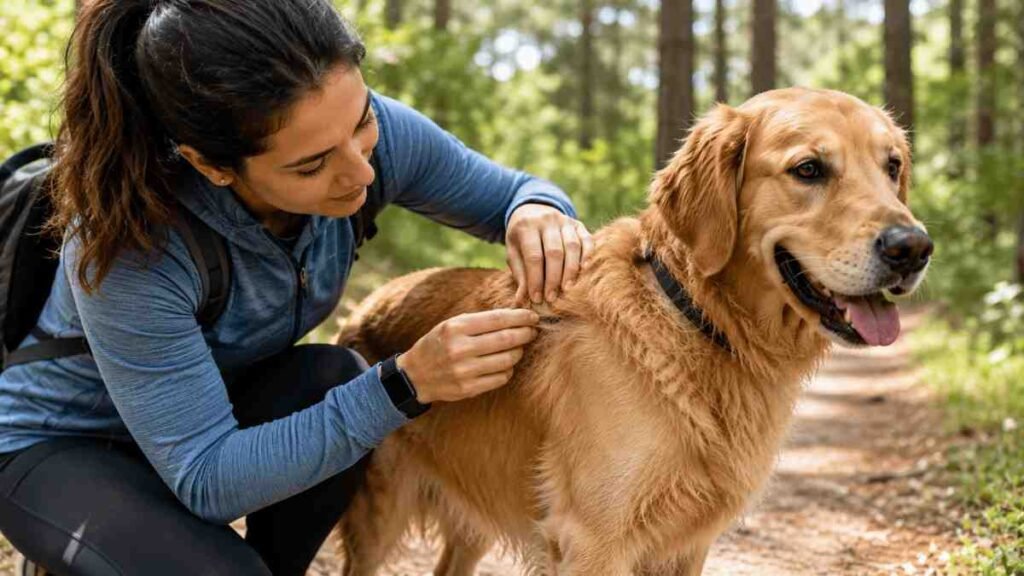
Parasites can cause discomfort and serious health complications.
Fleas may trigger skin allergies, while ticks can transmit diseases. Intestinal parasites may also affect nutrient absorption and digestive health.
Prevention Strategies
- Use veterinarian-recommended parasite preventives.
- Inspect your dog after outdoor activities.
- Keep living areas clean.
- Follow deworming schedules recommended by your veterinarian.
Parasite prevention works best when practiced consistently throughout the year.
8. Support Mental Stimulation

Physical exercise alone is not enough.
Dogs need mental enrichment to stay engaged and emotionally healthy. Intelligent breeds especially thrive when they have opportunities to solve problems and learn new skills.
Mental Enrichment Ideas
- Puzzle feeders.
- Training sessions.
- Scent games.
- New walking routes.
- Interactive toys.
Imagine spending every day in the same room with nothing to do. Dogs feel boredom too.
Mental stimulation reduces stress and helps prevent destructive behaviors such as excessive chewing or digging.
Recommended Product: puzzle solve
9. Learn to Recognize Early Warning Signs
Early detection often leads to better outcomes.
Many health problems start with subtle symptoms that are easy to overlook.
Watch for These Signs
- Loss of appetite.
- Sudden weight changes.
- Excessive drinking.
- Vomiting or diarrhea.
- Persistent coughing.
- Changes in behavior.
- Difficulty walking.
- Unusual lumps or swelling.
If something seems unusual, contact your veterinarian rather than waiting for symptoms to worsen.
Trust your instincts. You know your dog better than anyone else.
National Dog Day 2026: A Perfect Time to Review Your Dog’s Health
National Dog Day offers an excellent opportunity to evaluate your dog’s daily routine.
Ask yourself:
- Is my dog receiving enough exercise?
- Are vaccinations current?
- When was the last veterinary visit?
- Am I providing proper dental care?
- Does my dog maintain a healthy weight?
Small improvements made today can have a lasting impact on your dog’s future health.
Final Thoughts
Being a responsible pet parent does not require perfection. It requires consistency.
These essential dog health tips focus on preventive care, balanced nutrition, regular exercise, veterinary attention, and mental enrichment. Together, these habits create a strong foundation for lifelong health and happiness.
As you celebrate National Dog Day 2026, take a moment to appreciate the loyalty, companionship, and joy your dog brings into your life. Then give them something even more valuable than an extra treat—a commitment to healthier care every day.
Sources
American Kennel Club (AKC) – akc.org
American Veterinary Medical Association (AVMA) – avma.org
American Animal Hospital Association (AAHA) – aaha.org
Association of American Feed Control Officials (AAFCO) – aafco.org
Association for Pet Obesity Prevention (APOP) – petobesityprevention.org