If you’ve ever stepped barefoot onto a slimy, tube-shaped surprise in the middle of the night, you already know what this article is about. Hairballs are one of those unglamorous realities of cat ownership that nobody warns you about until you’re the proud owner of a carpet stain shaped suspiciously like a hot dog.
The good news: most hairballs are harmless. The better news: with the right cat hairball remedies, you can cut down how often they happen — and know when an occasional hairball is actually a sign of something more serious.
This guide walks through why hairballs form, which cat hairball remedies actually work, and which cat hairball blockage symptoms should send you straight to the vet.
What Causes Hairballs in Cats?
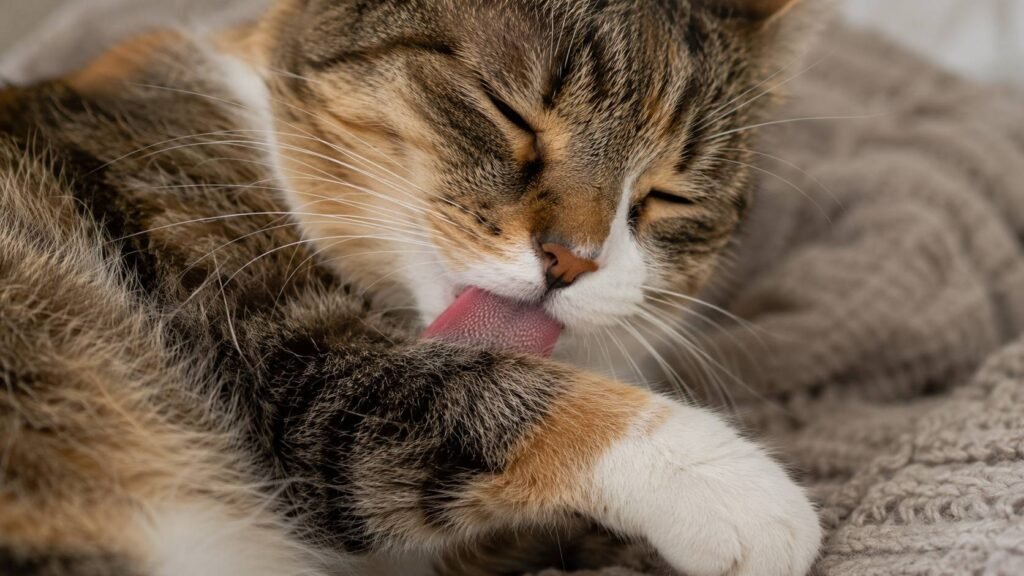
Hairballs form because cats are meticulous groomers. Their tongues are covered in tiny, backward-facing hooks called papillae, which catch loose fur every time they lick themselves. Most of that fur gets swallowed.
Normally, swallowed hair passes harmlessly through the digestive tract and comes out the other end. But when hair accumulates faster than it can move through, it clumps together in the stomach and eventually gets vomited back up as a hairball.
Several factors make hairballs more common:
- Long or thick coats — Persians, Maine Coons, and other long-haired breeds shed more loose fur.
- Heavy shedding seasons — spring and fall shedding cycles increase fur intake.
- Excessive grooming — often linked to stress, boredom, skin allergies, or fleas.
- Age — older cats sometimes groom less effectively, while very fastidious younger cats may over-groom.
- Underlying skin conditions — itchy or irritated skin leads to more licking, and more licking means more swallowed hair.
A hairball once in a while is normal cat behavior. Frequent hairballs, on the other hand, usually point to an underlying cause worth addressing rather than a problem to just live with.
Cat Hairball Blockage Symptoms to Watch For
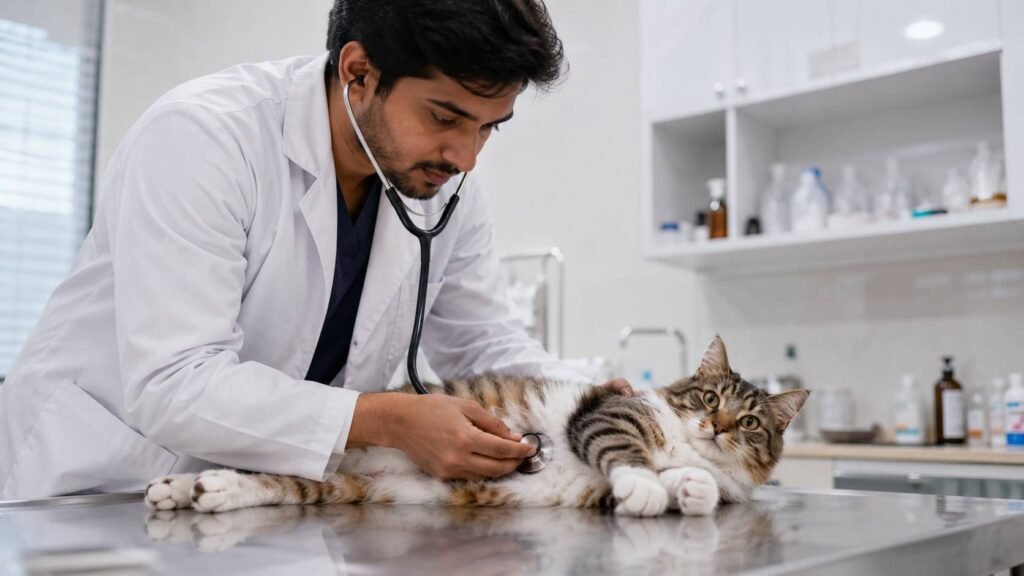
Most hairballs come up with a bit of retching and are over in seconds. But occasionally, hair can form a mass too large to pass either up or down, creating a blockage in the stomach or intestines. This is a genuine emergency.
Contact your veterinarian promptly if you notice:
- Repeated unproductive retching or gagging without producing a hairball
- Loss of appetite lasting more than a day
- Lethargy or noticeable low energy
- Constipation or visibly straining in the litter box
- A hard, swollen abdomen
- Vomiting that continues for more than 24 hours
According to the Cornell Feline Health Center, while hairballs themselves are common and usually harmless, a true intestinal blockage from hair (trichobezoar) can require surgical removal if left untreated. That distinction matters — don’t wait it out if your cat is showing multiple symptoms at once.
Cat Hairball Remedies That Actually Work
1. Brush More, Not Less
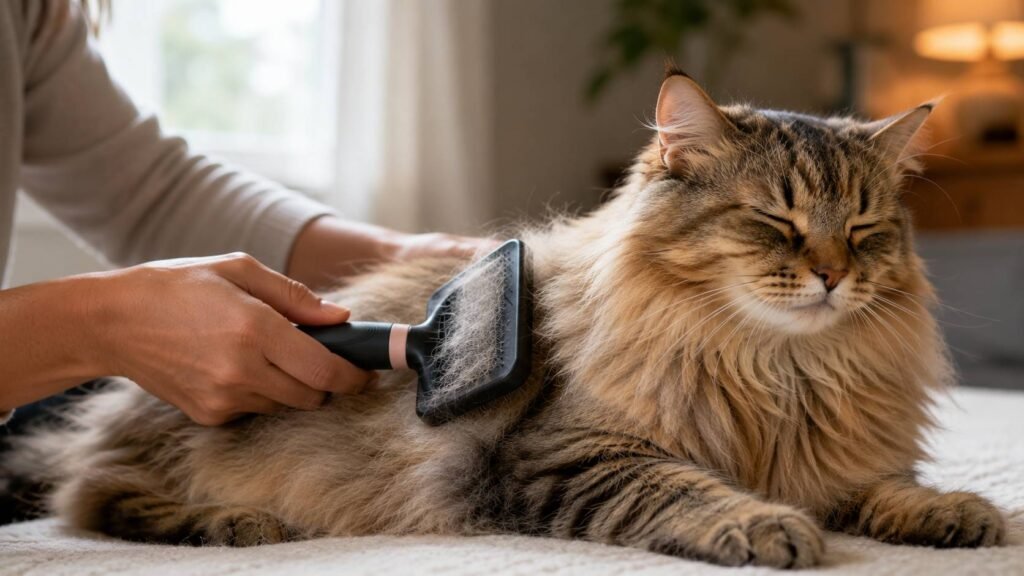
The single most effective of all cat hairball remedies is also the simplest: regular brushing removes loose fur before your cat swallows it. Short-haired cats generally do well with a weekly brushing session, while long-haired breeds often benefit from brushing every day or two, especially during shedding season.
2. Try a Hairball-Control Diet
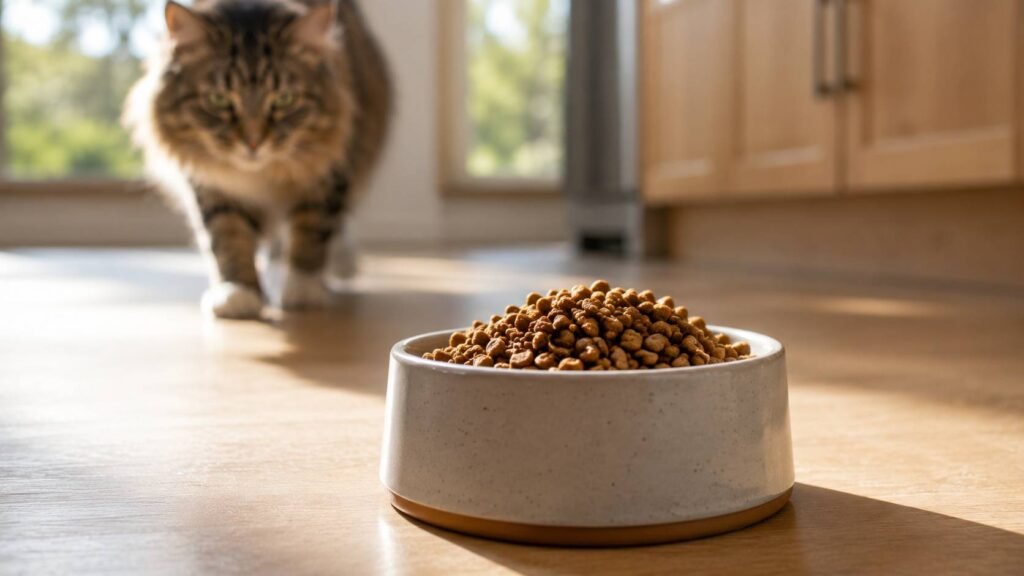
Several major pet food brands, including Hill’s Science Diet, Royal Canin, and Purina, make formulas specifically designed to reduce hairballs. These typically combine higher fiber content with fatty acids that support healthy skin and coat, which in turn reduces excessive shedding. Check with your vet before switching foods, particularly if your cat has existing dietary needs.
3. Hairball Remedy Gels and Pastes
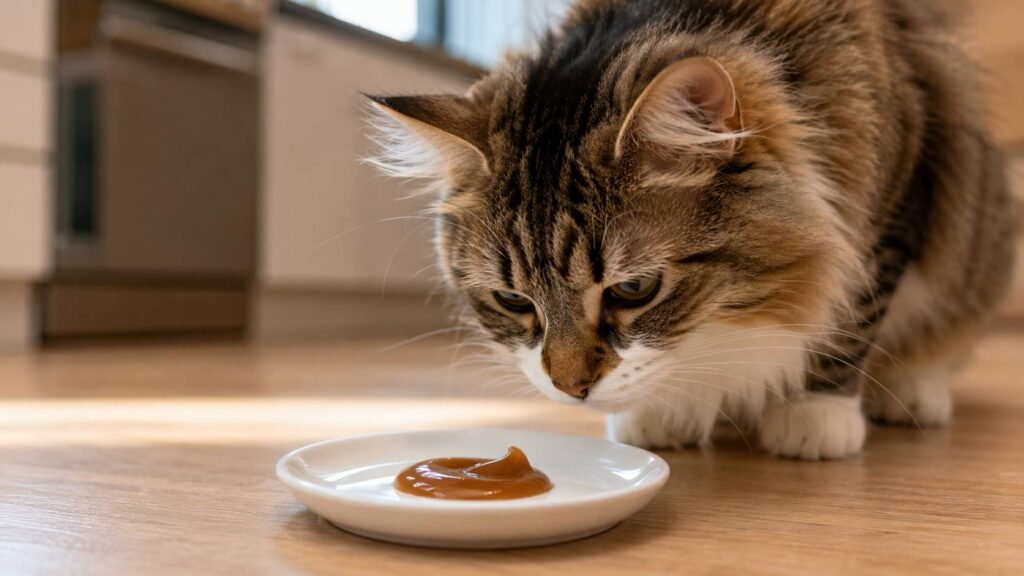
Petroleum-based or plant-oil-based hairball gels (such as Laxatone or Vetasyl-type products) work as a mild lubricant, helping swallowed hair pass through the digestive tract instead of clumping. These are widely available at pet stores and are generally safe for occasional use, though they shouldn’t replace a vet visit if hairballs are frequent.
4. Increase Water Intake
Hydration supports smoother digestion overall. A cat fountain, wet food, or simply adding an extra water bowl in a different room can encourage cats to drink more, which helps hair move through the gut rather than sitting and clumping.
5. Address the Root Cause of Over-Grooming
If your cat is licking excessively due to stress, fleas, or allergies, no amount of brushing will fully solve the hairball problem until that underlying trigger is addressed. A vet visit can rule out parasites or skin conditions and point you toward the right fix.
6. Enrichment and Play
Boredom and anxiety are common, often-overlooked causes of over-grooming in indoor cats. Adding scratching posts, interactive toys, window perches, or simply more playtime can reduce stress-related licking.
Prevention vs. Treatment: A Quick Comparison
| Approach | Best For | How It Helps |
|---|---|---|
| Regular brushing | All cats, especially long-haired | Removes loose fur before it’s swallowed |
| Hairball-control diet | Frequent hairball formers | Adds fiber and supports healthy shedding |
| Hairball gel/paste | Occasional relief | Lubricates the digestive tract |
| Increased hydration | General digestive health | Helps hair move through the gut |
| Vet evaluation | Recurring or severe hairballs | Identifies and treats root causes |
When to See a Vet

A hairball every few weeks generally isn’t cause for alarm. But if your cat is producing hairballs more than once a week, showing any of the blockage symptoms mentioned above, or seems otherwise unwell, it’s time for a professional exam. Your veterinarian can check for underlying issues like inflammatory bowel disease, food sensitivities, or parasites that home remedies won’t fix. Organizations like the American Association of Feline Practitioners also recommend routine wellness exams to catch these issues early, even before hairballs become frequent.
Key Takeaways
- Hairballs form when swallowed fur clumps together instead of passing through the digestive tract.
- Long-haired breeds, heavy shedders, and over-groomers are more prone to frequent hairballs.
- Regular brushing is the most effective of all cat hairball remedies.
- Hairball-control diets, gels, and better hydration can all help reduce frequency.
- Persistent vomiting, appetite loss, or a swollen abdomen are signs of a possible blockage and need immediate veterinary attention.
Frequently Asked Questions
How often is it normal for a cat to get hairballs?
Occasional hairballs — roughly once or twice a month — are considered normal, especially in long-haired cats. Weekly or more frequent hairballs suggest an underlying issue worth discussing with your vet.
Can indoor cats get hairballs more than outdoor cats?
Indoor cats often groom more due to boredom or stress, which can increase hairball frequency compared to outdoor cats with more environmental stimulation.
Are hairball remedy treats safe for daily use?
Most are safe for regular use in small amounts, but it’s best to follow the packaging guidelines and check with your vet, especially for cats with existing digestive conditions.
Do kittens get hairballs?
Hairballs are rare in kittens because they haven’t fully developed their grooming habits yet. Hairballs typically become more common as cats mature.
Can diet alone stop hairballs completely?
Diet can significantly reduce frequency but won’t eliminate hairballs entirely, since grooming and fur ingestion are natural cat behaviors.
Is it normal for a cat to vomit right before producing a hairball?
Yes, retching or brief vomiting immediately before a hairball comes up is a normal part of the process, not usually a cause for concern.
What’s the difference between a hairball and a real blockage?
A hairball is typically vomited up within a short episode of retching. A blockage involves prolonged symptoms — repeated unproductive retching, no appetite, or a swollen abdomen — without anything coming up, and requires veterinary care.
Conclusion
Hairballs are an ordinary part of life with a cat, but “ordinary” doesn’t mean you have to just deal with them. A consistent brushing routine, the right diet, good hydration, and attention to your cat’s grooming habits can meaningfully cut down how often hairballs show up. And if they’re becoming a frequent, disruptive pattern, it’s worth a trip to the vet rather than reaching for another gel tube. Your cat — and your carpet — will thank you.
For more cat care tips and guides, visit My Pet Care Guide.