India and dogs have a relationship that goes back thousands of years. We’ve had dogs by our side through wars, royal courts, monsoons, and everything in between. And yet, when most people today talk about getting a dog, the conversation somehow always lands on “Lab or Golden?”
Fair enough — but there’s so much more to explore.
Whether you’re a first-time dog owner in a Mumbai apartment or a dog enthusiast with a farmhouse in Punjab, this guide covers the most popular dog breeds in India, the native breeds you should know about, and how to pick the right one for your lifestyle.
Why Choosing the Right Dog Breed Matters in India
India isn’t a single climate. We have the freezing cold of Ladakh, the scorching heat of Rajasthan, the humid coasts of Kerala, and everything in between. A breed that thrives in Germany may genuinely struggle under a Chennai summer.
Beyond climate, your lifestyle, living space, and experience level as a dog owner all play a huge role. Picking the right breed isn’t just about what looks cute on Instagram — it’s about what works for your home, your schedule, and your family.
Let’s start with the breeds Indians love the most.
Most Popular Dog Breeds in India
1. Labrador Retriever — India’s All-Time Favourite
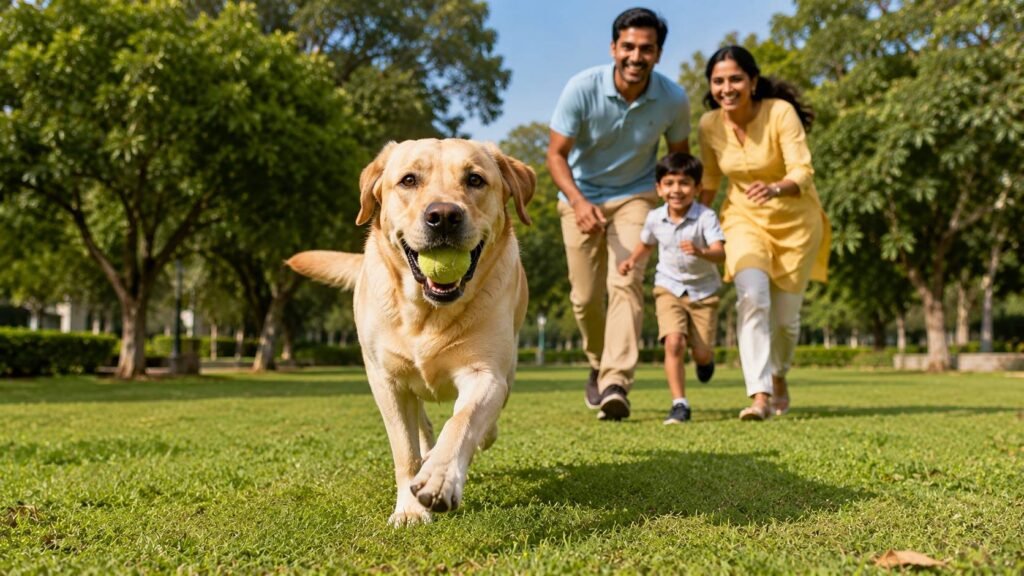
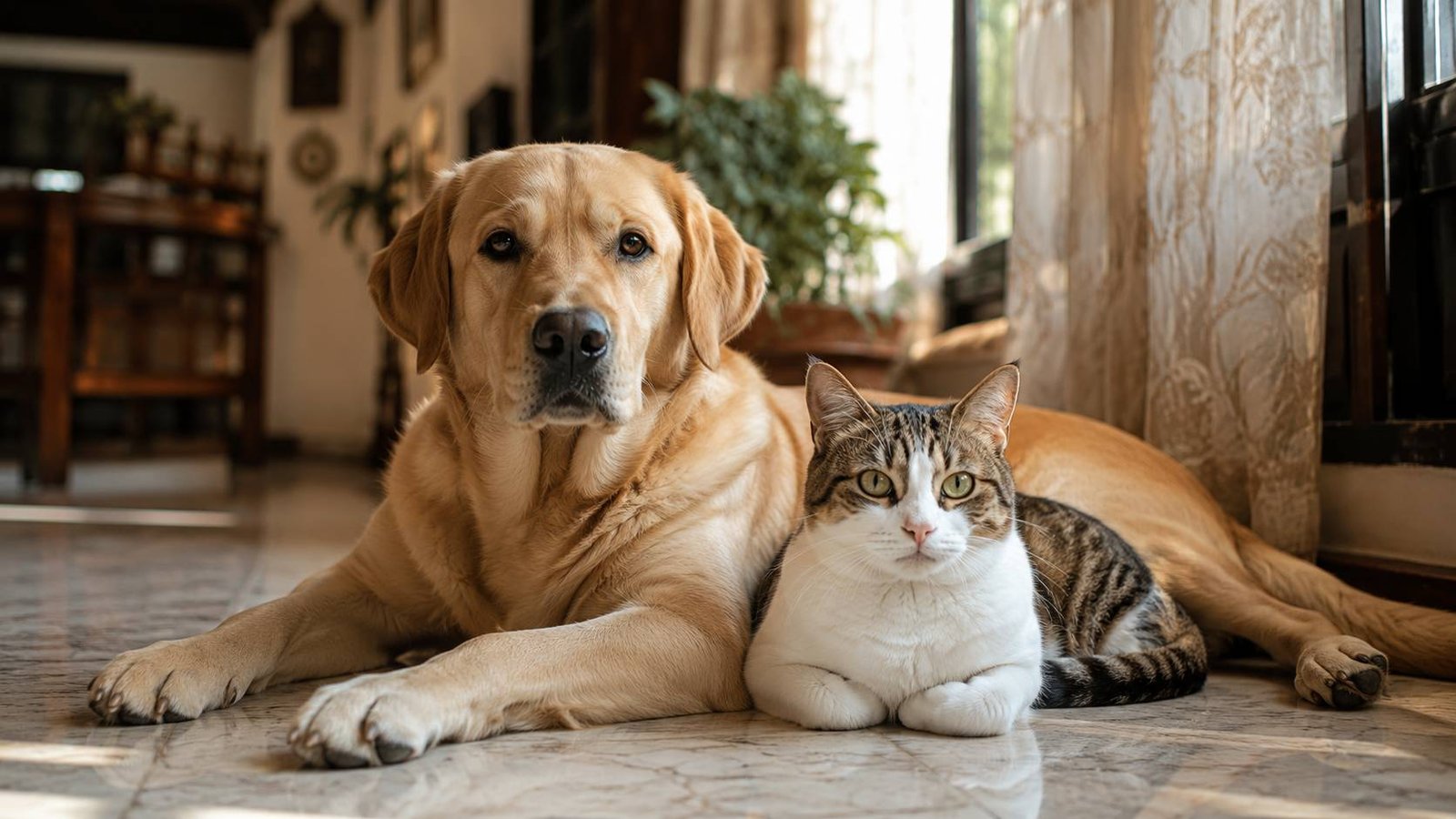
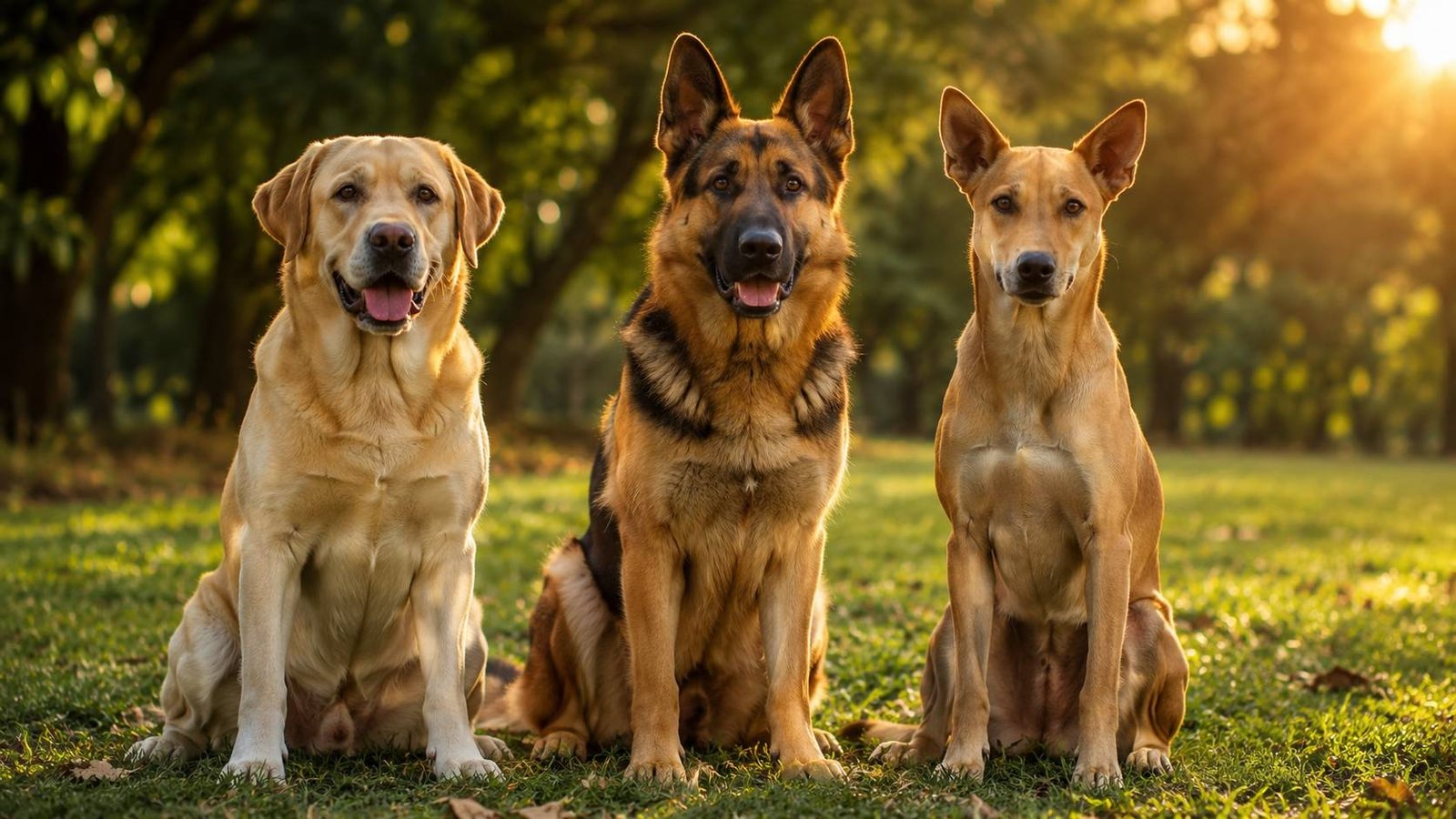
If dog popularity were a cricket scoreboard, the Labrador would be Sachin Tendulkar. The Labrador Retriever continues to reign supreme as India’s most popular dog breed. Their friendly and gentle nature, coupled with their intelligence and trainability, makes them ideal family dogs.
They adapt well to the Indian climate and are great companions for both adults and kids, with a life expectancy of 10–14 years.
Labs are used widely as service dogs, guide dogs, and even in the Indian Armed Forces. The one downside? They can become overweight because they have a seemingly endless appetite. Daily exercise and portion control are non-negotiable with this breed.
Best for: Families, first-time owners, apartment dwellers with regular walking routines.
2. German Shepherd — The Loyal Protector
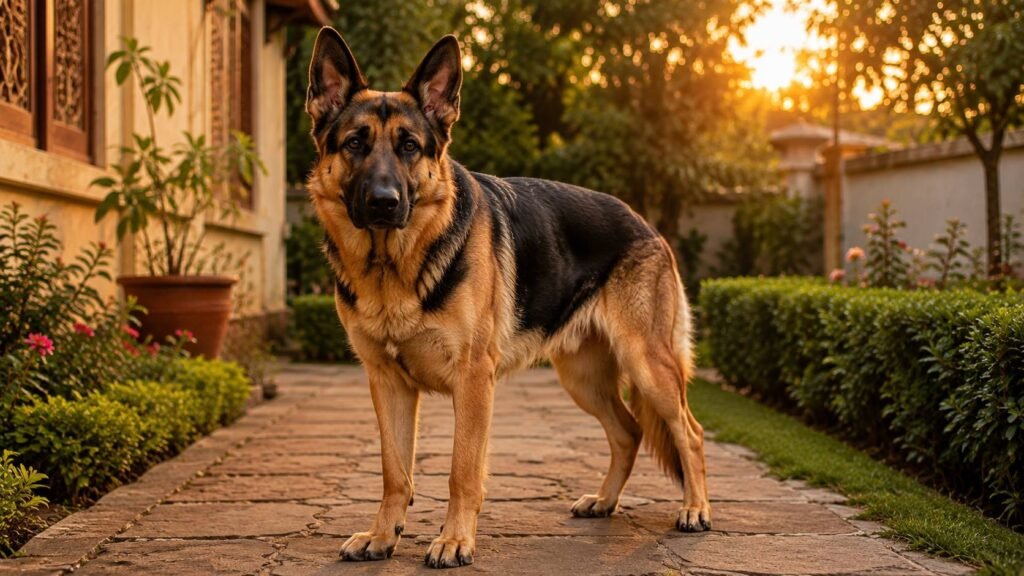
German Shepherds take the crown in preference surveys, winning nearly 30% of the preference share, thanks to their unmatched loyalty, intelligence, and versatility.
The German Shepherd is very intelligent and, although it will get on well with all family members and is not an aggressive dog when well trained, is widely used as a guard dog, police dog, and armed forces dog.
They do need regular grooming and consistent exercise. If you live in a small flat with no outdoor access, a German Shepherd is probably not the best idea. They need space to move and a mind to keep busy.
Best for: Active owners, homes with a yard, people who want a guard dog with genuine training ability.
3. Golden Retriever — The Sunshine Dog
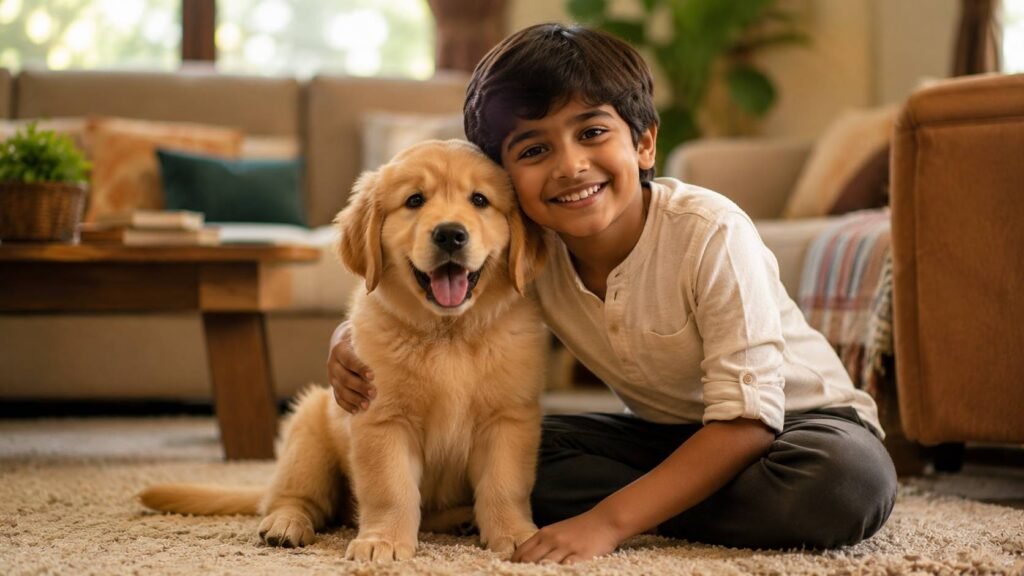
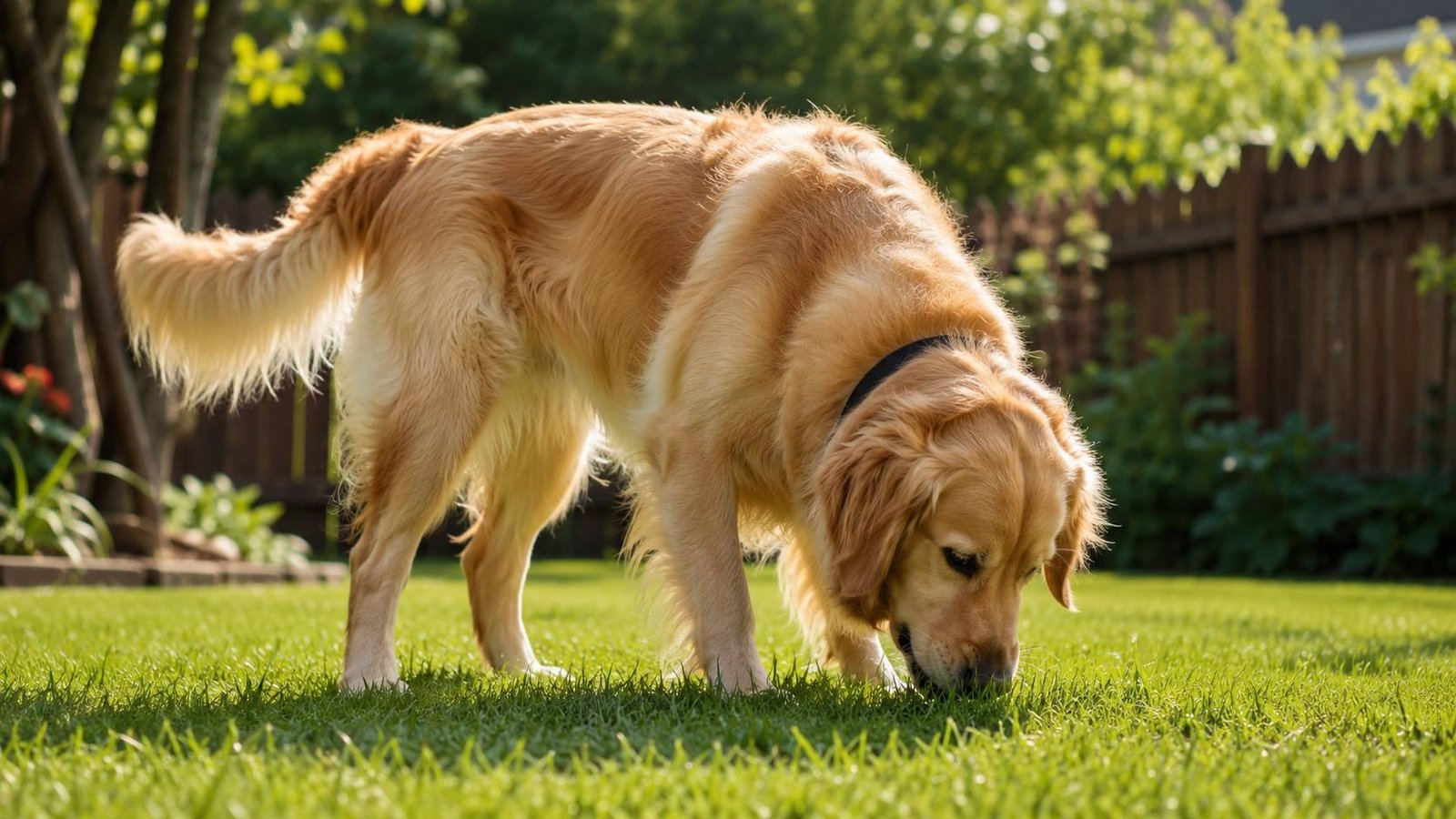
Golden Retrievers are what happens when someone asks, “Can we make a dog that’s universally loved?” They are renowned for their intellect, kindness, and loyalty, and are a popular choice for assistance dogs and wonderful family pets.
Golden Retrievers tend to be a little less energetic than the Labrador, which is renowned for being puppy-like throughout its life. They’re gentle, they’re social, and they’re brilliant with children.
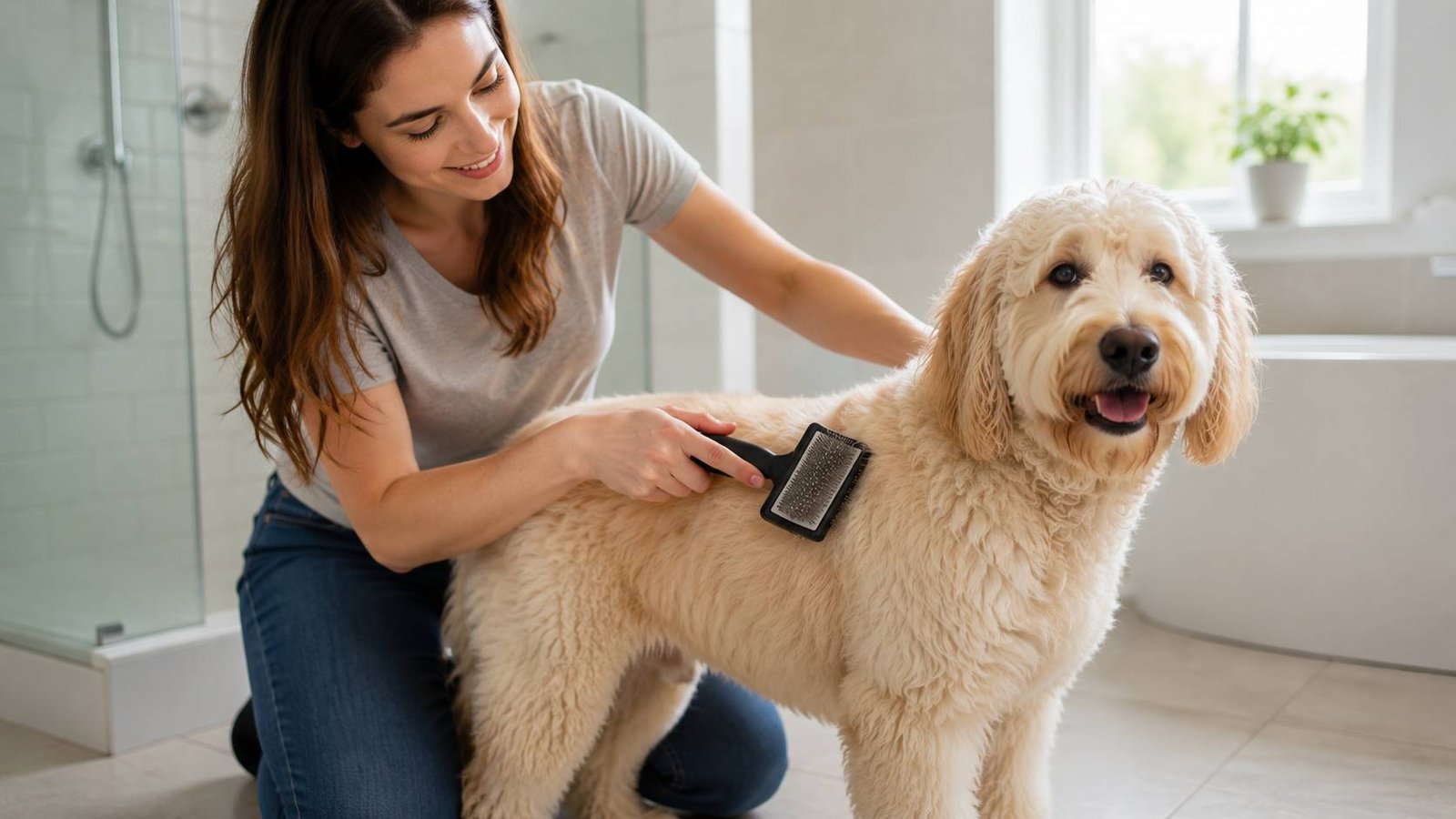
One thing to know: their thick coats need regular grooming, and they can find extreme Indian summers tough. If you live in hotter regions, make sure they have shade, cool water, and possibly air-conditioning indoors.
Best for: Families with kids, multi-pet households, first-time owners who can commit to grooming.
4. Beagle — Small Body, Big Personality
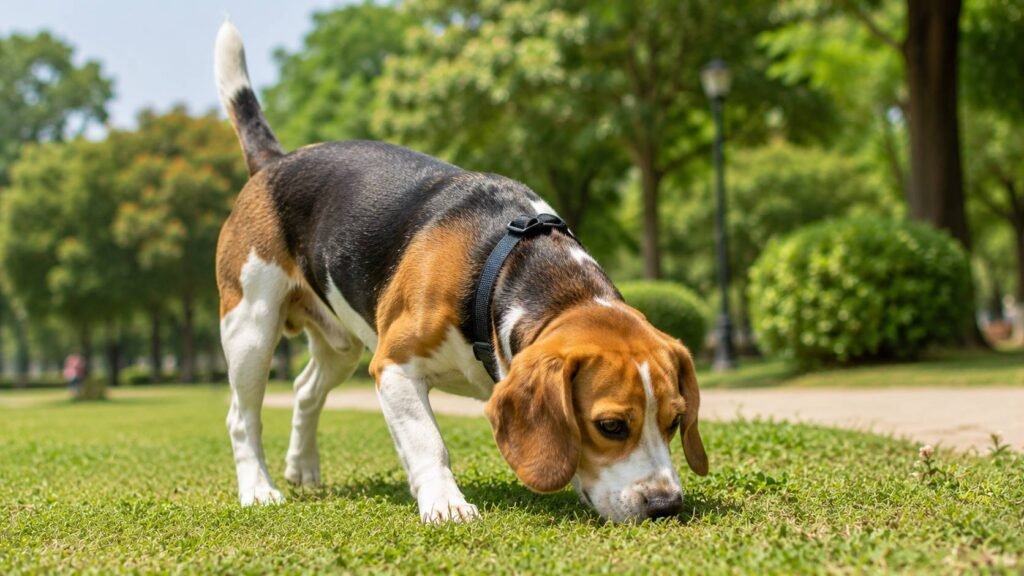
Don’t let the size fool you. The Beagle is a hound dog with an excellent sense of smell that was bred to hunt small game. They enjoy walks and playtime and are good dogs for taking part in canine sports.
Their short coats make them an excellent match for the Indian climate, so you can engage in outdoor activities with them without worry.
The catch with Beagles is their nose — it basically has its own agenda. Keep them on a leash outdoors, or they’ll follow a scent trail straight off your property and into the neighbour’s garden.
Best for: Apartments, active families, people who enjoy outdoor time with their pets.
5. Pug — The Little Dog with the Big Fan Club
The Pug is an ancient dog breed with a regal history, having been bred as a companion to members of the Chinese royal family and elite classes. In India, its popularity got a massive boost from a famous telecom advertisement, and the love hasn’t faded since.
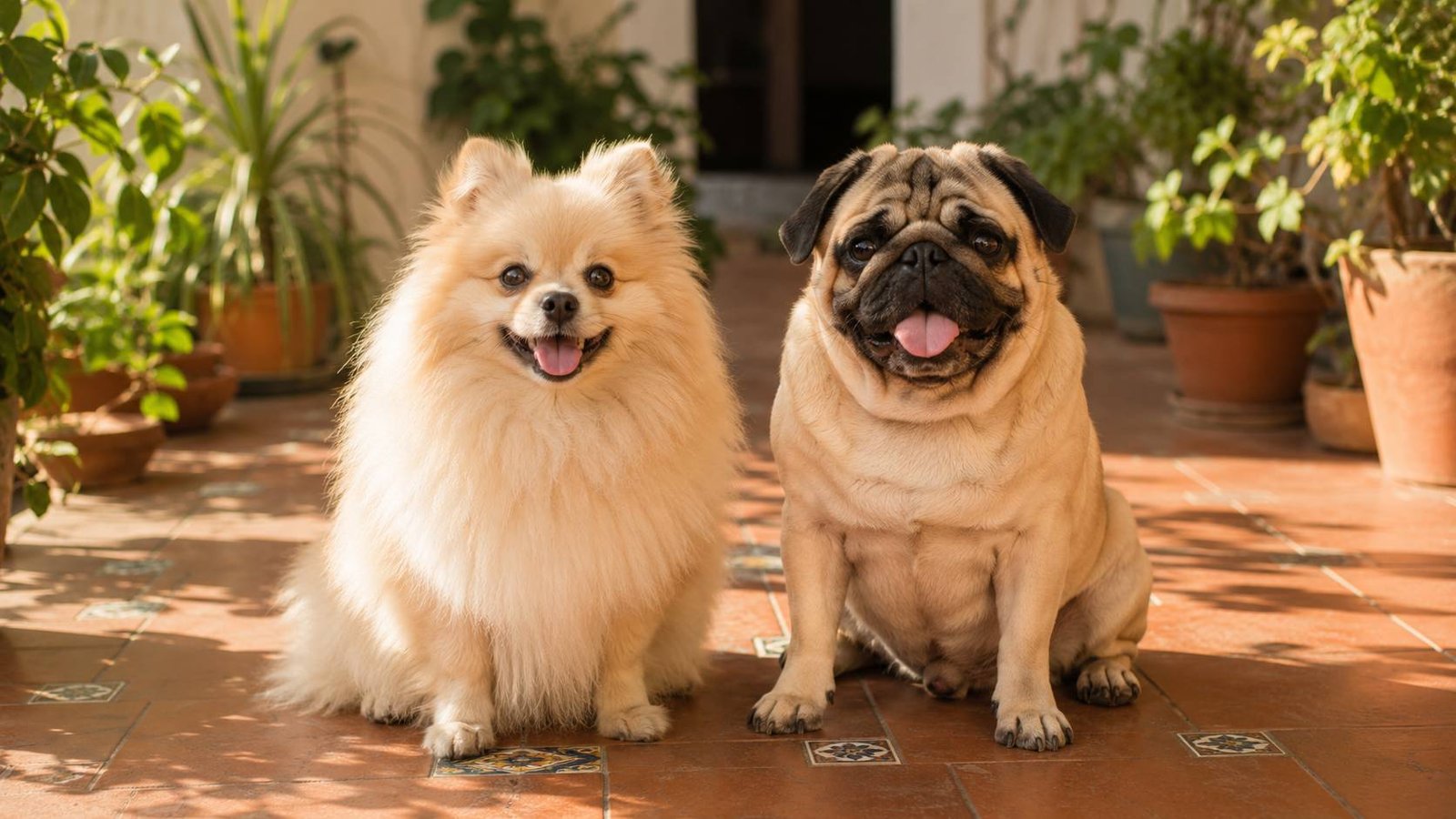
Pugs are compact, affectionate, and friendly dogs that are well-suited for apartment living in India. Their low energy levels make them less demanding in terms of exercise.
However, Pugs are a brachycephalic breed — meaning their flat faces can cause breathing difficulties, especially in high heat and humidity. Regular vet checkups are important with this breed.
Best for: Urban apartments, seniors, people looking for a laid-back companion.
6. Shih Tzu — The Tiny Lion
‘Shih Tzu’ means ‘Little Lion’ and is related to the Tibetan Buddhist God of Learning. Their easily manageable size makes them suitable for apartments and smaller living spaces.
Shih Tzus are great indoor pets with affectionate personalities, ideal for small apartments and seniors. They do need daily grooming because of that beautiful long coat — but if you enjoy that kind of bonding ritual with your dog, it’s actually a wonderful routine.
Best for: Small homes, seniors, owners who enjoy grooming and close companionship.
Indian Native Dog Breeds You Should Know
Here’s where things get genuinely interesting — and a little emotional, if we’re honest.
India has a rich history of native dog breeds shaped by centuries of terrain, climate, and culture. Many of these breeds served royalty, fought in wars, and guarded villages. And most of them are critically endangered today, overshadowed by imported breeds.
In the 18th century, there are records of about 50 different dog breeds being recognized in the Indian subcontinent. Most people today couldn’t name five.
Let’s change that.
7. Indian Pariah Dog (INDog) — The Original Indian Dog
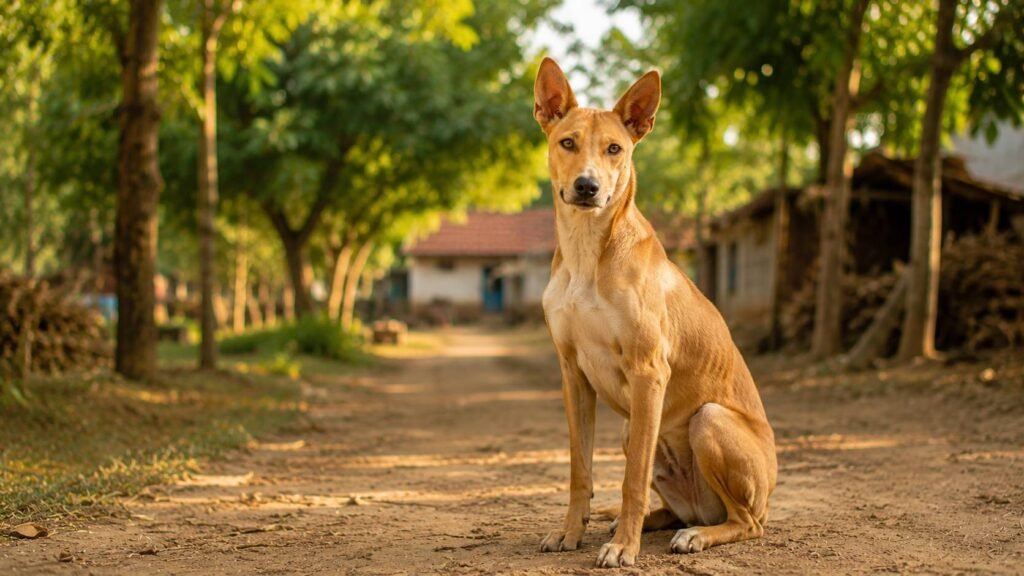
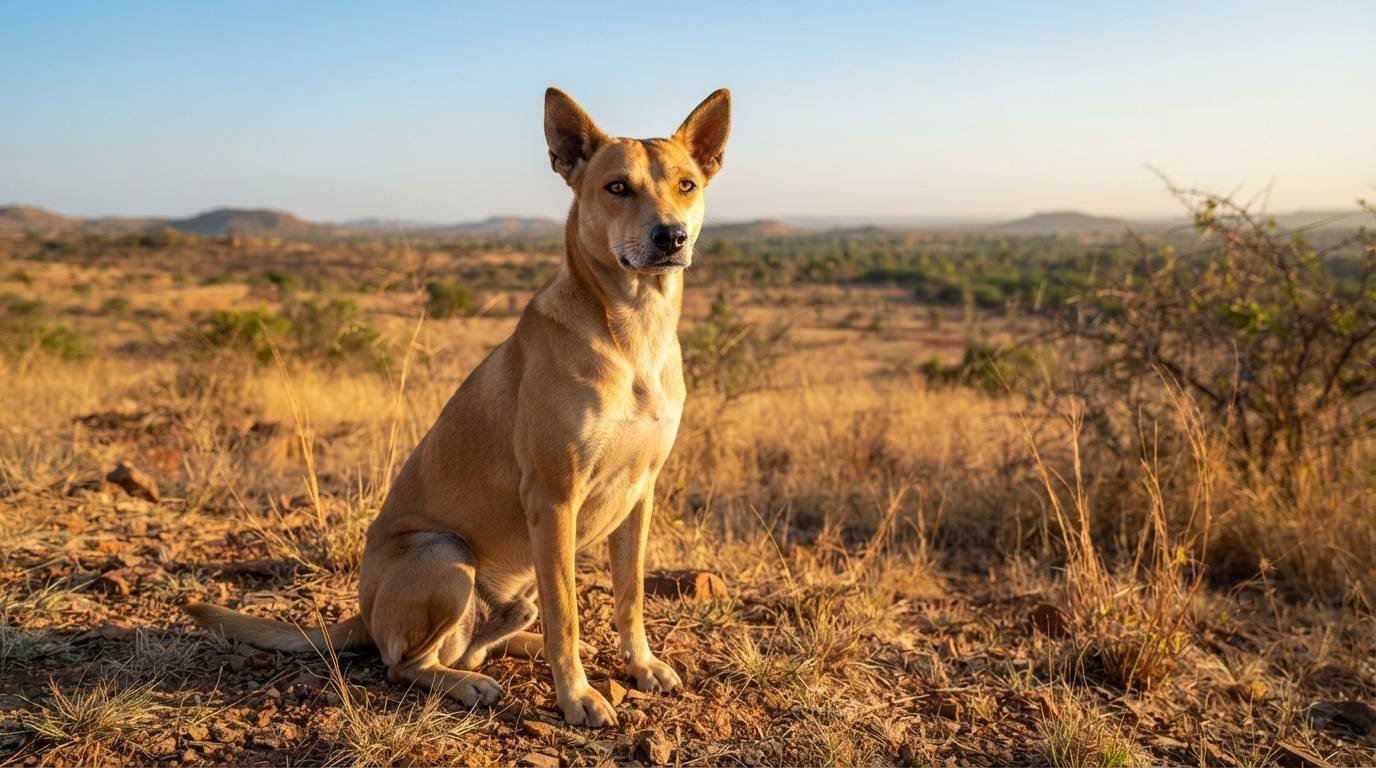
The Indian Pariah Dog, also known as the INDog, has evolved over thousands of years to perfectly adapt to India’s diverse weather conditions. This is perhaps the most underrated dog in the country.
Hardiness, intelligence, and territorial nature are all genetically part of the INDog’s makeup, which develops with a loving home into loyal, loving, and protective members of a family.
They’re naturally immune to many local diseases, require minimal grooming, and are incredibly easy to care for. The best part? Most Indian Pariah Dogs can be adopted from shelters or rescue organisations for free or at very low cost.
Best for: All Indian households, especially those looking for a low-maintenance, climate-adapted companion.
8. Rajapalayam — India’s Royal Ghost Hound
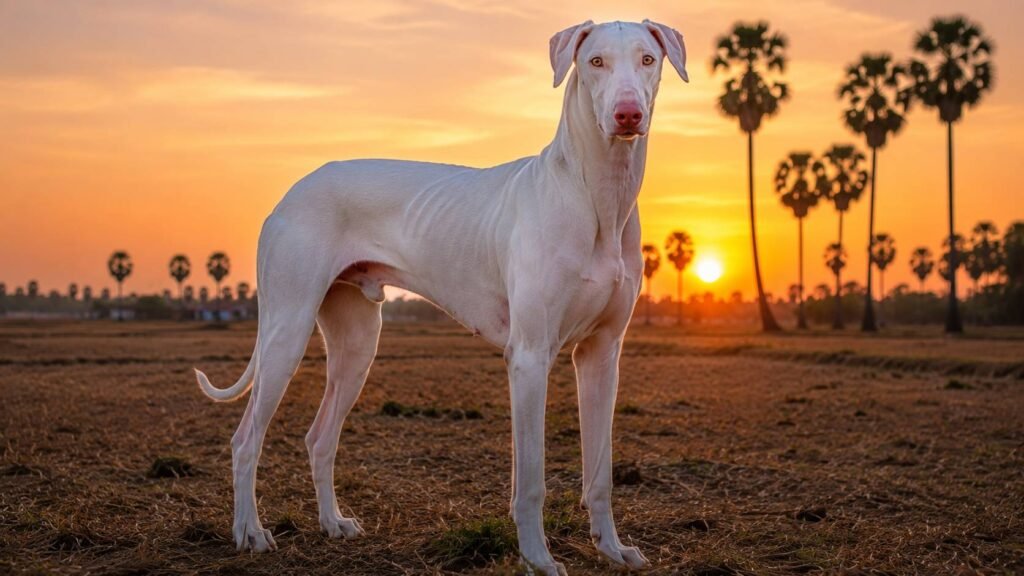
The Rajapalayam, a stately white hound with a rose-tinted nose and piercing golden eyes, was a warrior’s companion during the Carnatic and Polygar wars.
The Rajapalayam Hound is also known as the Polygar Hound or Indian Ghost Hound. Four commemorative postage stamps were issued on 9 January 2005 by India Post in their honour.
The Indian Army in Kashmir had Rajapalayams as guard dogs, and their deployment continues in various security roles across India.
This is not a beginner’s dog. They form fierce single-person bonds and need open space. But for those who understand them, owning a Rajapalayam isn’t just about companionship — it’s an act of revival, a way to honour India’s native lineage.
Best for: Experienced owners, homes with open space, guard dog needs.
9. Mudhol Hound — The Maratha King’s Dog
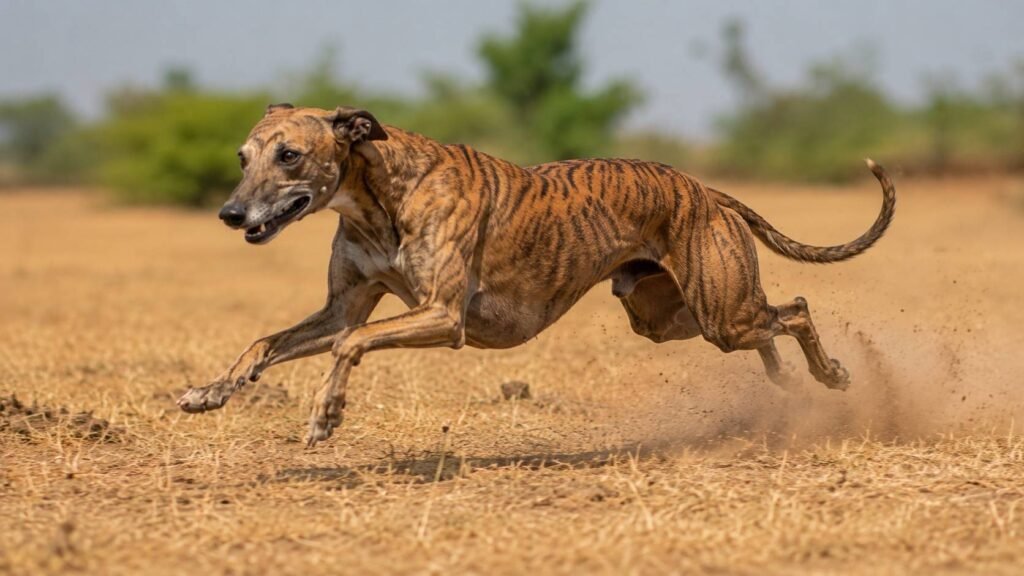
The Mudhol Hound, also known as the Maratha Hound, the Pashmi Hound, and the Kathewar Dog, is found in parts of Karnataka and Maharashtra.
The Mudhol Hound is named after an erstwhile princely state Mudhon, once a part of Bombay Presidency in British India. This dog is said to have been bred by the 17th-century Maratha king, Chhatrapati Shivaji, to be used in his army.
Mudhol Hound dogs have been trained and inducted into the dog squad of the Indian Army, CISF, and NSG. That’s not a brand ambassador deal — that’s a genuine endorsement of capability.
Best for: Active rural households, experienced owners, guard and hunting purposes.
10. Kombai — The Warrior of the Western Ghats
The Kombai, muscular and fearless, was cherished by zamindars of Tamil Nadu and even made its way into the ranks of Tipu Sultan’s army.
The CRPF recruited Kombai dogs for their Dog Breeding and Training School — a clear sign that this breed’s working instincts are very much alive.
Kombais are not city dogs. They need space, firm training, and owners who understand working breeds. But they are deeply loyal, nearly fearless, and an important part of India’s canine heritage.
Best for: Experienced owners, large open spaces, those interested in preserving native breeds.
How to Choose the Right Dog Breed in India
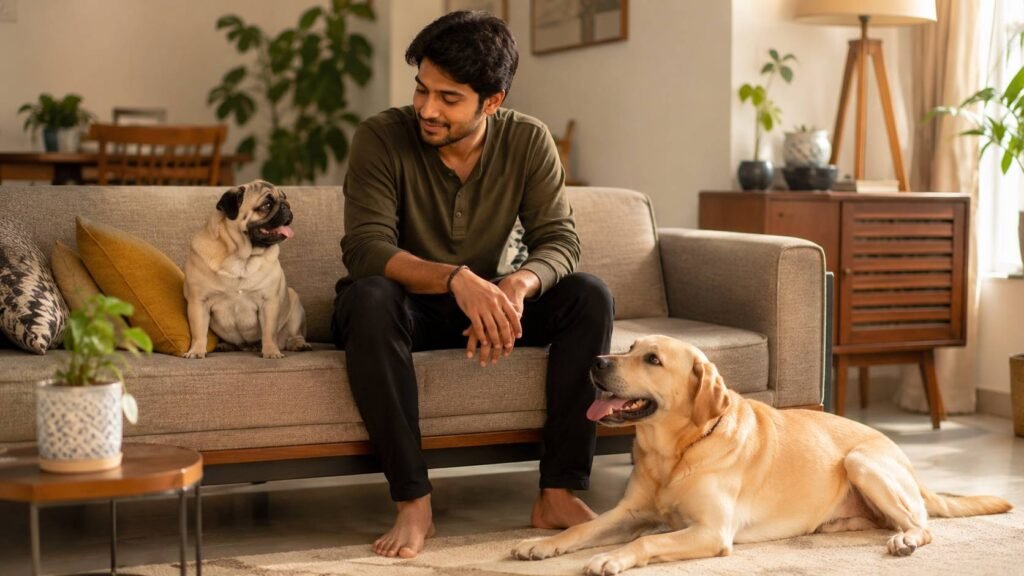
A few honest questions to ask yourself before bringing a dog home:
How much space do you have? Larger, active breeds like German Shepherds and Mudhol Hounds need room to move. Pugs and Shih Tzus are perfectly happy in smaller apartments.
What’s your climate like? Native breeds are naturally suited to most Indian conditions. Thick-coated foreign breeds may struggle in high humidity and heat.
How much time can you give? All dogs need attention — but high-energy breeds like Beagles and German Shepherds need structured daily exercise and mental stimulation.
Are you a first-time owner? Start with a Labrador, Golden Retriever, or an INDog. They’re forgiving, trainable, and social. Save the Mudhol Hound or Kombai for after you’ve learned the ropes.
A Note on Adoption
Responsible dog ownership includes providing proper nutrition, exercise, healthcare, and training, regardless of breed.
India has thousands of dogs in shelters waiting for homes. Native Indian breeds, in particular, deserve far more love than they currently receive. States like Tamil Nadu have launched institutional support for native breed conservation, with the Animal Husbandry Department creating an online portal to sell native breeds transparently, curbing illegal trade and ensuring pedigree authentication.
If you’re considering a dog, please also consider adoption. You might just find your perfect match already waiting for you.
Final Thoughts
India’s dog culture is rich, diverse, and growing fast. India’s love for dogs has grown exponentially in recent years, with more and more families welcoming these furry companions into their homes.
From the ever-popular Labrador to the battle-hardened Kombai, every dog on this list brings something unique to the table. The best dog for you isn’t necessarily the most popular one — it’s the one that fits your life.
Do your research, talk to a vet, and if possible, spend time with a breed before committing. A dog is a 10–15 year commitment. Make it a good one.