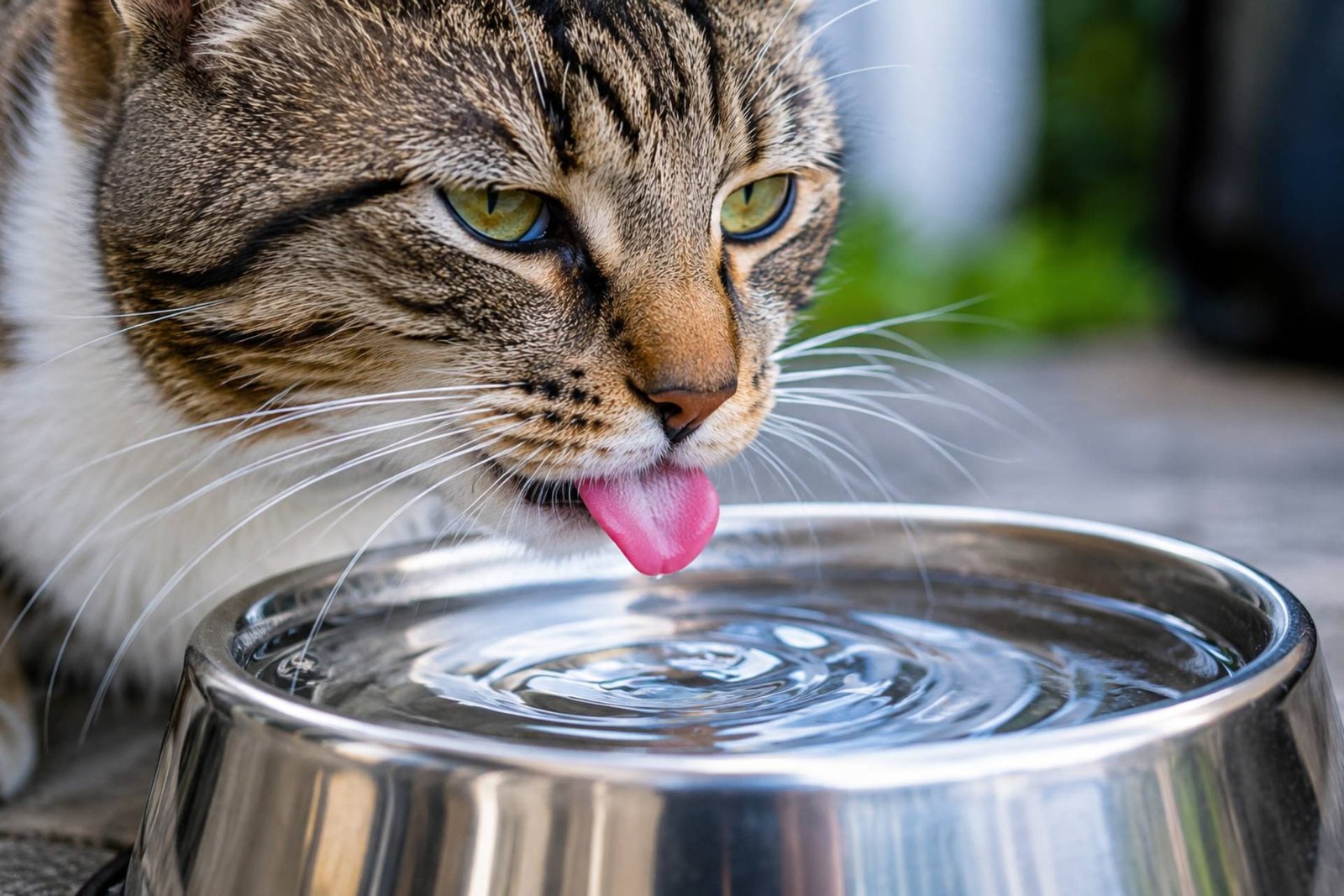
If your cat suddenly stops eating but continues to drink water, it’s natural to feel worried. Cats are known for being picky eaters, but refusing food entirely is different from simply turning their nose up at dinner.
A cat that is drinking water but avoiding food may be dealing with anything from mild stress to a serious health condition. The good news is that drinking water often means your cat is still trying to stay hydrated. However, loss of appetite should never be ignored, especially if it lasts longer than 24 hours.
In this guide, we’ll explain the most common reasons a cat not eating but drinking water situation happens, when you should contact a veterinarian, and what you can do at home to help.
Is It Normal for a Cat to Stop Eating but Still Drink Water?
Sometimes, yes.
Cats may skip a meal because of stress, a recent food change, or a mild stomach upset. In these situations, many cats continue drinking water normally.
However, if your cat refuses food for more than a day, it becomes a concern. Unlike humans, cats do not tolerate prolonged fasting well. Going without food for too long can increase the risk of a serious liver condition called hepatic lipidosis, also known as fatty liver disease. Veterinary experts consider appetite loss in cats an important warning sign that should not be ignored.
Common Reasons Why Your Cat Is Not Eating But Drinking Water
1. Dental Problems and Mouth Pain
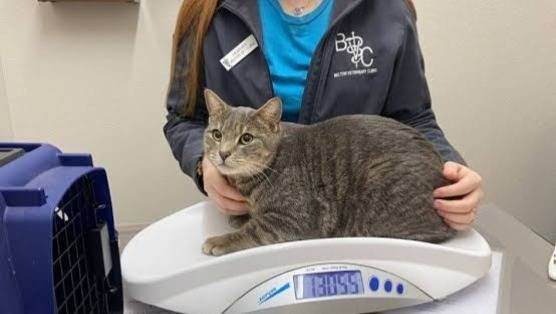
One of the most common causes is oral discomfort.
Your cat may feel thirsty and drink water without any problem, but chewing food can become painful. Dental disease, inflamed gums, broken teeth, or mouth infections can make eating uncomfortable.
Look for these signs:
- Bad breath
- Drooling
- Pawing at the mouth
- Bleeding gums
- Difficulty chewing
Many cats hide pain surprisingly well. A cat may act normal while silently avoiding food because every bite hurts.
2. Stress and Anxiety
Cats love routine. Even small changes can affect their appetite.
Common stress triggers include:
- Moving to a new home
- New pets
- New family members
- Loud noises
- Travel
- Changes in feeding location
Imagine someone moving your favorite coffee shop overnight. You would probably feel confused too.
Stress-related appetite loss is often temporary, but it still deserves attention if it lasts longer than 24 hours.
3. Upset Stomach or Nausea
Cats experiencing nausea often show interest in food but refuse to eat when it is offered.
Digestive issues that may cause nausea include:
- Hairballs
- Gastritis
- Mild stomach irritation
- Inflammatory bowel disease
- Pancreatitis
A nauseous cat may:
- Lick its lips frequently
- Smell food and walk away
- Drool more than usual
- Seem interested but refuse to eat
In many cases, water remains appealing while food does not.
4. Respiratory Infections
Cats rely heavily on their sense of smell when deciding whether food is worth eating.
When a cat develops an upper respiratory infection, a blocked nose can make food seem less appealing. If they cannot smell it, they may not want it.
Signs include:
- Sneezing
- Runny nose
- Watery eyes
- Congestion
This is similar to how food tastes bland when humans have a bad cold.
5. Kidney Disease
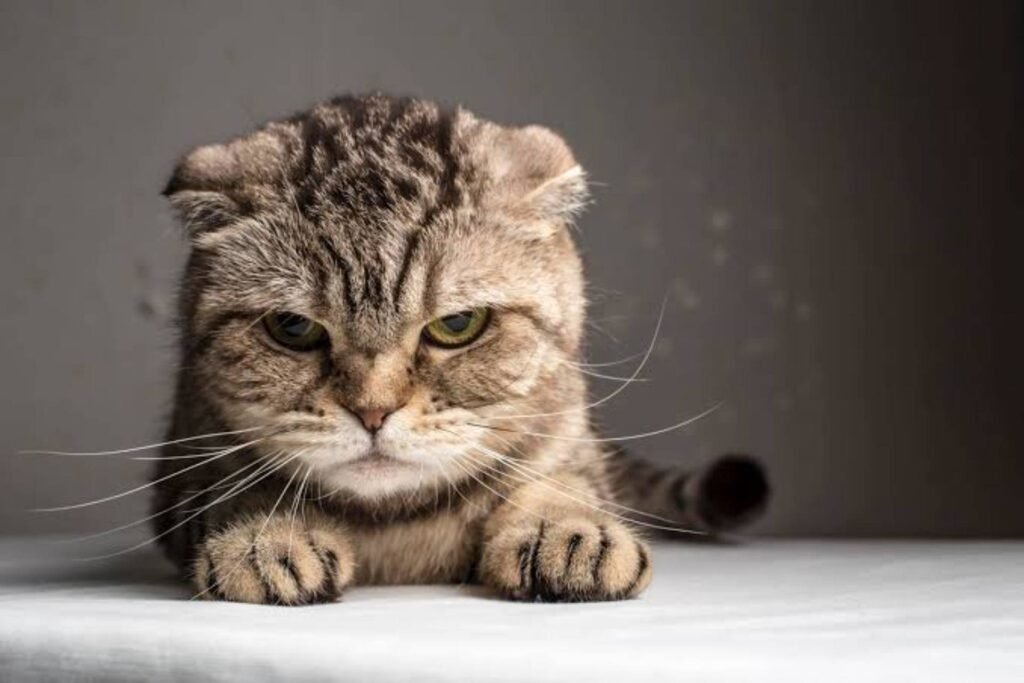
If your cat is drinking more water than usual while eating less, kidney disease may be a possibility.
Kidney disease is especially common in older cats. Early symptoms often include:
- Increased thirst
- Increased urination
- Reduced appetite
- Weight loss
- Fatigue
Because kidney disease develops gradually, many owners miss the early signs. Veterinary evaluation is important if you notice these changes.
6. Food Changes or Picky Eating
Cats can be surprisingly opinionated about food.
A sudden change in flavor, texture, or brand may lead to a temporary food strike.
Some cats prefer:
- Wet food over dry food
- Certain textures
- Specific flavors
- Particular feeding bowls
Before assuming a serious illness, consider whether anything about your cat’s food routine has recently changed.
7. Underlying Medical Conditions
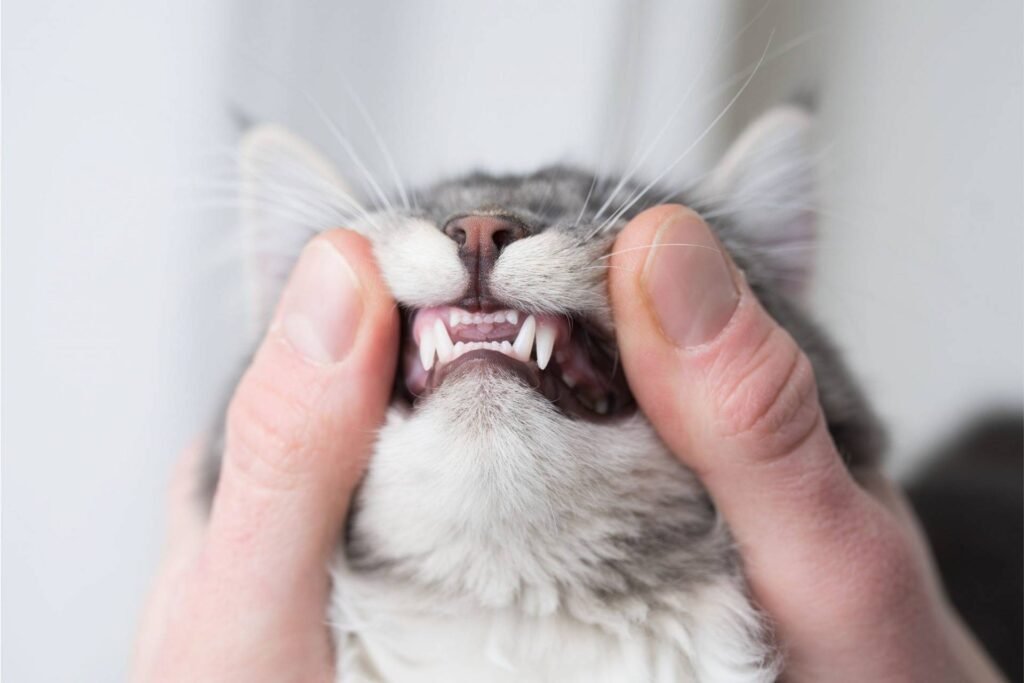
Several health conditions can reduce appetite while allowing a cat to continue drinking water.
Examples include:
- Liver disease
- Diabetes
- Cancer
- Heart disease
- Gastrointestinal disorders
Appetite loss is often one of the earliest signs that something is wrong. Since cats naturally hide illness, changes in eating habits deserve attention.
How Long Can a Cat Go Without Eating?
Veterinarians generally recommend seeking advice if your cat has not eaten for 24 hours.
Cats are not built to fast for long periods. Even a few days without adequate calories can lead to fatty liver disease, which may become life-threatening if left untreated.
Kittens, senior cats, and cats with existing health problems need even faster attention.
What Can You Do at Home?
If your cat appears otherwise healthy and the appetite loss is recent, you can try a few safe strategies.
Warm the Food
Warming wet food slightly can increase its aroma and make it more appealing.
Since cats rely heavily on smell, stronger aromas may encourage eating.
Offer Wet Food
Wet food often has a stronger scent and softer texture than dry kibble.
Many cats find it easier and more appealing, especially if they have dental discomfort.
Reduce Stress
Provide a calm feeding environment.
Keep food bowls away from noisy areas, other pets, and heavy household activity.
Keep Fresh Water Available
Hydration remains important even if your cat is not eating.
Ensure clean water is always accessible.
Monitor Symptoms Closely
Pay attention to:
- Vomiting
- Diarrhea
- Weight loss
- Lethargy
- Increased thirst
- Breathing problems
These signs can help your veterinarian identify the underlying cause more quickly.
When Should You Call a Veterinarian?
Contact your veterinarian immediately if:
- Your cat has not eaten for more than 24 hours
- Your cat is vomiting repeatedly
- You notice significant weight loss
- Your cat becomes weak or lethargic
- Breathing seems difficult
- Your cat drinks excessively
- There are signs of pain
Early treatment often leads to better outcomes and can prevent complications.
Frequently Asked Questions
Why is my cat not eating but drinking water and acting normal?
Cats are experts at hiding illness. Even if your cat seems normal, appetite loss can still indicate an underlying problem. Stress, food changes, dental pain, or early disease may all be responsible.
Should I force-feed my cat?
No.
Veterinary professionals generally advise against force-feeding without guidance because it can create food aversion and increase stress.
Can stress cause a cat to stop eating?
Yes.
Cats are sensitive to environmental changes, and stress is a well-documented cause of temporary appetite loss.
Final Thoughts
If your cat not eating but drinking water situation lasts only a few hours, the cause may be minor. However, if your cat refuses food for more than 24 hours, it’s time to take action.
Dental problems, stress, nausea, respiratory infections, kidney disease, and other health conditions can all reduce appetite. Since cats often hide discomfort, changes in eating habits should always be taken seriously.
A healthy cat may occasionally skip a meal. A cat that continues refusing food is sending a message. The key is listening before that message becomes an emergency.