If your dog turns bedtime into a midnight concert, you’re not alone. Many new dog owners struggle with barking, whining, and restless nights during the first few weeks of training.
The good news? You can successfully crate train a dog at night with patience, consistency, and the right approach.
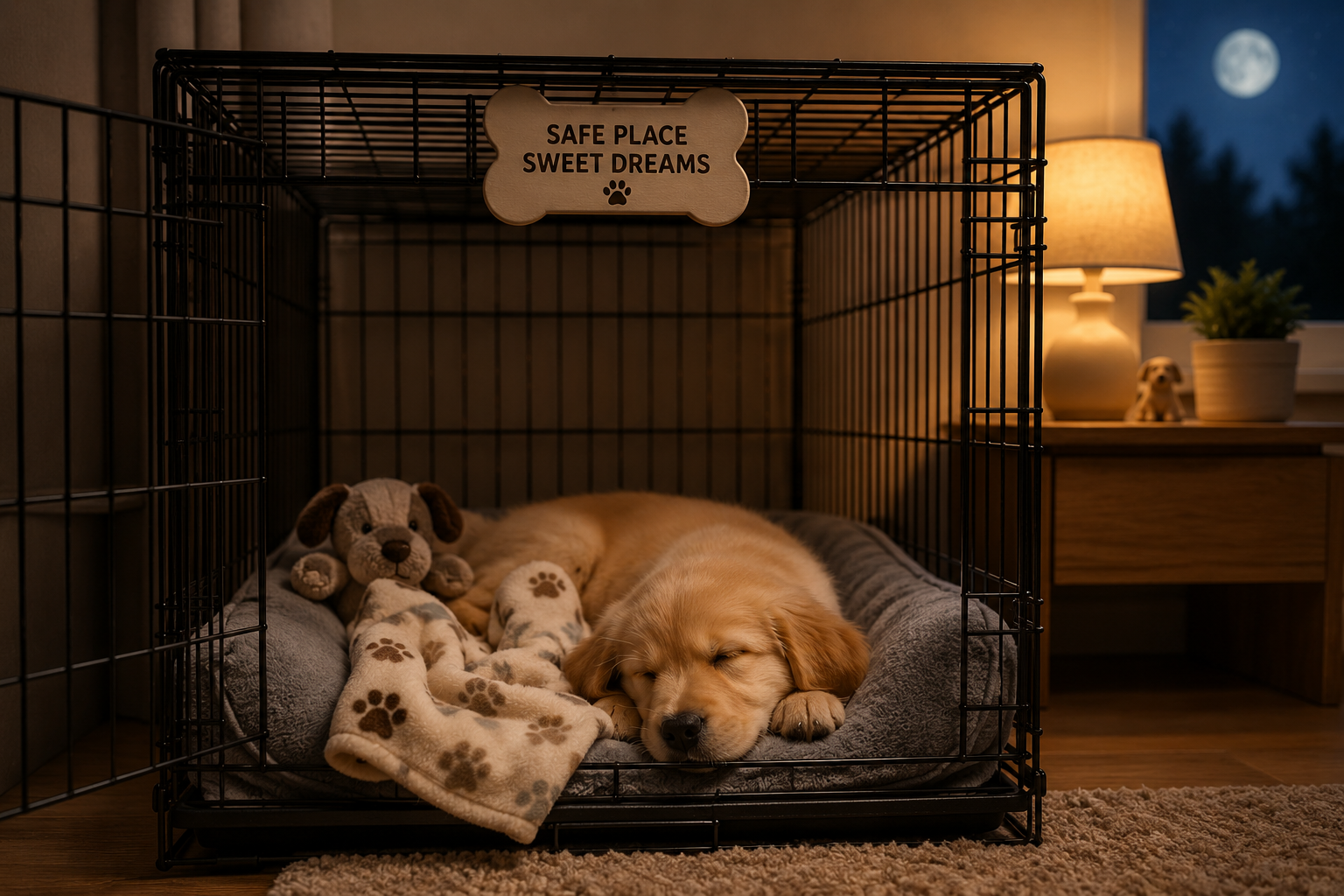
A crate can become your dog’s safe sleeping space rather than a place they fear. When used correctly, crate training helps dogs feel secure, supports house training, and creates a predictable bedtime routine.
In this guide, you’ll learn exactly how to crate train a dog at night, avoid common mistakes, and help your dog sleep comfortably through the night.
Why Crate Training at Night Works
Dogs naturally look for safe, enclosed spaces to rest. This instinct comes from their ancestors, who often slept in sheltered dens.
A properly introduced crate can provide that same feeling of security.
Nighttime crate training offers several benefits:
- Supports house training
- Prevents destructive behavior while you sleep
- Creates a consistent bedtime routine
- Gives your dog a safe place to relax
- Helps reduce anxiety when introduced correctly
Many professional trainers recommend crate training because it teaches structure without using punishment.
Choose the Right Crate Size
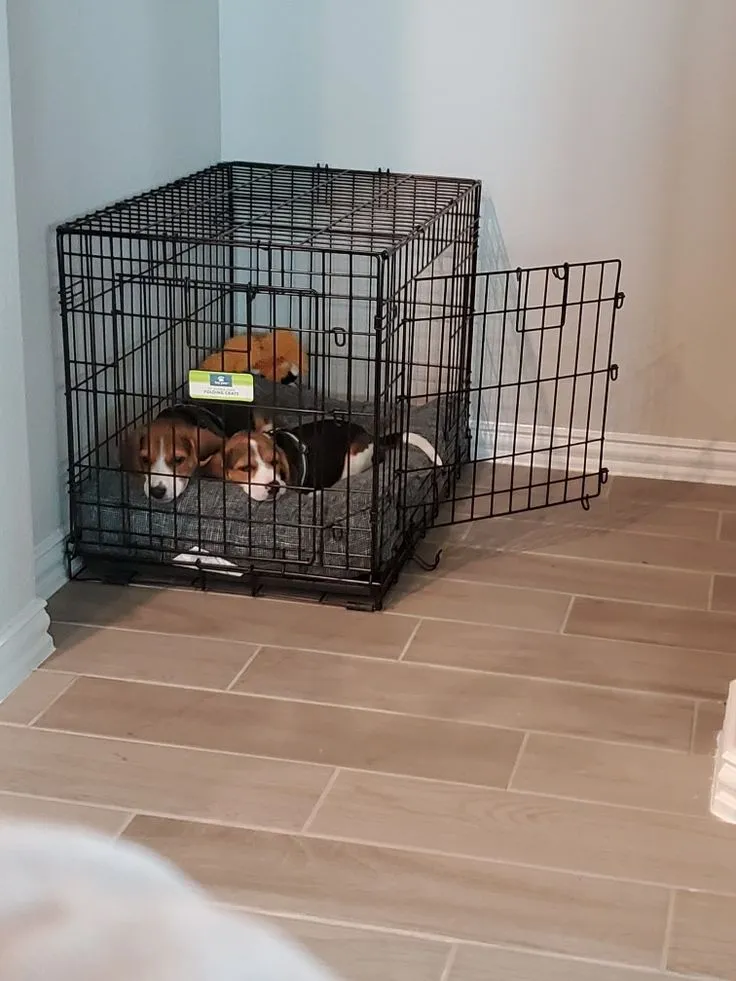
Before you crate train a dog at night, make sure the crate fits properly.
Your dog should be able to:
- Stand up comfortably
- Turn around easily
- Lie down in a natural position
Avoid choosing a crate that is too large.
A huge crate may encourage puppies to sleep on one side and use the other side as a bathroom. This can slow down house training progress.
If you have a growing puppy, consider a crate with a divider panel that allows you to adjust the space as they grow.
Make the Crate Comfortable

Your dog’s crate should feel inviting.
Add:
- A comfortable crate mat or bed
- Safe chew toys
- A favorite blanket
- A crate cover if your dog prefers a darker sleeping environment
Keep the setup simple.
Avoid filling the crate with too many items, especially if your puppy likes to chew everything in sight.
Think of the crate as a cozy bedroom, not a storage closet.
Introduce the Crate Before Bedtime

One of the biggest mistakes owners make is placing a dog inside the crate at night without any preparation.
Instead, create positive experiences during the day.
Try these steps:
- Leave the crate door open.
- Toss treats inside.
- Allow your dog to enter voluntarily.
- Feed meals near or inside the crate.
- Reward calm behavior around the crate.
The goal is simple: help your dog associate the crate with good things.
When your dog willingly enters the crate during the day, nighttime training becomes much easier.
Create a Consistent Evening Routine
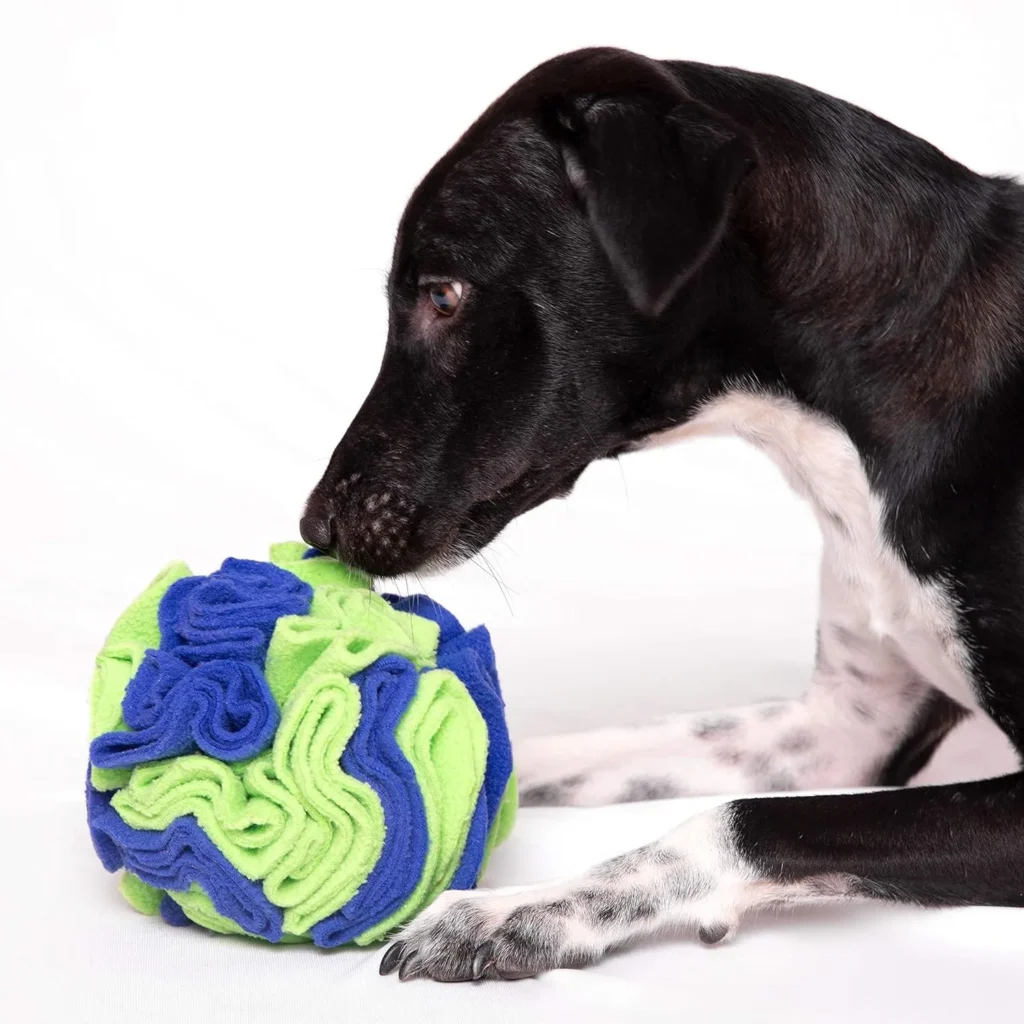
Dogs thrive on routines.
A predictable schedule tells your dog when it’s time to relax and sleep.
A typical evening routine might include:
Exercise Session
Give your dog physical activity before bedtime.
A walk, play session, or training game helps burn energy.
A tired dog usually sleeps better than a dog that spent the evening planning chaos.
Potty Break
Always take your dog outside right before bedtime.
This step reduces the chances of overnight accidents.
Calm Activities
Avoid exciting games during the last hour before sleep.
Choose calm interactions such as gentle petting, quiet training, or relaxation time.
Bedtime in the Crate
Guide your dog into the crate using treats or a favorite toy.
Stay calm and confident.
Your attitude influences your dog’s response.
Where Should the Crate Be at Night?

For puppies and newly adopted dogs, place the crate in your bedroom or close to where you sleep.
This setup offers several advantages:
- Your dog feels less isolated
- You can hear if your puppy needs a bathroom break
- Anxiety levels often decrease
Many dogs settle faster when they know their owners are nearby.
As your dog becomes comfortable, you can gradually move the crate to its permanent location if desired.
How to Handle Whining at Night

Whining is one of the most common challenges during crate training.
The key is understanding why it happens.
When Whining Is Normal
Some whining is expected during the first few nights.
Your dog is adjusting to a new environment and routine.
If basic needs are met, avoid immediately opening the crate every time your dog makes noise.
Otherwise, your dog may learn that whining opens doors.
When Whining Means Something Else
Check for possible causes:
- Need for a potty break
- Hunger
- Discomfort
- Illness
- Anxiety
If you suspect your puppy needs to relieve themselves, calmly take them outside.
Keep the trip boring.
No playtime. No exciting conversations.
Just a quick bathroom break and back to bed.
How Long Does It Take to Crate Train a Dog at Night?
Every dog learns at a different pace.
Some dogs adapt within a few days.
Others may need several weeks.
Factors that affect training speed include:
- Age
- Previous experiences
- Temperament
- Consistency of training
Most puppies begin showing noticeable improvement within a few weeks when owners follow a consistent routine.
The important thing is to focus on progress rather than perfection.
Common Crate Training Mistakes
Avoid these mistakes if you want faster results.
Using the Crate as Punishment
Never send your dog to the crate because you’re angry.
The crate should remain a positive space.
Moving Too Fast
Some owners expect immediate success.
Dogs need time to build positive associations.
Ignoring Exercise Needs
An energetic dog often struggles to settle at night.
Daily physical and mental stimulation matter.
Inconsistent Rules
Allowing different bedtime routines every night creates confusion.
Consistency helps dogs understand expectations.
Leaving Puppies Too Long
Young puppies cannot hold their bladder all night.
Plan for age-appropriate bathroom breaks.
Tips for Puppies During Nighttime Crate Training

Puppies require extra patience.
These tips can help:
- Feed dinner several hours before bedtime
- Limit water shortly before sleep if recommended by your veterinarian
- Use a consistent potty schedule
- Reward calm crate behavior
- Keep nighttime interactions quiet
Many puppy owners worry that occasional whining means failure.
It doesn’t.
Learning takes time.
Every peaceful night is a step forward.
Signs Your Dog Is Adjusting Well
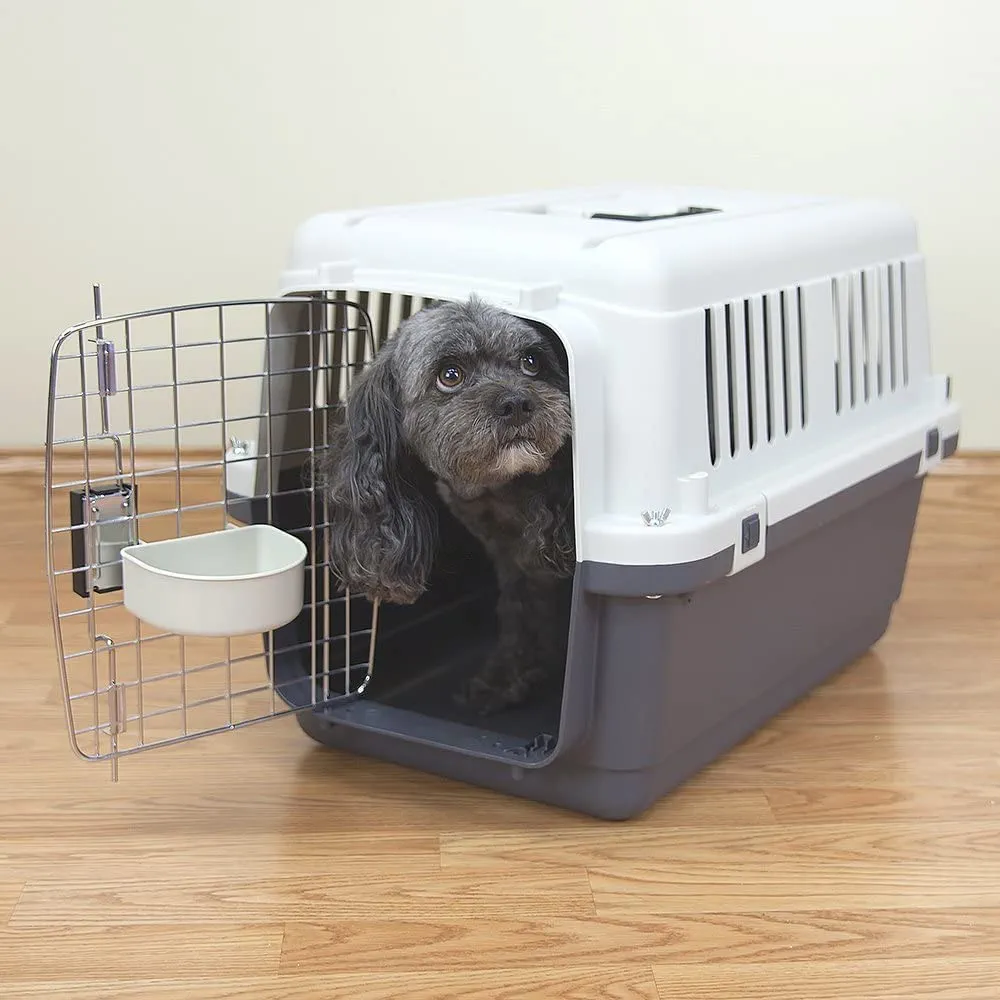
You will know training is working when your dog:
- Enters the crate willingly
- Settles quickly at bedtime
- Sleeps longer without interruptions
- Appears relaxed inside the crate
- Shows fewer signs of anxiety
These improvements often happen gradually.
Celebrate small wins along the way.
When to Seek Professional Help
If your dog shows severe distress, panic, self-injury, or extreme anxiety around the crate, consult a veterinarian or certified dog trainer.
Some dogs struggle with separation-related issues that require a customized training plan.
Professional guidance can prevent long-term behavioral problems.
Final Thoughts
Learning how to crate train a dog at night requires patience, consistency, and realistic expectations.
Start by creating positive crate experiences during the day. Establish a predictable bedtime routine, provide enough exercise, and make the crate a comfortable place to rest.
Most importantly, remember that successful crate training is not about forcing your dog into a crate. It’s about teaching them that the crate is a safe and relaxing space.
With time and consistency, your dog can learn to settle comfortably, sleep peacefully, and make nighttime much easier for everyone in the house.